William a. Evans – författare
Visar alla böcker från författaren William a. Evans. Handla med fri frakt och snabb leverans.
6 produkter
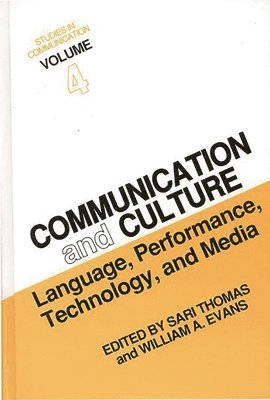
Studies in Communication, Volume 4
Communication and Culture: Language, Performance, Technology, and Media
Av Sari Thomas, William A. Evans
Inbunden, 1990
1070 kr
Lägg i varukorg
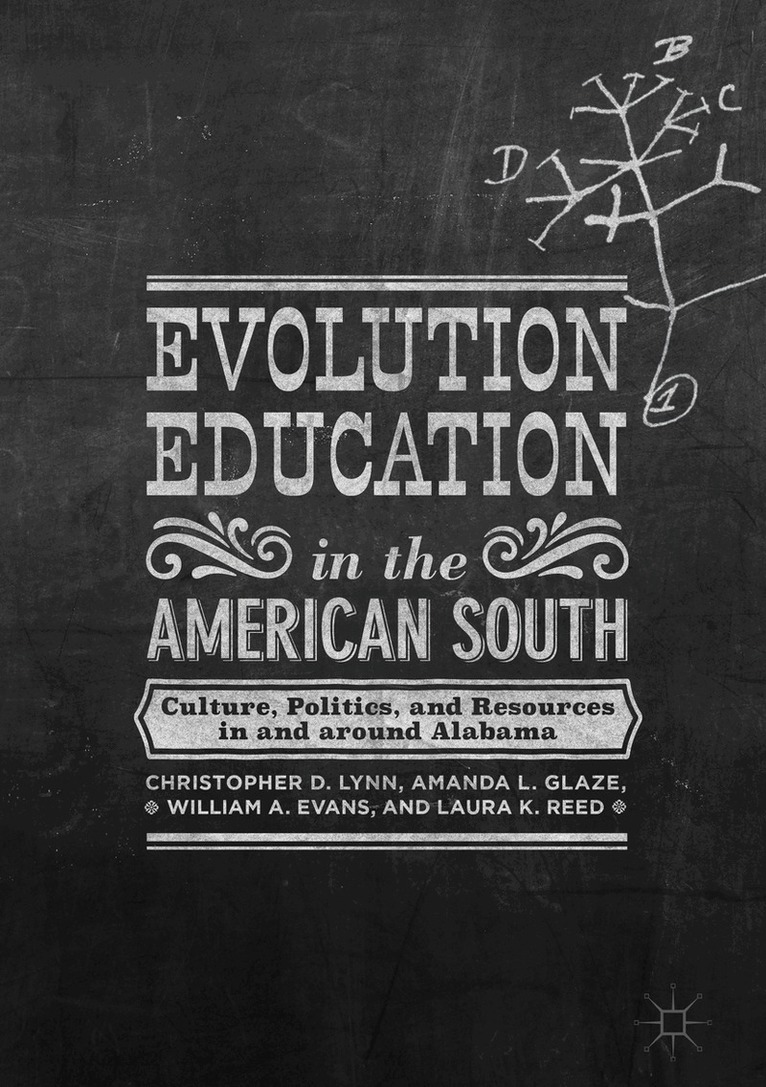
Evolution Education in the American South
Culture, Politics, and Resources in and around Alabama
Av Christopher D. Lynn, Amanda L. Glaze m. fl.
Inbunden, 2017
1204 kr
Lägg i varukorg
This volume reaches beyond the controversy surrounding the teaching and learning of evolution in the United States, specifically in regard to the culture, politics, and beliefs found in the Southeast. The editors argue that despite a deep history of conflict in the region surrounding evolution, …
Evolution Education in the American South
Culture, Politics, and Resources in and around Alabama
Av Laura K. Reed, William A. Evans m. fl.
E-bok, 2017
1638 kr
Lägg i varukorg
This volume reaches beyond the controversy surrounding the teaching and learning of evolution in the United States, specifically in regard to the culture, politics, and beliefs found in the Southeast. The editors argue that despite a deep history of conflict in the region surrounding evolution, …
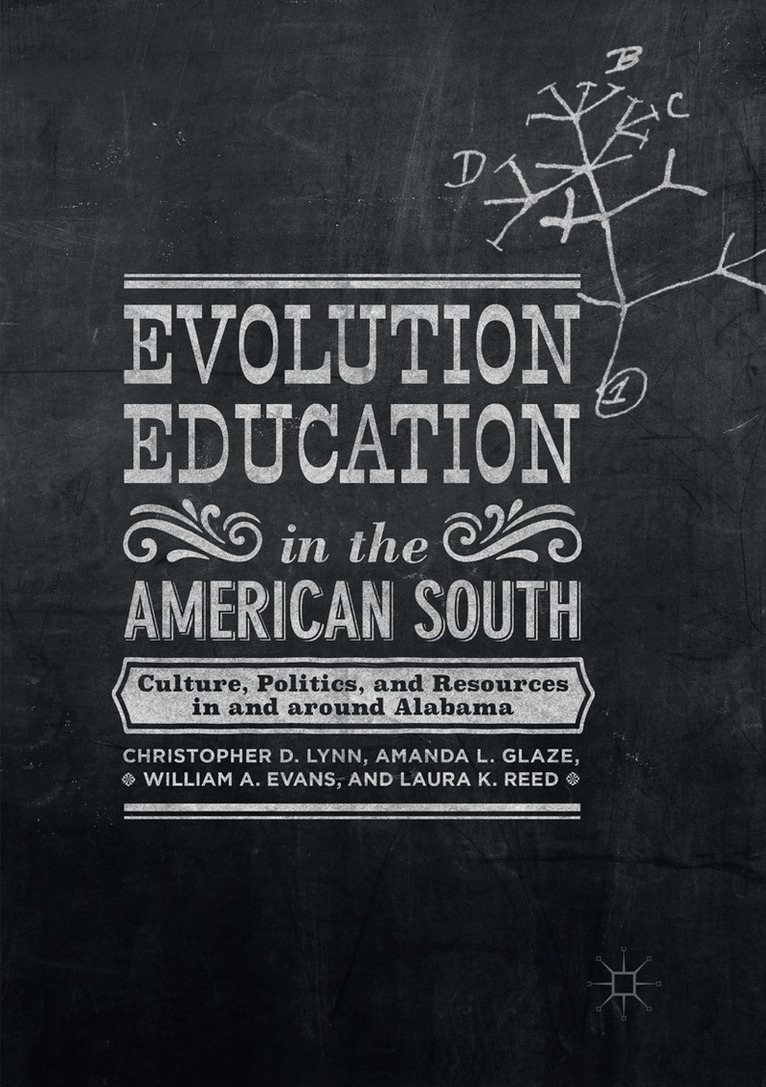
Evolution Education in the American South
Culture, Politics, and Resources in and around Alabama
Av Christopher D. Lynn, Amanda L. Glaze m. fl.
Häftad, 2018
1204 kr
Lägg i varukorg
This volume reaches beyond the controversy surrounding the teaching and learning of evolution in the United States, specifically in regard to the culture, politics, and beliefs found in the Southeast. The editors argue that despite a deep history of conflict in the region surrounding evolution, …
Virginia Woolf
Strategist of Language
Häftad, 1989
752 kr
Tillfälligt slut
This detailed analysis of the language strategies within ten of Virginia Woolf's longer works allows for a closer evaluation of the technical stages of this author's career. The study looks beyond "what she said" in order to describe "how she said it", through her manipulation of language …