William Babcock – författare
Visar alla böcker från författaren William Babcock. Handla med fri frakt och snabb leverans.
9 produkter
Media Accountability
Who Will Watch the Watchdog in the Twitter Age?
Inbunden, 2011
2504 kr
Lägg i varukorg
A small collection of well-honed tools has been employed for some time by media practitioners and the public to help maintain and improve the credibility of journalism and the mass media. These media accountability tools have included ethics codes, media critics, news councils, ombudsmen, …
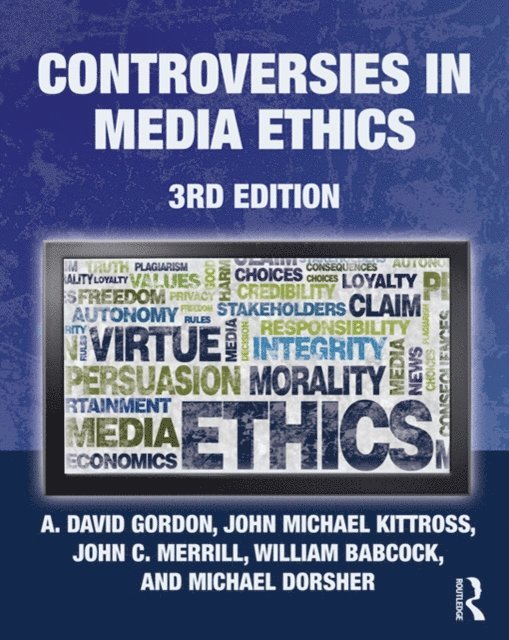
Controversies in Media Ethics
Av A. David Gordon, John Michael Kittross m. fl.
Häftad, 2011
1183 kr
Lägg i varukorg
Controversies in Media Ethics offers students, instructors and professionals multiple perspectives on media ethics issues presenting vast "gray areas" and few, if any, easy answers. This third edition includes a wide range of subjects, and demonstrates a willingness to tackle the problems raised by …
Controversies in Media Ethics
Av A. David Gordon, John Michael Kittross m. fl.
Inbunden, 2011
4289 kr
Lägg i varukorg
Controversies in Media Ethics offers students, instructors and professionals multiple perspectives on media ethics issues presenting vast "gray areas" and few, if any, easy answers. This third edition includes a wide range of subjects, and demonstrates a willingness to tackle the problems raised by …
Controversies in Media Ethics
Av Michael Dorsher, William Babcock m. fl.
E-bok, 2012
1403 kr
Lägg i varukorg
Controversies in Media Ethics offers students, instructors and professionals multiple perspectives on media ethics issues presenting vast "gray areas" and few, if any, easy answers. This third edition includes a wide range of subjects, and demonstrates a willingness to tackle the problems raised by …
Controversies in Media Ethics
Av Michael Dorsher, William Babcock m. fl.
E-bok, 2012
1372 kr
Lägg i varukorg
Controversies in Media Ethics offers students, instructors and professionals multiple perspectives on media ethics issues presenting vast "gray areas" and few, if any, easy answers. This third edition includes a wide range of subjects, and demonstrates a willingness to tackle the problems raised by …
Media Accountability
Who Will Watch the Watchdog in the Twitter Age?
Häftad, 2017
689 kr
Lägg i varukorg
A small collection of well-honed tools has been employed for some time by media practitioners and the public to help maintain and improve the credibility of journalism and the mass media. These media accountability tools have included ethics codes, media critics, news councils, ombudsmen, …
Media Accountability
Who Will Watch the Watchdog in the Twitter Age?
E-bok, 2014
796 kr
Lägg i varukorg
A small collection of well-honed tools has been employed for some time by media practitioners and the public to help maintain and improve the credibility of journalism and the mass media. These media accountability tools have included ethics codes, media critics, news councils, ombudsmen, …
Media Accountability
Who Will Watch the Watchdog in the Twitter Age?
E-bok, 2014
814 kr
Lägg i varukorg
A small collection of well-honed tools has been employed for some time by media practitioners and the public to help maintain and improve the credibility of journalism and the mass media. These media accountability tools have included ethics codes, media critics, news councils, ombudsmen, …
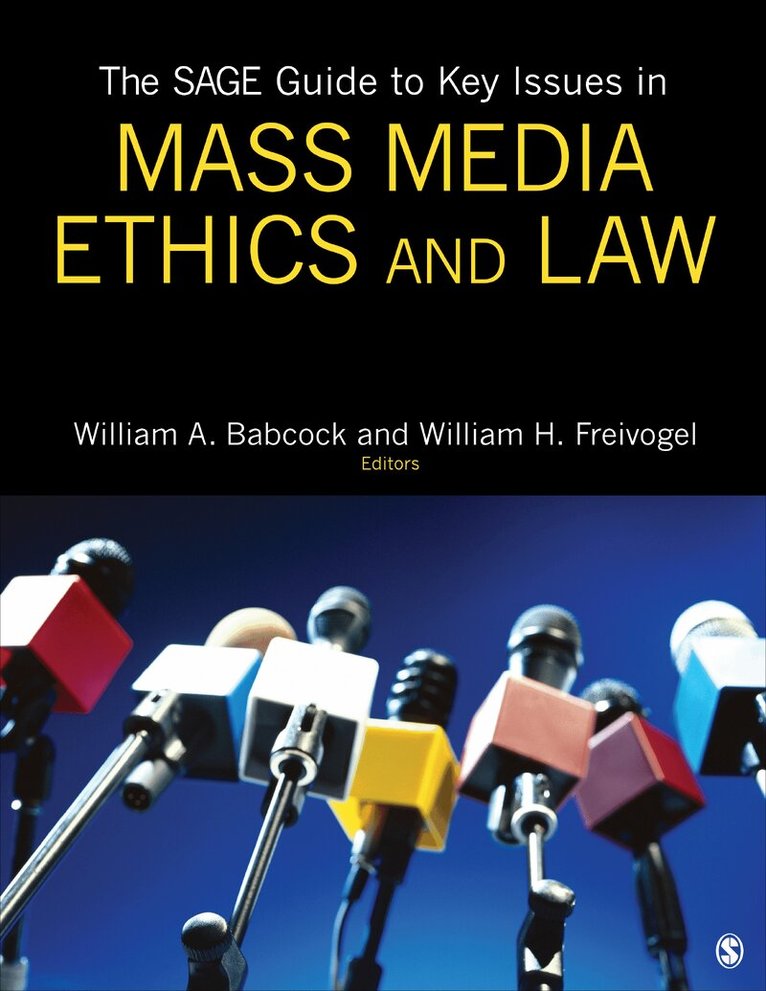
The SAGE Guide to Key Issues in Mass Media Ethics and Law
Av William Babcock, William H. Freivogel
Inbunden, 2015
4509 kr
Lägg i varukorg
The SAGE Guide to Key Issues in Mass Media Ethics and Law is an authoritative and rigorous two-volume, issues-based reference set that surveys varied views on many of the most contentious issues involving mass media ethics and the law. Divided into six thematic sections covering information from …