William D. Phillips Jr – författare
Visar alla böcker från författaren William D. Phillips Jr. Handla med fri frakt och snabb leverans.
6 produkter
6 produkter
409 kr
Skickas inom 7-10 vardagar
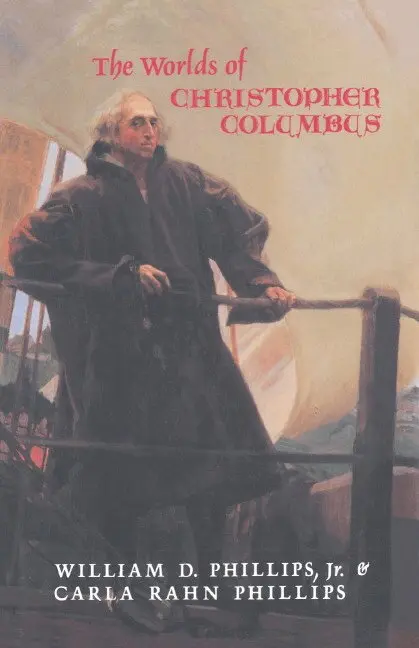
When Columbus was born in the mid-fifteenth century, Europe was largely isolated from the rest of the Old World - Africa and Asia - and ignorant of the existence of the world of the Western Hemisphere. The voyages of Christopher Columbus opened a period of European exploration and empire building that breached the boundaries of those isolated worlds and changed the course of human history. This book describes the life and times of Christopher Columbus on the 500th aniversary of his first voyage across the Atlantic Ocean in 1492. Since ancient times, Europeans had dreamed of discovering new routes to the untold riches of Asia and the Far East, what set Columbus apart from these explorers was his single-minded dedication to finding official support to make that dream a reality. More than a simple description of the man, this new book places Columbus in a very broad context of European and world history. Columbus's story is not just the story of one man's rise and fall. Seen in its broader context, his life becomes a prism reflecting the broad range of human experience for the past five hundred years. Respected historians of medieval Spain and early America, the authors examine Columbus's quest for funds, first in Portugal and then in Spain, where he finally won royal backing for his scheme. Through his successful voyage in 1492 and three subsequent journeys to the new world Columbus reached the pinnacle of fame and wealth, and yet he eventually lost royal support through his own failings. William and Carla Rahn Phillips discuss the reasons for this fall and describe the empire created by the Spaniards in the lands across the ocean, even though neither they, nor anyone else in Europe, know precisely where or what those lands were. In examining the birth of a new world, this book reveals much about the times that produced these intrepid explorers.
833 kr
Skickas inom 10-15 vardagar
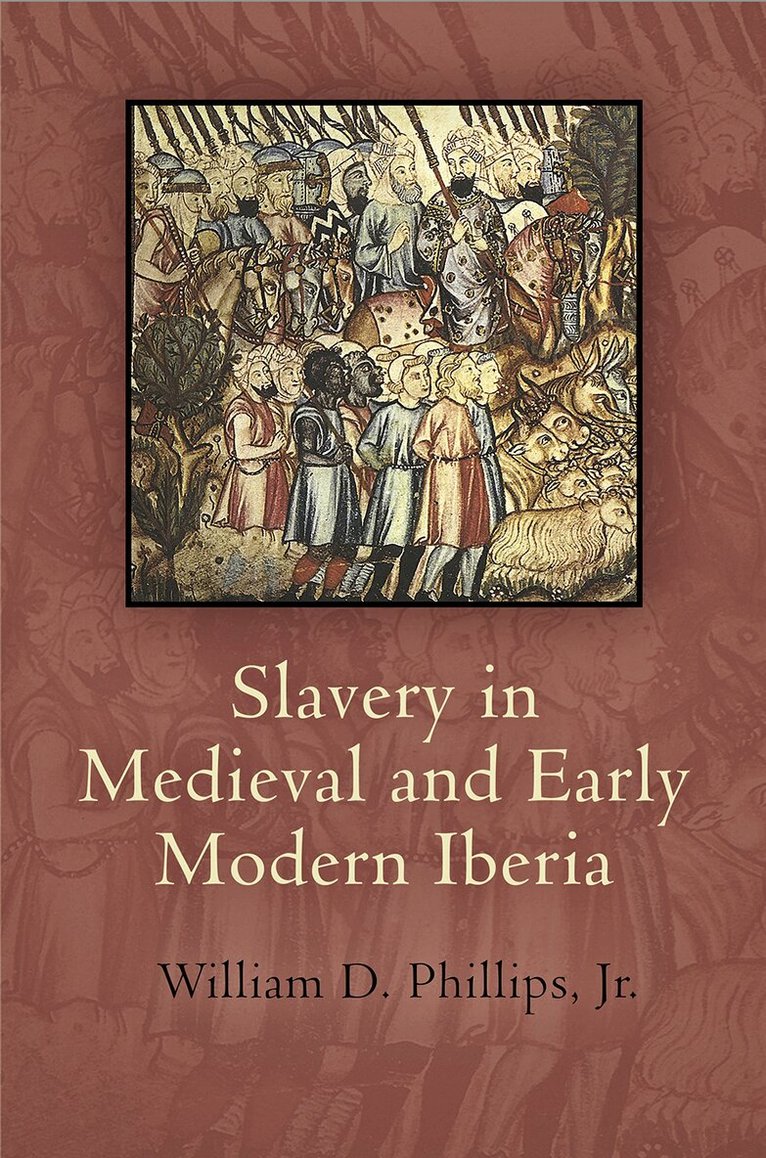
The enslaved population of medieval Iberia composed only a small percentage of the general populace at any given point, and slave labor was not essential to the regional economy during the period. Yet slaves were present in Iberia from the beginning of recorded history until the early modern era, and the regulations and norms for slavery and servitude shifted as time passed and kingdoms rose and fell. The Romans brought their imperially sanctioned forms of slavery to the Iberian peninsula, and these were adapted by successive Christian kingdoms during the Middle Ages. The Muslim conquest of Iberia introduced new ideas about slavery and effected an increase in slave trade. During the later Middle Ages and the early modern period, slave owners in Christian Spain and Portugal maintained slaves at home, frequently captives taken in wars and sea raids, and exported their slave systems to colonies across the Atlantic.Slavery in Medieval and Early Modern Iberia provides a magisterial survey of the many forms of bound labor in Iberia from ancient times to the decline of slavery in the eighteenth century. William D. Phillips, Jr., examines the pecuniary and legal terms of slavery from purchase to manumission. He pays particular attention to the conditions of life for the enslaved, which, in a religiously diverse society, differed greatly for Muslims and Christians as well as for men and women. This sweeping narrative will become the definitive account of slavery in a place and period that deeply influenced the forms of forced servitude that shaped the New World.
341 kr
Kommande
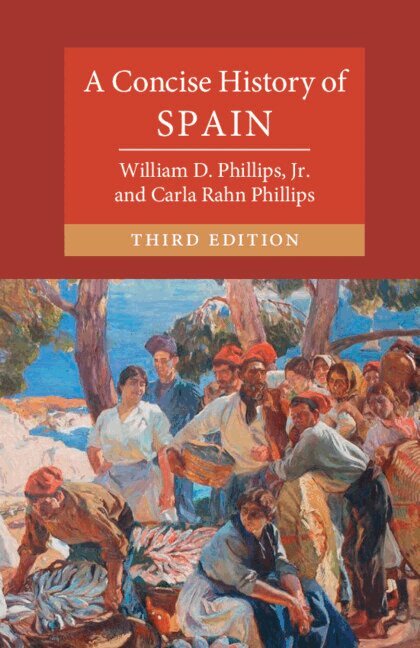
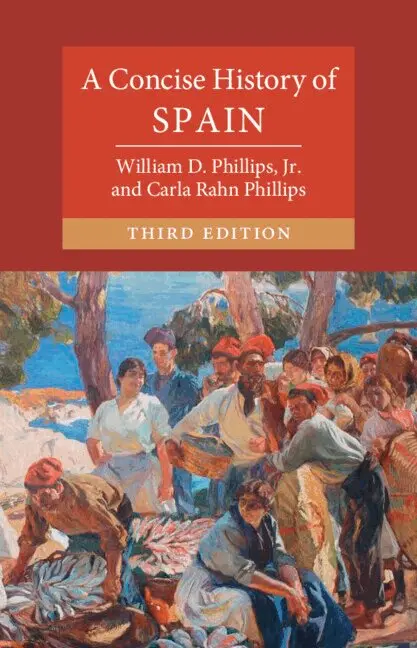
Modern Spain has developed from a complex history, a diverse population, and continual contact with outside influences. This updated and revised volume moves from prehistoric times to the present, incorporating recent scholarship and focusing on politics, society, economy, culture, and personalities. Written in an engaging style, it introduces key themes that have shaped Spanish history. These include its varied landscapes and climate zones; the impact of waves of human migrations; and Spain's importance as a bridge between the Atlantic and the Mediterranean, between Europe and Africa, and between Europe and Latin America. Another key theme is religion, particularly militant Catholic Christianity, its centuries of conflict with Islam and Protestantism, and debates over the place of religion in modern Spanish life. Illustrations, maps, and a guide to further information about major cultural figures, books to read, and places of interest make the history of this fascinating country come alive.
1 276 kr
Kommande
Modern Spain has developed from a complex history, a diverse population, and continual contact with outside influences. This updated and revised volume moves from prehistoric times to the present, incorporating recent scholarship and focusing on politics, society, economy, culture, and personalities. Written in an engaging style, it introduces key themes that have shaped Spanish history. These include its varied landscapes and climate zones; the impact of waves of human migrations; and Spain's importance as a bridge between the Atlantic and the Mediterranean, between Europe and Africa, and between Europe and Latin America. Another key theme is religion, particularly militant Catholic Christianity, its centuries of conflict with Islam and Protestantism, and debates over the place of religion in modern Spanish life. Illustrations, maps, and a guide to further information about major cultural figures, books to read, and places of interest make the history of this fascinating country come alive.
1 350 kr
Skickas inom 7-10 vardagar
The rich cultural and political life of Spain has emerged from its complex history, from the diversity of its peoples, and from continual contact with outside influences. This updated edition traces that history from prehistoric times to the present, focusing particularly on culture, society, politics, and personalities. Written in an engaging style, it introduces readers to key themes that have shaped Spain's history and culture. These include its varied landscapes and climates; the impact of waves of diverse human migrations; the importance of its location as a bridge between the Atlantic and the Mediterranean and Europe and Africa; and religion, particularly militant Catholic Christianity and its centuries of conflict with Islam and Protestantism, as well as debates over the place of the church in modern Spain. Illustrations, maps and a guide to further reading, major cultural figures, and places to see make the history of this fascinating country come alive.
344 kr
Skickas inom 7-10 vardagar
The rich cultural and political life of Spain has emerged from its complex history, from the diversity of its peoples, and from continual contact with outside influences. This updated edition traces that history from prehistoric times to the present, focusing particularly on culture, society, politics, and personalities. Written in an engaging style, it introduces readers to key themes that have shaped Spain's history and culture. These include its varied landscapes and climates; the impact of waves of diverse human migrations; the importance of its location as a bridge between the Atlantic and the Mediterranean and Europe and Africa; and religion, particularly militant Catholic Christianity and its centuries of conflict with Islam and Protestantism, as well as debates over the place of the church in modern Spain. Illustrations, maps and a guide to further reading, major cultural figures, and places to see make the history of this fascinating country come alive.