William E. Becker Jr. - Böcker
Visar alla böcker från författaren William E. Becker Jr.. Handla med fri frakt och snabb leverans.
6 produkter
6 produkter
1 637 kr
Skickas inom 10-15 vardagar
This volume addresses topics related to the role of post-secondary education in microeconomic development within the United States. Although several of the chapters are aimed at research/teaching universities, much of what is presented can be generalized to all post-secondary education. the articles in this book summarize the research literature and synthesize what economists and other social scientists have learned about the contribution of higher education to individual and regional growth within society.
1 094 kr
Skickas inom 10-15 vardagar
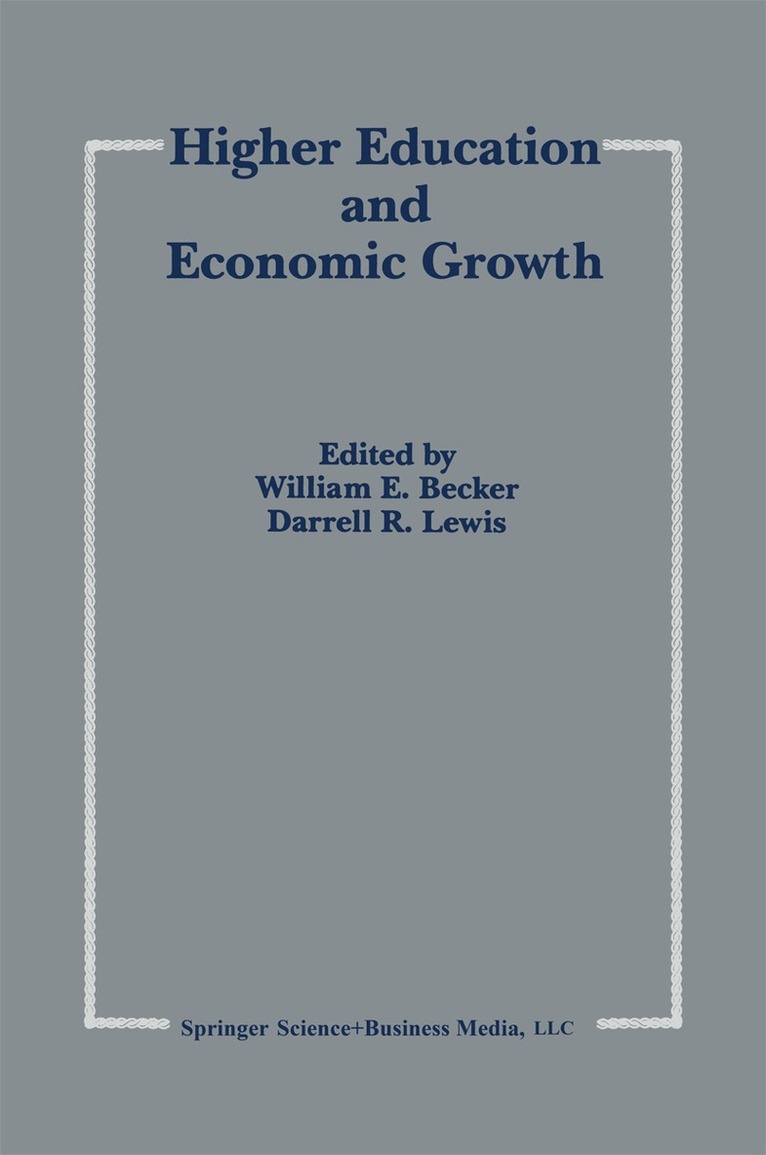
This work addresses topics related to the role of post-secondary education in national economic development within the United States. The chapters summarize the research literature and synthesize what economists and other social scientists have learned about the contribution of higher education to economic growth. Attention is given to the research, teaching and service missions of higher education in stimulating economic growth and development. The book focuses on the economic and social gains to the nation as a whole and follows up on "The Economics of American Higher Education" edited by Becker and Lewis (KAP Boston, 1992) which dealt primarily with the effects of higher education on the gains of individuals.
Del 2 - International Series in Economic Modelling
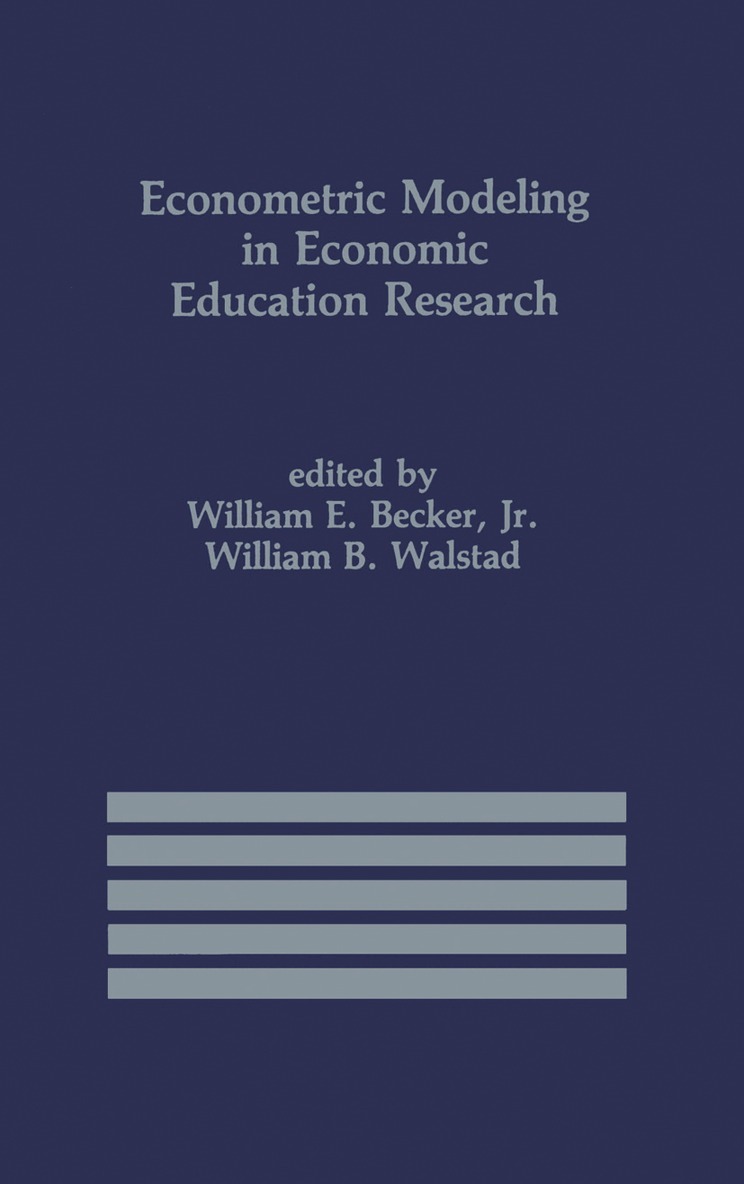
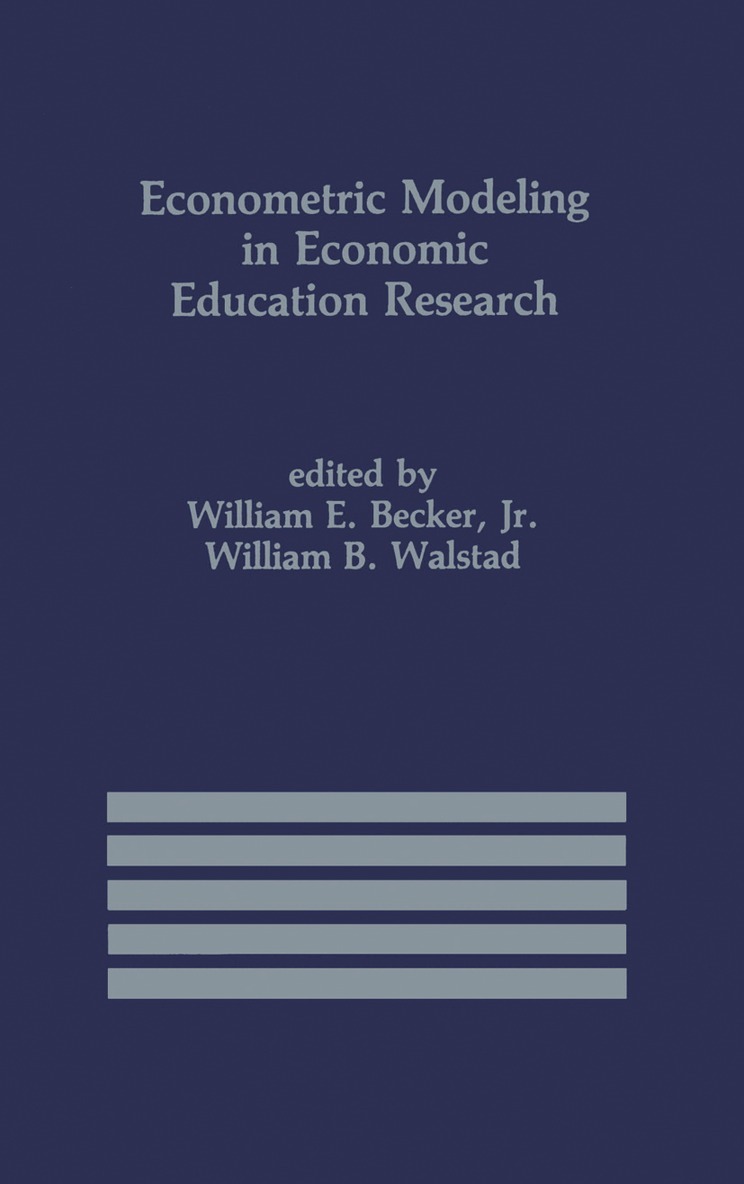
Econometric Modeling in Economic Education Research
Inbunden, Engelska, 1987
1 637 kr
Skickas inom 10-15 vardagar
Since its establishment in the 1950s the American Economic Association's Committee on Economic Education has sought to promote improved instruction in economics and to facilitate this objective by stimulating research on the teaching of economics. These efforts are most apparent in the sessions on economic education that the Committee organizes at the Association's annual meetings. At these sessions economists interested in economic education have opportunities to present new ideas on teaching and research and also to report the findings of their research. The record of this activity can be found in the Proceedings of the American Eco nomic Review. The Committee on Economic Education and its members have been actively involved in a variety of other projects. In the early 1960s it organized the National Task Force on Economic Education that spurred the development of economics teaching at the precollege level. This in turn led to the development of a standardized research instrument, a high school test of economic understanding. This was followed later in the 1960s by the preparation of a similar test of understanding college economics. The development of these two instruments greatly facilitated research on the impact of economics instruction, opened the way for application of increasingly sophisticated statistical methods in measuring the impact of economic education, and initiated a steady stream of research papers on a subject that previously had not been explored.
1 032 kr
Skickas inom 10-15 vardagar
This book addresses topics related to the role of post-secondary education in national economic development within the United States. The chapters summarize the research literature and synthesize what economists and other social scientists have learned about the contribution of higher education to economic growth. Attention is given to the research, teaching and service missions of higher education in stimulating economic growth and development. This book focuses on the economic and social gains to the nation as a whole and follows up on The Economics of American Higher Education edited by Becker and Lewis (Kluwer Academic Publishers, 1992), which dealt primarily with the effects of higher education on the gains of individuals.
1 545 kr
Skickas inom 10-15 vardagar
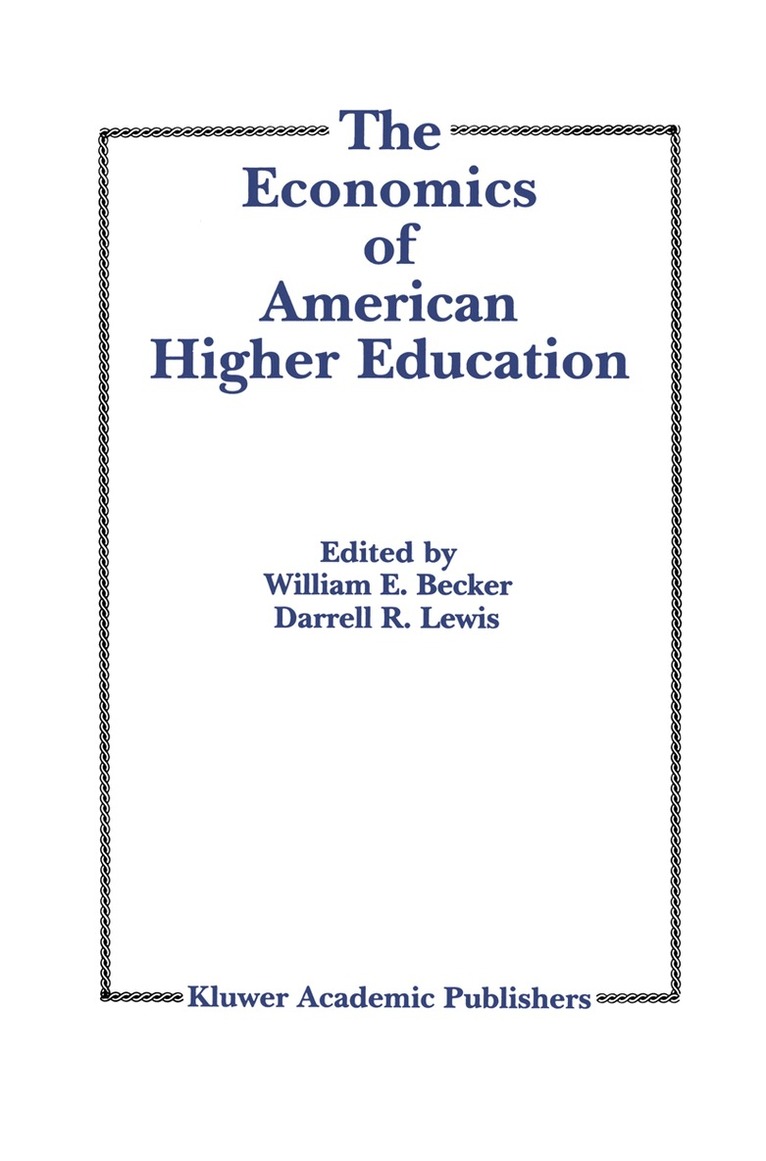
Postsecondary educational institutions in the United States are facing increasing financial stress and waning public support. Unless these trends can be changed, higher education can be expected to stagnate. What, if anything, can be done? As a starting point, advocates of higher education need to more fully recognize the issues associated with the economic mission of higher education and how this mission gets translated into individual student gains, regional growth, and social equity. This requires an understanding of the relationship between the outcomes of higher education and measures of economic productivity and well-being. This volume addresses topics related to the role of postsecondary education in microeconomic development within the United States. At tention is given to the importance of colleges and universities 'in the enhancement of individual students and in the advancement of the com munities and states within which they work. Although several of the chapters in this volume are aimed at research/teaching universities, much of what is presented throughout can be generalized to all of postsecondary education. Little attention, however, is given to the role of higher education in the macroeconomic development of the United States; this topic is covered in our related book, American Higher Education and National Growth.
1 637 kr
Skickas inom 10-15 vardagar
Since its establishment in the 1950s the American Economic Association's Committee on Economic Education has sought to promote improved instruction in economics and to facilitate this objective by stimulating research on the teaching of economics. These efforts are most apparent in the sessions on economic education that the Committee organizes at the Association's annual meetings. At these sessions economists interested in economic education have opportunities to present new ideas on teaching and research and also to report the findings of their research. The record of this activity can be found in the Proceedings of the American Eco nomic Review. The Committee on Economic Education and its members have been actively involved in a variety of other projects. In the early 1960s it organized the National Task Force on Economic Education that spurred the development of economics teaching at the precollege level. This in turn led to the development of a standardized research instrument, a high school test of economic understanding. This was followed later in the 1960s by the preparation of a similar test of understanding college economics. The development of these two instruments greatly facilitated research on the impact of economics instruction, opened the way for application of increasingly sophisticated statistical methods in measuring the impact of economic education, and initiated a steady stream of research papers on a subject that previously had not been explored.