William E. DeMars – författare
Visar alla böcker från författaren William E. DeMars. Handla med fri frakt och snabb leverans.
6 produkter
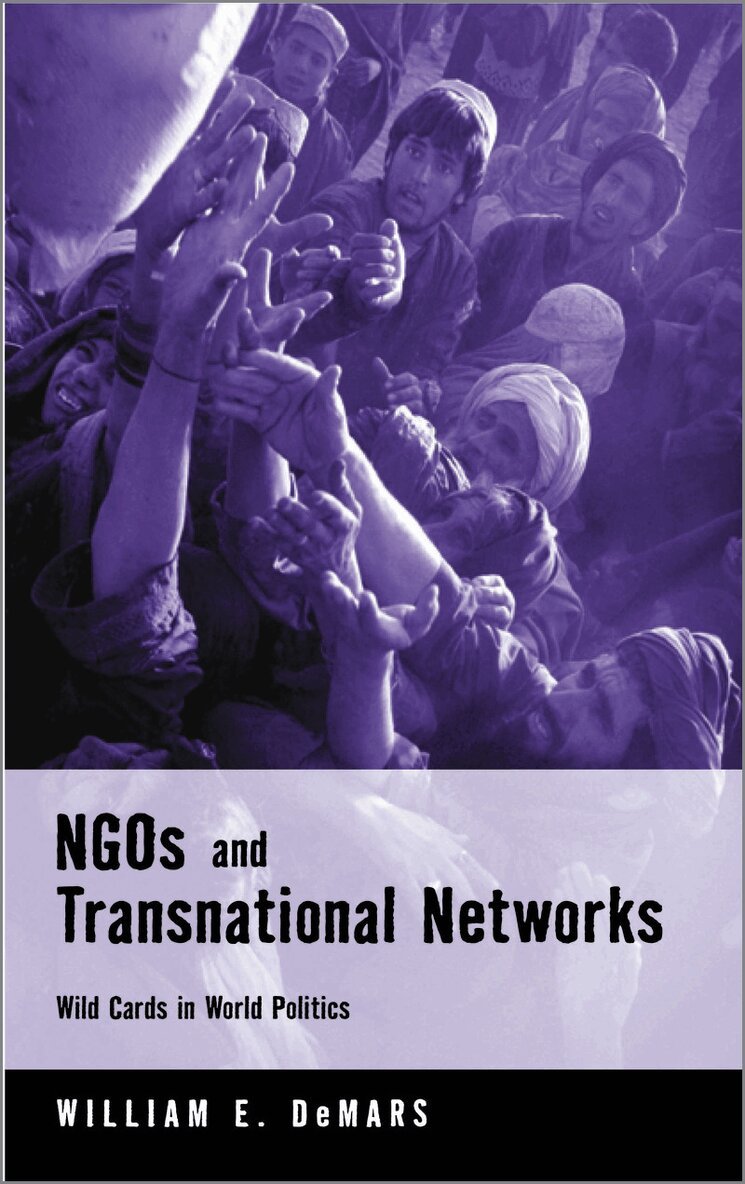
NGOs and Transnational Networks
Wild Cards in World Politics
Häftad, 2005
323 kr
Lägg i varukorg
Non-Governmental Organisations and their networks are proliferating in all regions of the world. They address every transnational issue from population to peace, human rights to species rights, genocide to AIDS. Supporters claim NGOs are effective in achieving their goals, while detractors counter …
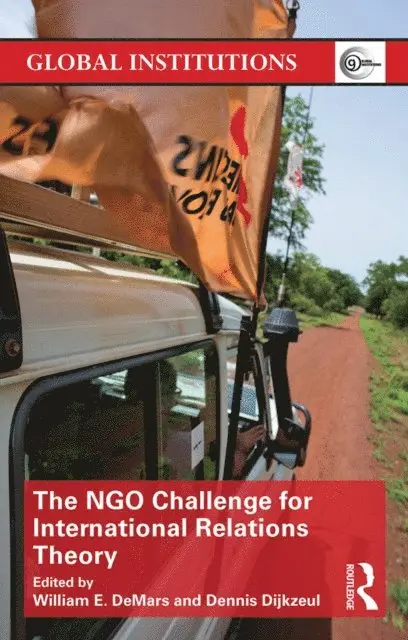
NGO Challenge for International Relations Theory
Av William E. DeMars, Dennis Dijkzeul
Inbunden, 2015
2510 kr
Lägg i varukorg
It has become commonplace to observe the growing pervasiveness and impact of Non-Governmental Organizations (NGOs). And yet the three central approaches in International Relations (IR) theory, Liberalism, Realism and Constructivism, overlook or ignore the importance of NGOs, both theoretically and …
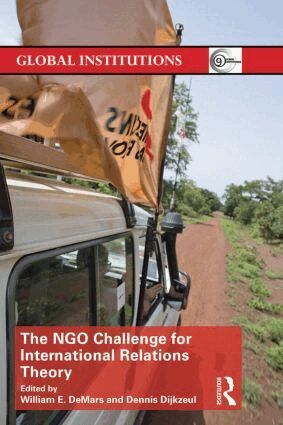
NGO Challenge for International Relations Theory
Av William E. DeMars, Dennis Dijkzeul
Häftad, 2015
764 kr
Lägg i varukorg
It has become commonplace to observe the growing pervasiveness and impact of Non-Governmental Organizations (NGOs). And yet the three central approaches in International Relations (IR) theory, Liberalism, Realism and Constructivism, overlook or ignore the importance of NGOs, both theoretically and …
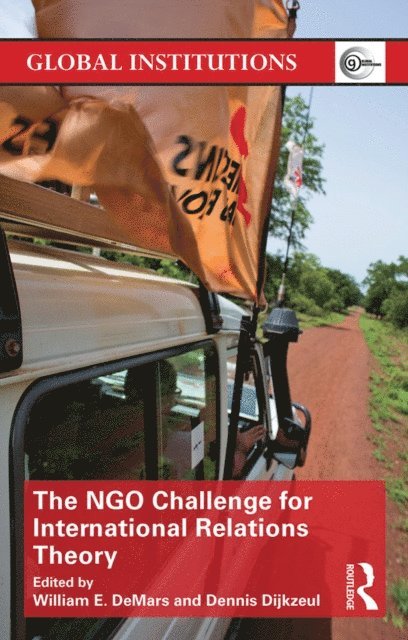
NGO Challenge for International Relations Theory
Av Dennis Dijkzeul, William E. DeMars
E-bok, 2015
901 kr
Lägg i varukorg
It has become commonplace to observe the growing pervasiveness and impact of Non-Governmental Organizations (NGOs). And yet the three central approaches in International Relations (IR) theory, Liberalism, Realism and Constructivism, overlook or ignore the importance of NGOs, both theoretically and …
NGO Challenge for International Relations Theory
Av Dennis Dijkzeul, William E. DeMars
E-bok, 2015
901 kr
Lägg i varukorg
It has become commonplace to observe the growing pervasiveness and impact of Non-Governmental Organizations (NGOs). And yet the three central approaches in International Relations (IR) theory, Liberalism, Realism and Constructivism, overlook or ignore the importance of NGOs, both theoretically and …