William E. Paul – författare
Visar alla böcker från författaren William E. Paul. Handla med fri frakt och snabb leverans.
15 produkter
15 produkter
Inbunden, Engelska, 1994
1 651 kr
Skickas inom 10-15 vardagar
Signaling through antigen receptor initiates a complex series of events resulting in the activation of genes that regulate the development, proliferation and differentiation of lymphocytes. During the past few years, rapid progress has been made in understanding the molecular basis of signaling pathways mediated by antigen and cytokine receptors. These pathways involve protein tyrosine kinases which are coupled to downstream regulatory molecules, including small guanine nucleotide binding proteins (e. g. p21'OS), serine threonine kinases (e. g. , members of the ERK family), and a large group of transcription factors. More recently, there have been breakthroughs in elucidating the genetic defects underlying three X-linked primary immunodeficiency diseases in humans. This volume surveys aspects of these rapidly developing areas of research. The book is divided into 5 different sections. Section I deals with signaling pathways in B lymphocytes. It includes a contemporary assessment of B cell antigen receptor structures, and discussion of the role of Ig-a/lg-B polypeptides in linking the antigen receptor to intracellular signal transduction pathways. The role of accessory molecules in the regulation of signaling by the B cell antigen receptor is also considered. Section II adopts a similar approach to the analysis of the antigen receptor on T lymphocytes. The importance of specialized signaling motifs in the CD3 polypeptides, mechanisms whereby these motifs may interact with the lymphocyte-specific protein tyrosine kinases, and the downstream consequences of these interactions are reviewed. In addition, the role of antigen-induced apoptosis in the generation of immunological tolerance is discussed.
Inbunden, Engelska, 2002
1 071 kr
Skickas inom 10-15 vardagar
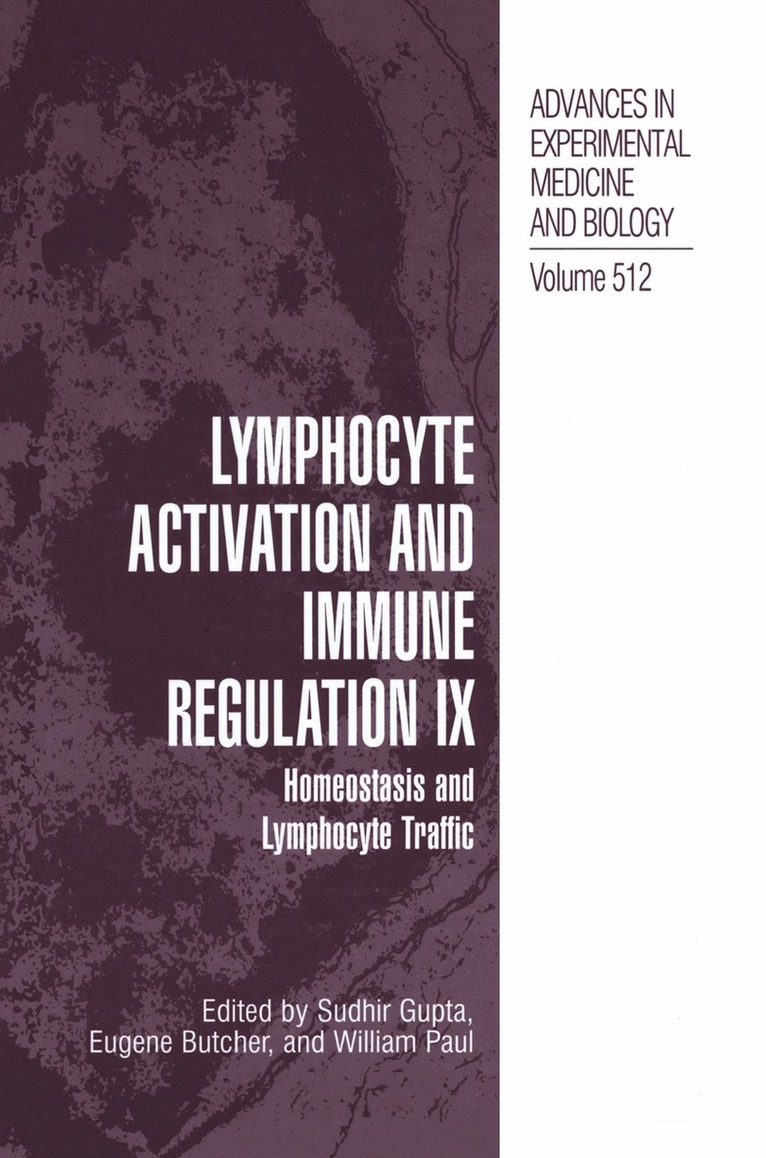
During the past five years major progress has been made in understanding the basic mechanisms of lymphocyte homeostasis and in the developmental relationship between different memory T subsets and their traffic patterns and functional significance. This volume highlights the current concepts of lymphocyte development, factors regulating lymphocyte trafficking and development, and specialized characteristics and functional properties of naive and memory subsets. This volume is divided into three sections. Section I deals with factors that regulate the development and maturation of T cells and B cells and lymphocyte traffic. The significance of C-kit, Bcl-6, IL-7, and Vav in the development of T and B lymphocytes is discussed. A role of lymphotoxins and VAP-I in trafficking of leucocytes is reviewed. Finally, the trafficking and homing characteristics of T cell and B cell subsets, and the regulation of these processes during the immune response, is presented.Section II discusses various aspects of naive and memory T cell biology, including clonal expansion, reprogramming of genes including those encoding cytokines and cytotoxic granules, changes in the expression of cell surface proteins involved in cell--cell adhesion, homing of naive and memory T cells, the role of MHC and cytokines in the maintenance of naive and memory T cells, and the characterization and differentiation of virus-specific memory T cell heterogeneity in mice and humans. Novel methods of visualization of immune cells and immune systems are reviewed in Section III. This includes tracking of dendritic cells in vivo, monitoring arterial smooth muscle-specific T cells in the inflamed vasculature, imaging of molecular migrations in immune synapses, and visualization of various immune cells in intact lymphoid tissues by two photon confocal imaging. This volume should be of interest to immunologists, molecular biologists, microbiologists, pathologists, academic physicians, cell biologists, and scientists and clinicians interested in vaccine development.
Inbunden, Engelska, 2005
1 651 kr
Skickas inom 10-15 vardagar
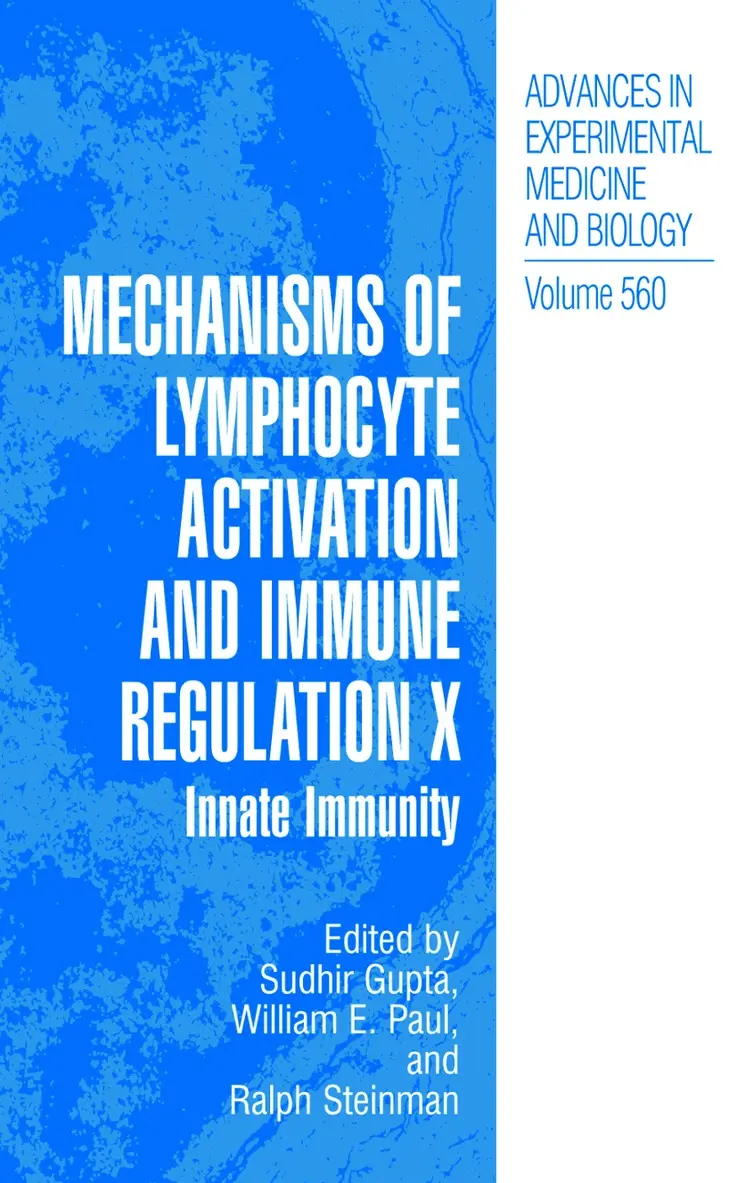
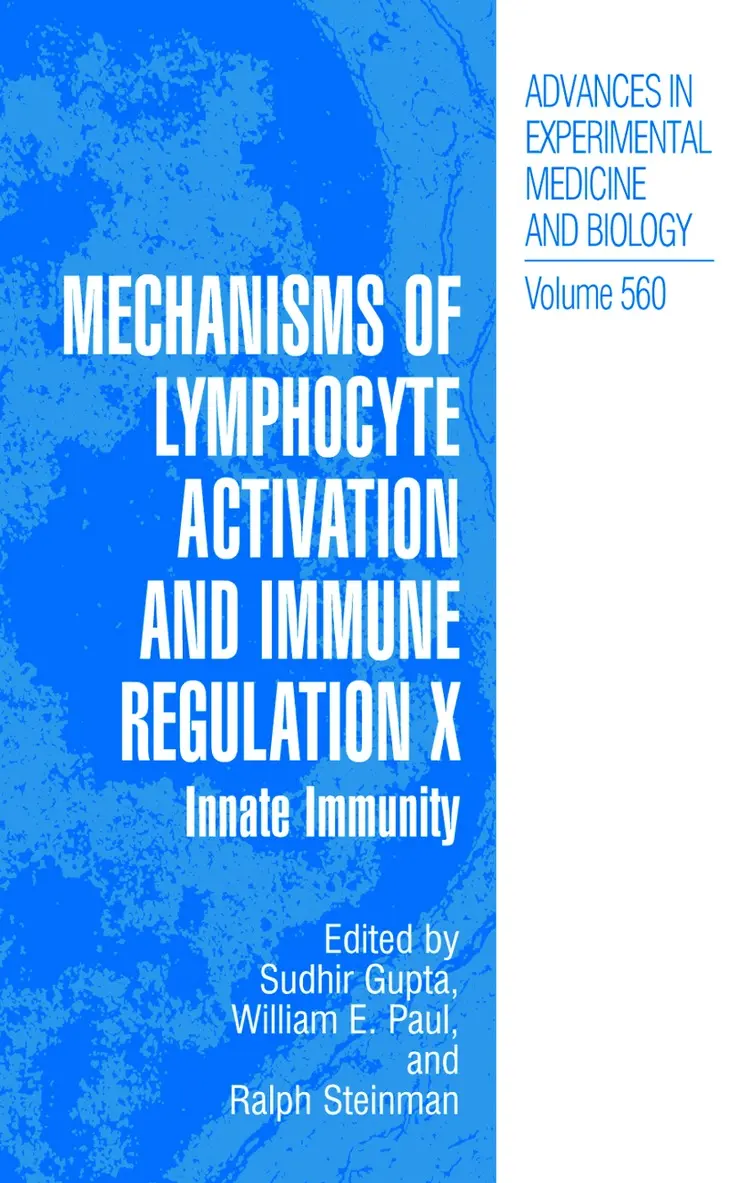
Mechanisms of Lymphocyte Activation and Immune Regulation X: Innate Immunity is the proceedings of the Xth International Conference on Mechanisms of Lymphocyte Activation and Immune Regulation: Innate Immunity, held February 6-8, 2004 in Newport Beach, California. It is the tenth volume of its kind to appear in the series Advances in Experimental Medicine and Biology. Topics include toll receptors, dendritic cells, NK cells, and complement receptors.
Häftad, Engelska, 2009
564 kr
Skickas inom 5-8 vardagar
More than 300 Bible or New Testament translations, including the popular King James Version, have been produced in English in the past 600 years. These various translations, both obscure and well-known, were undertaken by diligent individuals working either alone or in committees known to number more than 100.This reference work provides information about the men and women who produced English language translations. Arranged alphabetically by surname, each of the 346 entries includes biographical and vocational information; notes on the various editions produced; samples of their translation; and other pertinent facts. In cases where translations were done by committee, the chairpersons and project initiators are covered. Important anonymous translations are also included.
Häftad, Engelska, 2006
304 kr
Skickas inom 5-8 vardagar
Inbunden, Engelska, 2006
381 kr
Skickas inom 5-8 vardagar
Inbunden, Engelska, 2016
534 kr
Skickas inom 5-8 vardagar
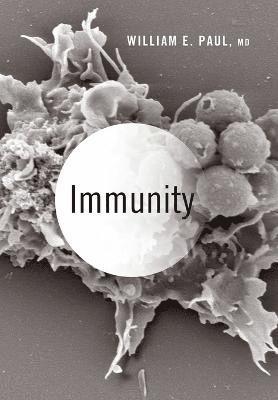
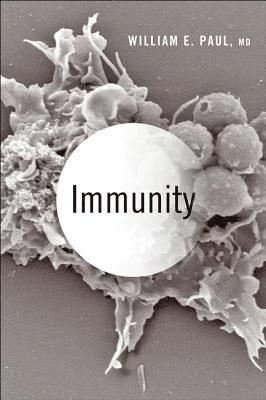
This significant book conveys Dr William E Paul's enduring enthusiasm for the field of immunology, the incredible accomplishments of the past half-century, and the future's untapped promises. The immune system has incredible power to protect us from the ravages of infection by killing disease-causing microbes or eliminating them from the body. Boosted by vaccines, it can protect us individually and as a "herd" from diseases such as measles. As Dr Paul explains, however, the power of the immune system is a double-edged sword: an overactive immune system can wreak havoc, destroying normal tissue and causing diseases such as type I diabetes, rheumatoid arthritis, and multiple sclerosis. The consequences of an impaired immune system, on the other hand, are all too evident in the clinical agonies of AIDS and other immunodeficiency diseases. Packed with illustrations, stories from Dr Paul's distinguished career, and compelling narratives of scientific discovery, Immunity presents the three laws of the human immune system-universality, tolerance, and appropriateness-and explains how the system protects and harms us.From the tale of how smallpox was overcome to the lessons of the Ebola epidemic to the utility of vaccines and the hope that the immune system can be used to treat or prevent cancer, Dr Paul argues that we must position ourselves to take advantage of cutting-edge technologies and promising new tools in immunological research, including big data and the microbiome.
Häftad, Engelska, 2018
290 kr
Skickas inom 5-8 vardagar
A leading figure in immunology takes readers inside the remarkably powerful human immune system.Winner of the CHOICE Outstanding Academic Title of the Choice ACRLThe immune system has incredible power to protect us from the ravages of infection. Boosted by vaccines, it can protect us from diseases such as measles. However, the power of the immune system is a double-edged sword: an overactive immune system can wreak havoc, destroying normal tissue and causing diseases such as type I diabetes, rheumatoid arthritis, and multiple sclerosis. The consequences of an impaired immune system, on the other hand, are all too evident in the agonies of AIDS.Packed with illustrations, stories from Dr. William E. Paul’s distinguished career, and fascinating accounts of scientific discovery, Immunity presents the three laws of the human immune system—universality, tolerance, and appropriateness—and explains how the system both protects and harms us. From the tale of how smallpox was overcome and the lessons of the Ebola epidemic to the hope that the immune system can be used to treat or prevent cancer, Dr. Paul argues that we must take advantage of cutting-edge technologies and promising new tools in immunological research.
Häftad, Engelska, 2010
1 651 kr
Skickas inom 10-15 vardagar
Mechanisms of Lymphocyte Activation and Immune Regulation X: Innate Immunity is the proceedings of the Xth International Conference on Mechanisms of Lymphocyte Activation and Immune Regulation: Innate Immunity, held February 6-8, 2004 in Newport Beach, California. It is the tenth volume of its kind to appear in the series Advances in Experimental Medicine and Biology. Topics include toll receptors, dendritic cells, NK cells, and complement receptors.
Häftad, Engelska, 2012
1 103 kr
Skickas inom 10-15 vardagar
This volume is divided into three sections. Section I deals with factors that regulate the development and maturation of T cells and B cells and lymphocyte traffic. The significance of C-kit, Bcl-6, IL-7, and Vav in the development of T and B lymphocytes is discussed. A role of lymphotoxins and VAP-I in trafficking of leucocytes is reviewed. Finally, the trafficking and homing characteristics of T cell and B cell subsets, and the regulation of these processes during the immune response, is presented. Section II discusses various aspects of naive and memory T cell biology, including clonal expansion, reprogramming of genes including those encoding cytokines and cytotoxic granules, changes in the expression of cell surface proteins involved in cell-cell adhesion, homing of naive and memory T cells, the role of MHC and cytokines in the maintenance of naive and memory T cells, and the characterization and differentiation of virus-specific memory T cell heterogeneity in mice and humans. Novel methods of visualization of immune cells and immune systems are reviewed in Section III.
625 kr
Skickas inom 5-8 vardagar
Häftad, Engelska, 2012
1 071 kr
Skickas inom 10-15 vardagar
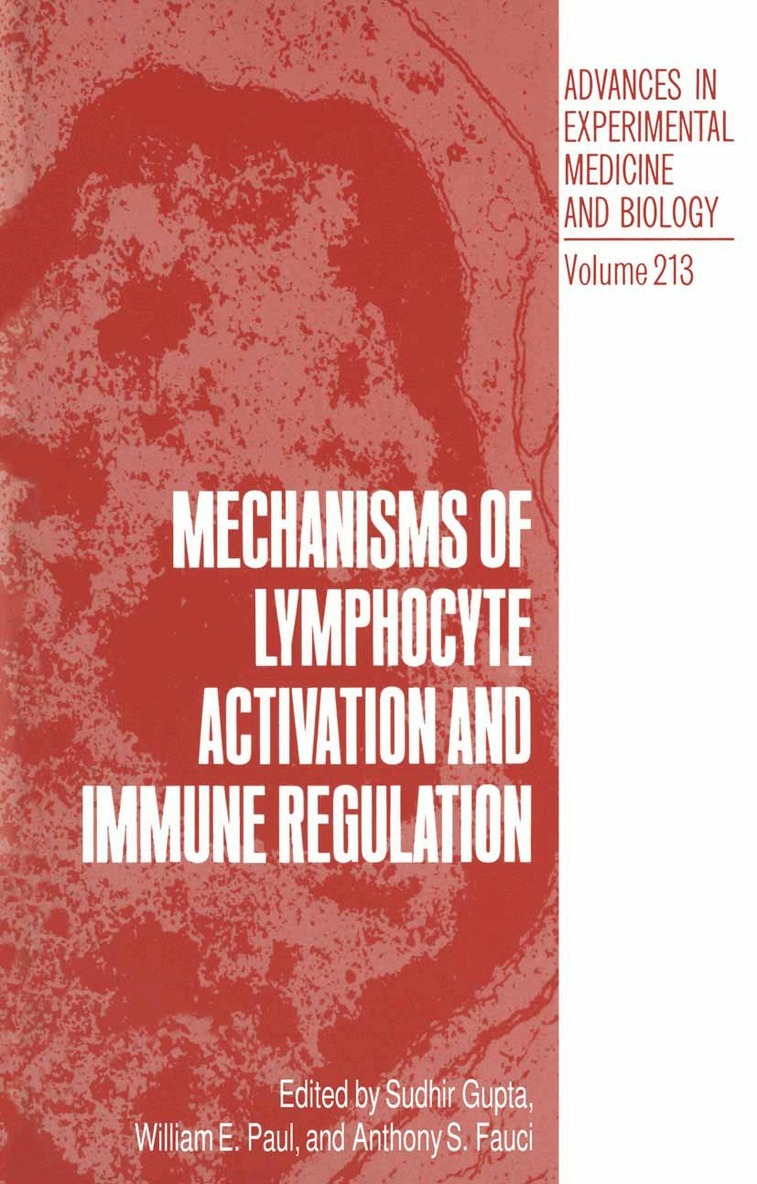
During the past 5 years rapid progress has been made in the understanding of biochemical pathways for signal transduction in lymphocyte activation. Gene cloning technology has been instrumental in defining and making available in pure form of a number of growth and differentiation factors, in the characterization of their receptors, and in the delineation of genes for the T cell receptor. This book is divided into 6 sections. Section 1 deals with the molecular structure of the T cell receptor. Section 2 discusses the role of the T cell receptor, membrane ion channels and biochemical pathways of signal transduction in T cell activation. The molecular structures and biological and immunological effects of interleukin 1, interleukin 2 and interleukin 3 are presented in Section 3. This section also details the structure of interleukin 2 receptor and its use as a target for therapy for certain leukemias. Section 4 includes the biochemical events which occur following the delivery of the signal for B cell activation, proliferation, and differentiation by antigen, growth/differentiation factors. The molecular structure of B cell stimulating factors is also discussed. The role of oncogene expression in cellular activation and differentiation is included in Section 5. The cellular and molecular basis of natural killing and the molecular basis of cyc1osporin A-mediated immunosuppression are discussed in detail in Section 6. We hope this book will serve as a reference work on basic mechanisms of lymphocyte activation, proliferation, and differentiation for immunologists and molecular biologists.
Häftad, Engelska, 2012
555 kr
Skickas inom 10-15 vardagar
Recent advances in the understanding of the major events that shape the immune recog nition system have been remarkable. The analysis of immunoglobulin (Ig) gene organization and Ig repertoire diversification in lower vertebrates has provided new insight into this process in mammals. Similarly, the understanding of the early development of lymphocytes and of the acquisition of immunological tolerance has been aided by elegant studies in quail/chicken chimeras, using the power of the distinctive markers of the constitutive cells of these birds. Great strides have been made in understanding the role played by major histocompatibility complex (MHC) molecules in antigen presentation and in repertoire selec tion within the thymus. The use of transgenic mice expressing specific T-cell receptor (TCR) genes has elucidated the process of both positive and negative selection. In parallel, there has been considerable progress in our understanding of tolerance, based in part on the use of markers for the V fJ genes of T-cell receptors and in part on the analysis of the behavior of long term T-cell lines. This has led to the realization that both clonal deletion and clonal anergy may play critical roles in the maintenance of unresponsiveness to self antigen. Molecular analysis of the requirements for expression of membrane immunoglobulin molecules has revealed the existence of a complex that appears to be of critical importance in mediating signalling through Ig receptors. In addition, major insights have been obtained into the regulation of expression of genes of immunologic interest.
Mechanisms of Lymphocyte Activation and Immune Regulation V : Molecular Basis of Signal Transduction
Engelska, 2013
644 kr
Skickas inom 5-8 vardagar
Häftad, Engelska, 2013
1 653 kr
Skickas inom 10-15 vardagar
Signaling through antigen receptor initiates a complex series of events resulting in the activation of genes that regulate the development, proliferation and differentiation of lymphocytes. During the past few years, rapid progress has been made in understanding the molecular basis of signaling pathways mediated by antigen and cytokine receptors. These pathways involve protein tyrosine kinases which are coupled to downstream regulatory molecules, including small guanine nucleotide binding proteins (e. g. p21'OS), serine threonine kinases (e. g. , members of the ERK family), and a large group of transcription factors. More recently, there have been breakthroughs in elucidating the genetic defects underlying three X-linked primary immunodeficiency diseases in humans. This volume surveys aspects of these rapidly developing areas of research. The book is divided into 5 different sections. Section I deals with signaling pathways in B lymphocytes. It includes a contemporary assessment of B cell antigen receptor structures, and discussion of the role of Ig-a/lg-B polypeptides in linking the antigen receptor to intracellular signal transduction pathways. The role of accessory molecules in the regulation of signaling by the B cell antigen receptor is also considered. Section II adopts a similar approach to the analysis of the antigen receptor on T lymphocytes. The importance of specialized signaling motifs in the CD3 polypeptides, mechanisms whereby these motifs may interact with the lymphocyte-specific protein tyrosine kinases, and the downstream consequences of these interactions are reviewed. In addition, the role of antigen-induced apoptosis in the generation of immunological tolerance is discussed.