William E. Winner – författare
Visar alla böcker från författaren William E. Winner. Handla med fri frakt och snabb leverans.
4 produkter
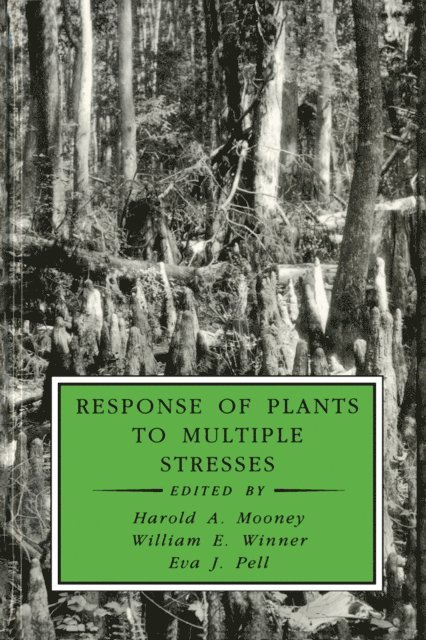
Response of Plants to Multiple Stresses
Av Eva J. Pell, William E. Winner
E-bok, 2012
695 kr
Lägg i varukorg
This book presents a whole-plant perspective on plant integrated responses to multiple stresses, including an analysis of how plants have evolved growth forms and phenological responses to cope with changing stress patterns in natural environments.- Explores stress responses at both the structural …
Sulfur Dioxide and Vegetation
Physiology, Ecology, and Policy Issues
Av William E. Winner, Harold A. Mooney m. fl.
Inbunden, 1986
1586 kr
Lägg i varukorg
A Stanford University Press classic.
Handbook for Analytical Writing
Keys to Strategic Thinking
Häftad, 2013
277 kr
Lägg i varukorg
This handbook accelerates the development of analytical writing skills for high school students, students in higher education, and working professionals in a broad range of careers. This handbook builds on the idea that writing clarifies thought, and that through analytical writing comes improved …
Handbook for Analytical Writing
Keys to Strategic Thinking
E-bok, 2022
375 kr
Lägg i varukorg
This handbook accelerates the development of analytical writing skills for high school students, students in higher education, and working professionals in a broad range of careers. This handbook builds on the idea that writing clarifies thought, and that through analytical writing comes improved …