William F. Schulz – författare
Visar alla böcker från författaren William F. Schulz. Handla med fri frakt och snabb leverans.
6 produkter
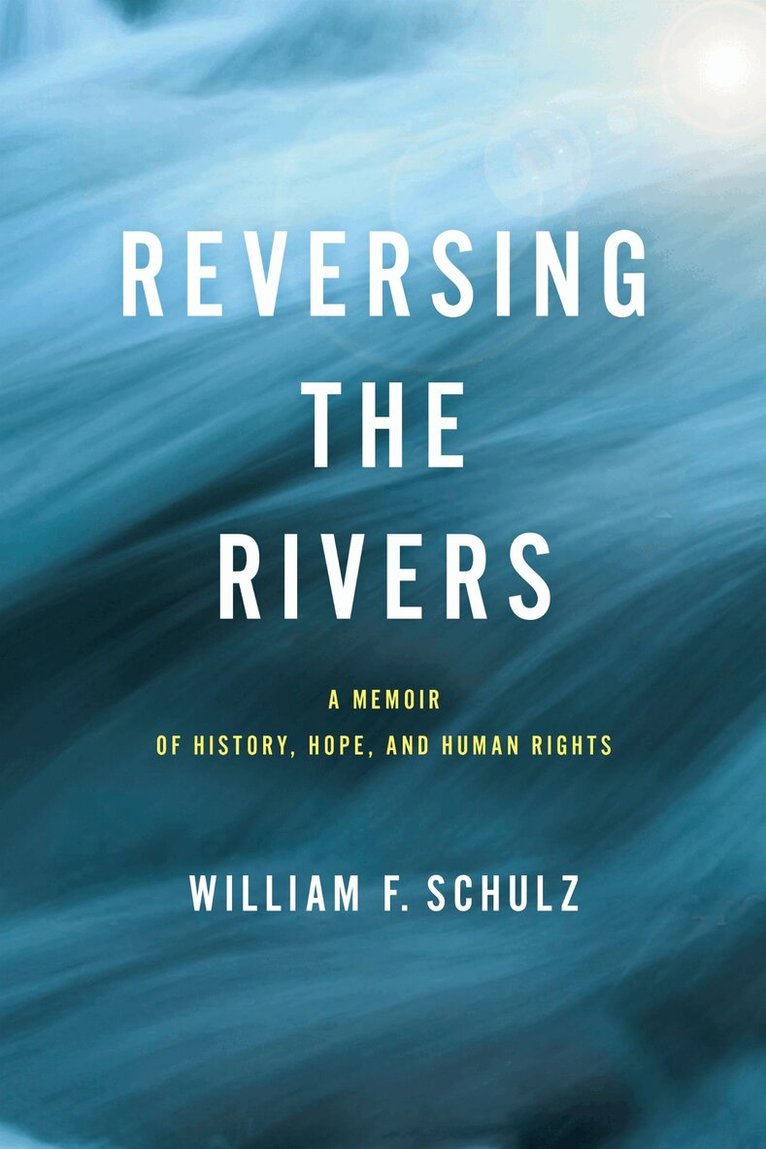
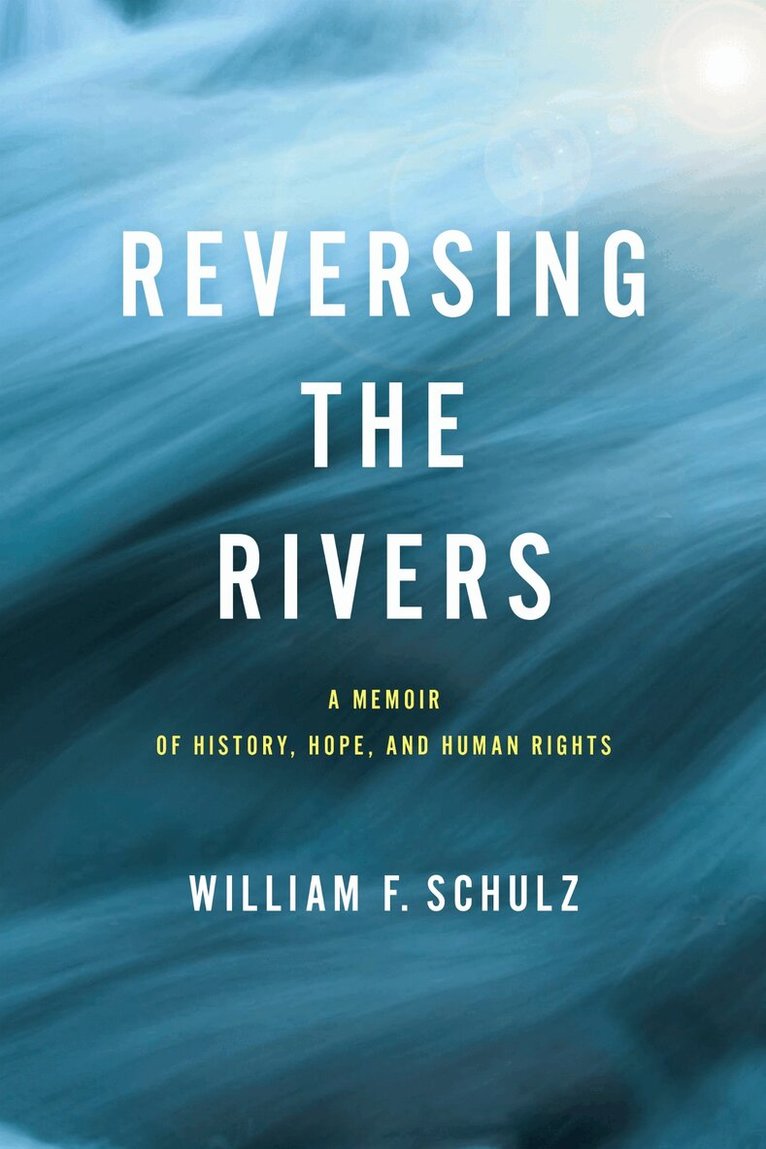
Reversing the Rivers
A Memoir of History, Hope, and Human Rights
Inbunden, 2023
483 kr
Lägg i varukorg
From 1994 to 2006, William F. Schulz headed Amnesty International USA. During this time, he and the organization confronted some of the greatest challenges to human rights, including genocides in Rwanda, Bosnia, and Sudan; controversies over the prison camp at Guantanamo Bay, Cuba, and the use of …
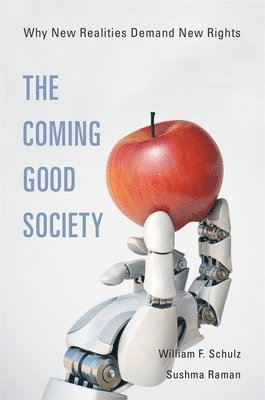
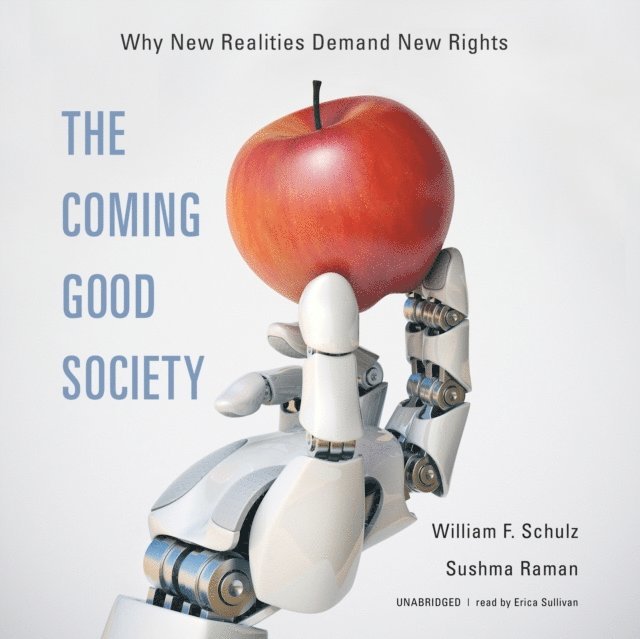
Coming Good Society
Why New Realities Demand New Rights
Av William F. Schulz, Sushma Raman
Inbunden, 2020
292 kr
Lägg i varukorg
Two authors with decades of experience promoting human rights argue that, as the world changes around us, rights hardly imaginable today will come into being.A rights revolution is under way. Today the range of nonhuman entities thought to deserve rights is exploding—not just animals but ecosystems …
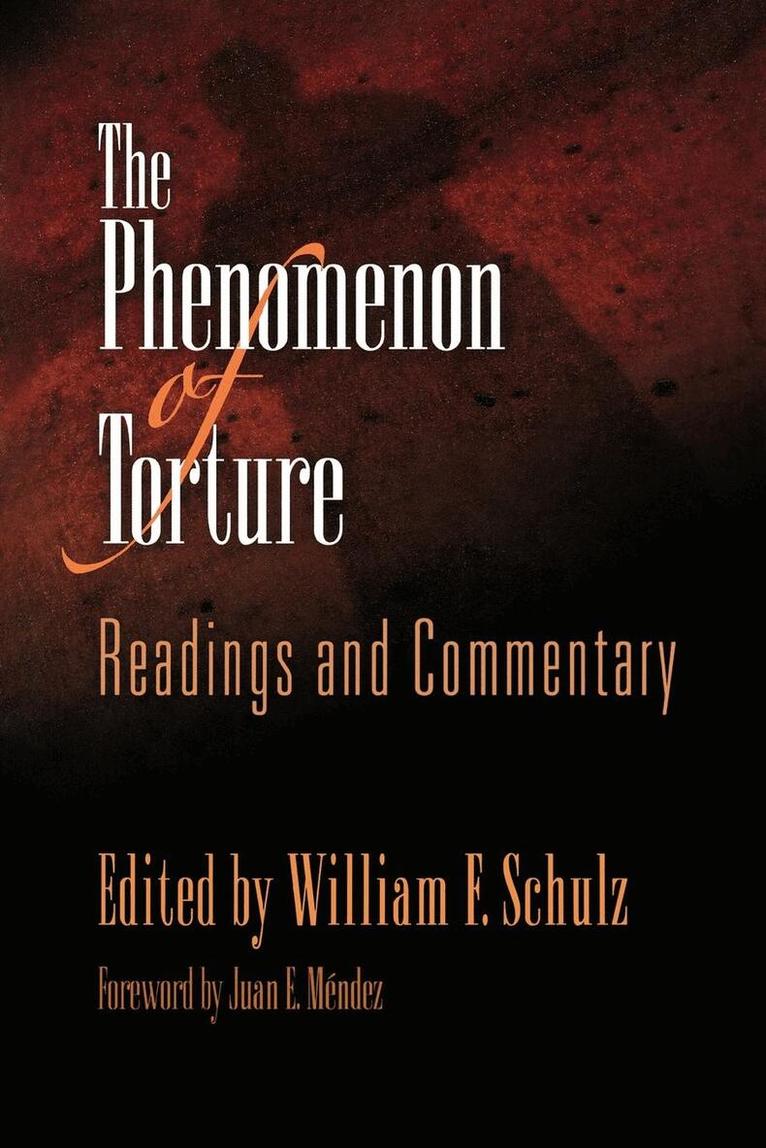
Phenomenon of Torture
Readings and Commentary
E-bok, 2013
913 kr
Lägg i varukorg
Torture is the most widespread human rights crime in the modern world, practiced in more than one hundred countries, including the United States. How could something so brutal, almost unthinkable, be so prevalent? The Phenomenon of Torture: Readings and Commentary is designed to answer that …
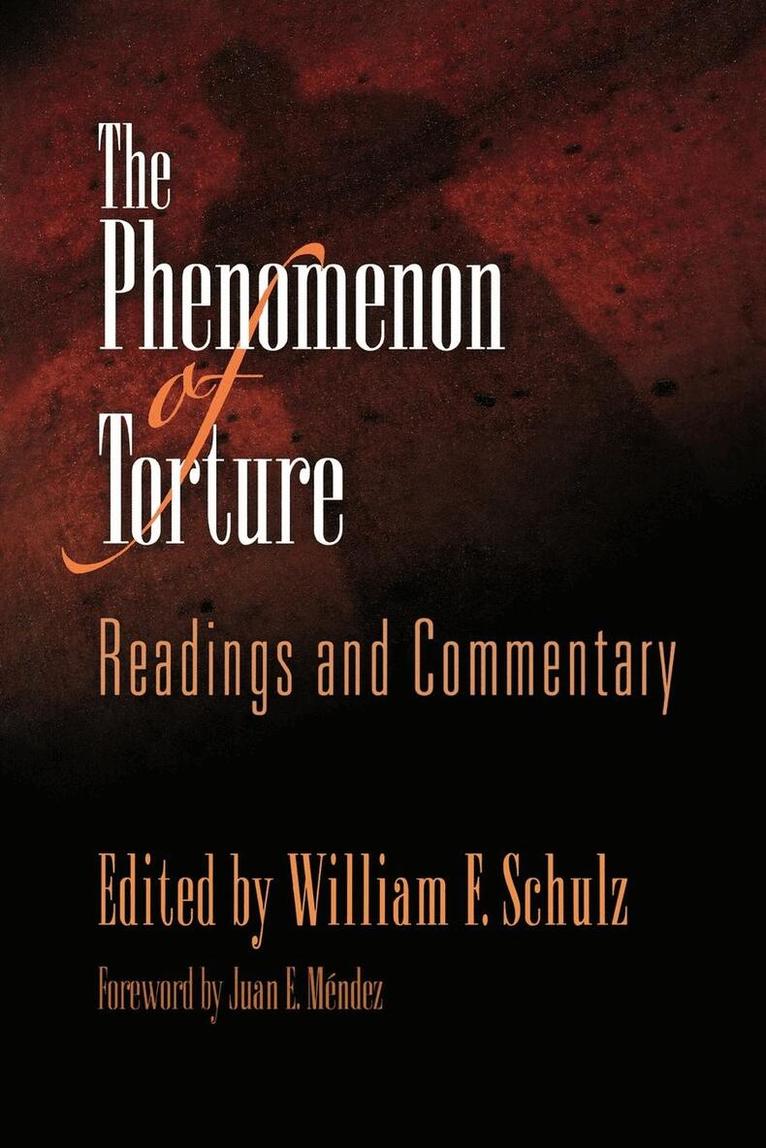
Phenomenon of Torture
Readings and Commentary
Häftad, 2007
769 kr
Lägg i varukorg
Torture is the most widespread human rights crime in the modern world, practiced in more than one hundred countries, including the United States. How could something so brutal, almost unthinkable, be so prevalent? The Phenomenon of Torture: Readings and Commentary is designed to answer that …
Reversing the Rivers
A Memoir of History, Hope, and Human Rights
E-bok, 2023
588 kr
Lägg i varukorg
From 1994 to 2006, William F. Schulz headed Amnesty International USA. During this time, he and the organization confronted some of the greatest challenges to human rights, including genocides in Rwanda, Bosnia, and Sudan; controversies over the prison camp at Guantanamo Bay, Cuba, and the use of …
Coming Good Society
Why New Realities Demand New Rights
Av Sushma Raman, William F. Schulz
Ljudbok, 2020
279 kr
Lägg i varukorg
Two authors with decades of experience promoting human rights argue that, as the world changes around us, rights hardly imaginable today will come into being. A rights revolution is under way. Today the range of nonhuman entities thought to deserve rights is exploding—not just animals but …