William Freedman – författare
Visar alla böcker från författaren William Freedman. Handla med fri frakt och snabb leverans.
10 produkter
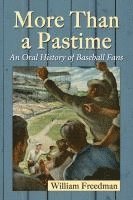
More Than a Pastime
An Oral History of Baseball Fans
Häftad, 2014
388 kr
Lägg i varukorg
Basing his claims on more than 130 in-depth interviews with baseball fans from ages 10 to 80, the author arrives at some extraordinary conclusions about the prismatic richness of the fan's experience of baseball and its importance in his or her life. The responses, 40 of which are reproduced in …
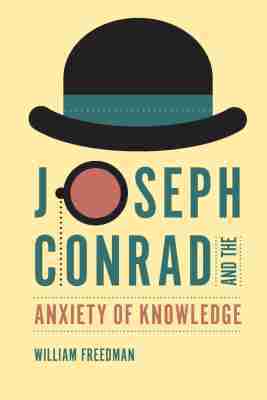
Joseph Conrad and the Anxiety of Knowledge
Inbunden, 2014
725 kr
Lägg i varukorg
Few if any writers in the English language have been cited, praised, chided, or marvelled at more routinely than Joseph Conrad for the perplexing evasiveness, contradictoriness, and indeterminacy of their fiction. William Freedman argues that the explanations typically offered for these identifying …
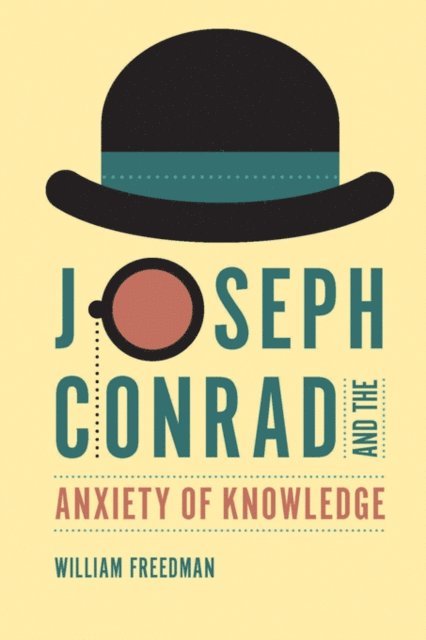
Joseph Conrad and the Anxiety of Knowledge
E-bok, 2014
747 kr
Lägg i varukorg
Few if any writers in the English language have been cited, praised, chided, or marveled at more routinely than Joseph Conrad for the perplexing evasiveness, contradictoriness, and indeterminacy of their fiction. William Freedman argues that the explanations typically offered for these identifying …
Supernaturalz
Weird Creepy & Random (A Novel)
Av William Freedman, Ben Parris
Häftad, 2014
101 kr
Lägg i varukorg
Supernaturalz: Weird Creepy & Random
Av William Freedman, Ben Parris
Häftad, 2018
219 kr
Lägg i varukorg
Supernaturalz Weird Creepy & Random
10th Anniversary Special Edition Book
Av William Freedman, Ben Parris
Häftad, 2021
118 kr
Lägg i varukorg
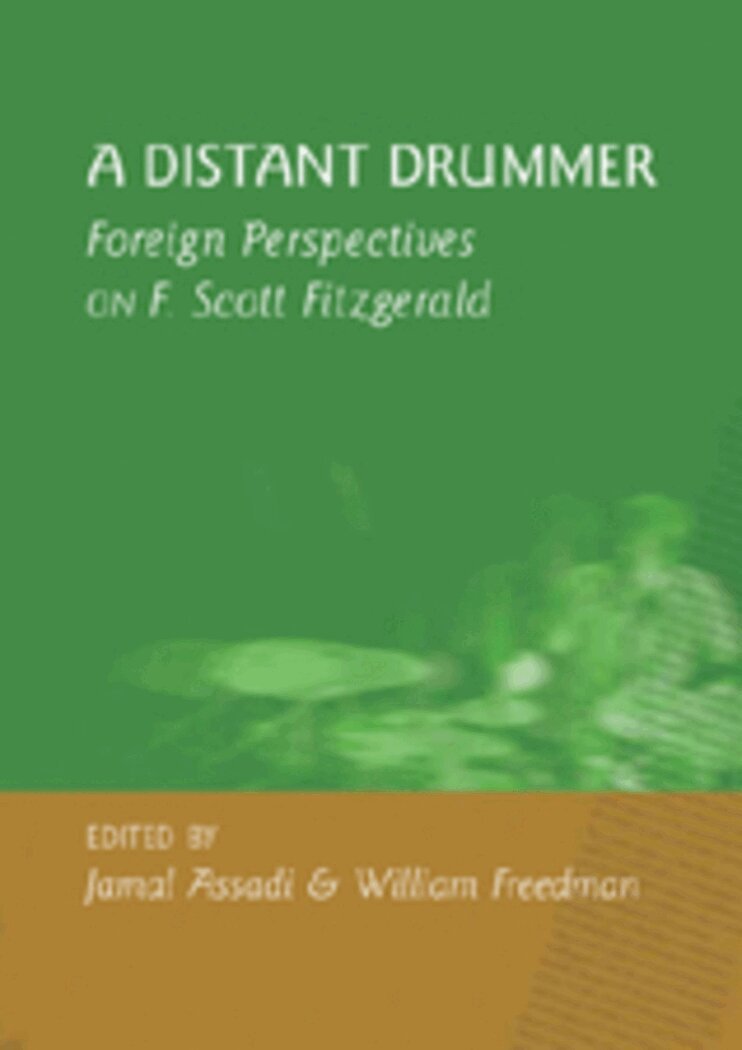
Distant Drummer
Foreign Perspectives on F. Scott Fitzgerald
Av Jamal Assadi, William Freedman
Inbunden, 2007
788 kr
Tillfälligt slut
A Distant Drummer attends more to F. Scott Fitzgerald’s aesthetic merits, ideas, style, techniques, context of his works and less to biographical details which, critics believe, are intricately interwoven within his works. In striving to respond to Fitzgerald’s artistry away from the impulse of the …