William F.S. Miles - Böcker
Visar alla böcker från författaren William F.S. Miles. Handla med fri frakt och snabb leverans.
3 produkter
3 produkter
643 kr
Skickas inom 10-15 vardagar
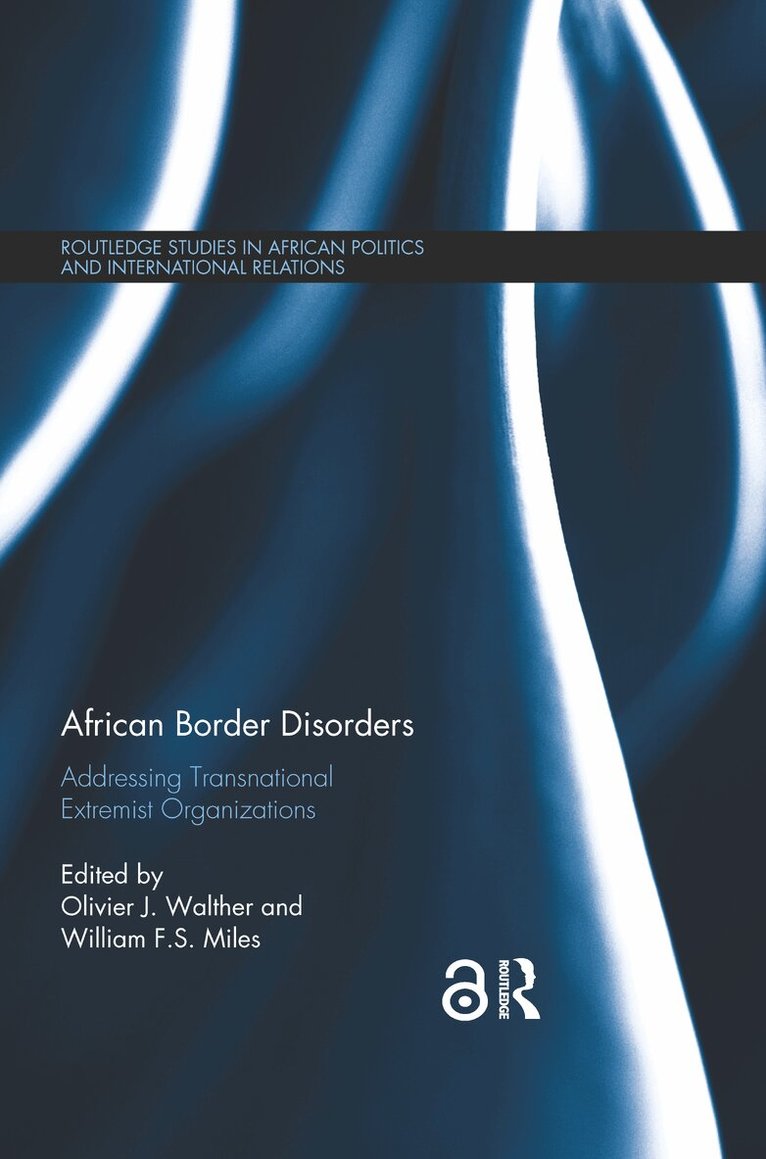
Since the end of the Cold War, the monopoly of legitimate organized force of many African states has been eroded by a mix of rebel groups, violent extremist organizations, and self-defence militias created in response to the rise in organized violence on the continent. African Border Disorders explores the complex relationships that bind states, transnational rebels and extremist organizations, and borders on the African continent. Combining cutting edge network science with geographical analysis, the first part of the book highlights how the fluid alliances and conflicts between rebels, violent extremist organizations and states shape in large measure regional patterns of violence in Africa. The second part of the book examines the spread of Islamist violence around Lake Chad through the lens of the violent Nigerian Islamist group Boko Haram, which has evolved from a nationally-oriented militia group, to an internationally networked organization. The third part of the book explores how violent extremist organizations conceptualize state boundaries and territory and, reciprocally, how do the civil society and the state respond to the rise of transnational organizations.The book will be essential reading for all students and specialists of African politics and security studies, particularly those specializing on fragile states, sovereignty, new wars, and borders as well as governments and international organizations involved in conflict prevention and early intervention in the region.
377 kr
Skickas inom 10-15 vardagar
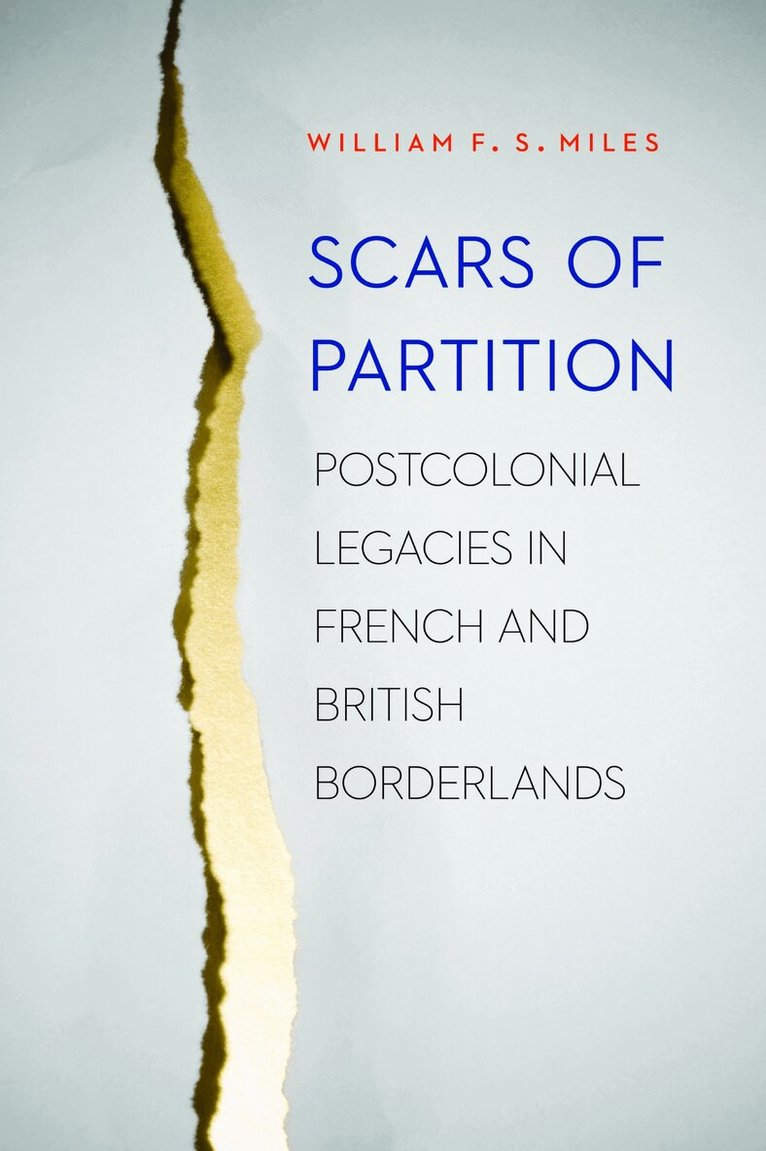
Based on three decades of fieldwork throughout the developing world, Scars of Partition is the first book to systematically evaluate the long-term implications of French and British styles of colonialism and decolonization for ordinary people throughout the so-called Third World. It pays particular attention to the contemporary legacies of artificial boundaries superimposed by Britain and France that continue to divide indigenous peoples into separate postcolonial states. In so doing, it uniquely illustrates how the distinctive stamps of France and Britain continue to mark daily life along and behind these inherited borders in Africa, Asia, Oceania, and the Caribbean.Scars of Partition draws on political science, anthropology, history, and geography to examine six cases of indigenous, indentured, and enslaved peoples partitioned by colonialism in West Africa, West Indies, South Pacific, Southeast Asia, South India, and the Indian Ocean. William F. S. Miles demonstrates that sovereign nations throughout the developing world, despite basic differences in culture, geography, and politics, still bear the underlying imprint of their colonial pasts. Disentangling and appreciating these embedded colonial legacies is critical to achieving full decolonization—particularly in their borderlands.
2 104 kr
Skickas inom 10-15 vardagar
Since the end of the Cold War, the monopoly of legitimate organized force of many African states has been eroded by a mix of rebel groups, violent extremist organizations, and self-defence militias created in response to the rise in organized violence on the continent. African Border Disorders explores the complex relationships that bind states, transnational rebels and extremist organizations, and borders on the African continent. Combining cutting edge network science with geographical analysis, the first part of the book highlights how the fluid alliances and conflicts between rebels, violent extremist organizations and states shape in large measure regional patterns of violence in Africa. The second part of the book examines the spread of Islamist violence around Lake Chad through the lens of the violent Nigerian Islamist group Boko Haram, which has evolved from a nationally-oriented militia group, to an internationally networked organization. The third part of the book explores how violent extremist organizations conceptualize state boundaries and territory and, reciprocally, how do the civil society and the state respond to the rise of transnational organizations.The book will be essential reading for all students and specialists of African politics and security studies, particularly those specializing on fragile states, sovereignty, new wars, and borders as well as governments and international organizations involved in conflict prevention and early intervention in the region.The Open Access version of this book, available at http://www.taylorfrancis.com, has been made available under a Creative Commons Attribution-Non Commercial-No Derivatives 4.0 license.