
William H. Wunner – författare
Visar alla böcker från författaren William H. Wunner. Handla med fri frakt och snabb leverans.
2 produkter
2 produkter
E-bok
PDF, Engelska, 20021 680 kr
Läs direkt efter köp
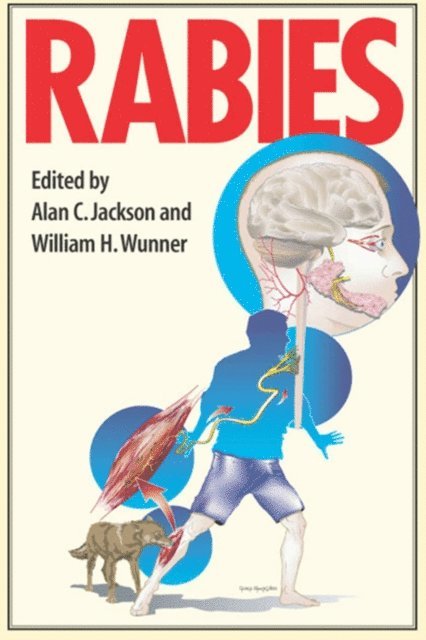
Rabies offers a complete account of one of the oldest known diseases threatening public health today. Unlike most research-oriented descriptions of rabies, this book provides a narrative about the disease and its etiologic agent, encompassing the historical background to recent developments. The emphasis on the basic biology and molecular virology of the disease is intended to convey an understanding of the underlying mechanisms involved in the disease - essential information for diagnosis and prevention strategies. Current methods used in defining geographic origins and animal species of rabies viruses in wildlife are presented, along with diagnostic methods for identifying the strain of virus based on its genomic sequence and antigenic structure. The latest approved methods for controlling rabies in wildlife species are also covered. This account of rabies will interest clinicians, public health advisors, epidemiologists, research scientists, and anyone involved in diagnosing, treating, controlling, and preventing this disease.Key Features* A history of rabies from antiquity to the modern era* Basic biology and molecular virology* Epidemiological aspects* Pathogenesis and pathology of the disease* Clinical manifestations and diagnostic evaluation in humans and animals* Preventive measures in humans and animals

E-bok
Engelska, 20101 573 kr
Läs direkt efter köp
Rabies is the most current and comprehensive account of one of the oldest diseases known that remains a significant public health threat despite the efforts of many who have endeavored to control it in wildlife and domestic animals. During the past five years since publication of the first edition there have been new developments in many areas on the rabies landscape. This edition takes on a more global perspective with many new authors offering fresh outlooks on each topic. Clinical features of rabies in humans and animals are discussed as well as basic science aspects, molecular biology, pathology, and pathogenesis of this disease. Current methods used in defining geographic origins and animal species infected in wildlife are presented, along with diagnostic methods for identifying the strain of virus based on its genomic sequence and antigenic structure. This multidisciplinary account is essential for clinicians as well as public health advisors, epidemiologists, wildlife biologists, and research scientists wanting to know more about the virus and the disease it causes.- Offers a unique global perspective on rabies where dog rabies is responsible for killing more people than yellow- More than 7 million people are potentially exposed to the virus annually and about 50,000 people, half of them children, die of rabies each year- New edition includes greatly expanded coverage of bat rabies which is now the most prominent source of human rabies in the New World and Western Europe, where dog rabies has been controlled- Recent successes of controlling wildlife rabies with an emphasis on prevention is discussed- Approximately 40% updated material incorporates recent knowledge on new approaches to therapy of human rabies as well as issues involving organ and tissue transplantation- Includes an increase in illustrations to more accurately represent this diseases'' unique horror