William J. Murphy – författare
Visar alla böcker från författaren William J. Murphy. Handla med fri frakt och snabb leverans.
7 produkter
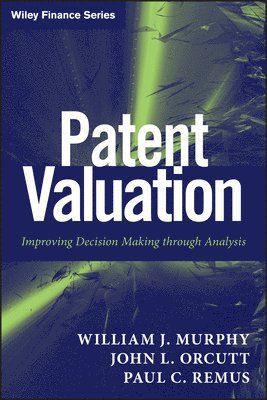
Patent Valuation
Improving Decision Making through Analysis
Av William J. Murphy, John L. Orcutt m. fl.
Inbunden, 2012
859 kr
Lägg i varukorg
A practical resource for valuing patents that is accessible to the complete spectrum of decision makers in the patent process In today's economy, patents tend to be the most important of the intellectual property (IP) assets. It is often the ability to create, manage, defend, and extract value from …
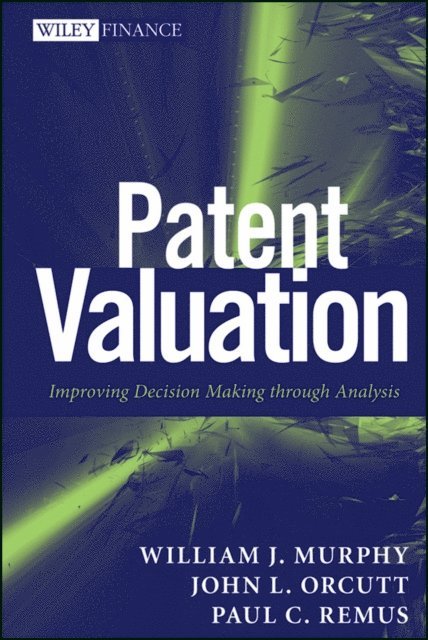
Patent Valuation
Improving Decision Making through Analysis
Av Paul C. Remus, John L. Orcutt m. fl.
E-bok, 2012
743 kr
Lägg i varukorg
A practical resource for valuing patents that is accessible to the complete spectrum of decision makers in the patent process In today''s economy, patents tend to be the most important of the intellectual property (IP) assets. It is often the ability to create, manage, defend, and extract value …
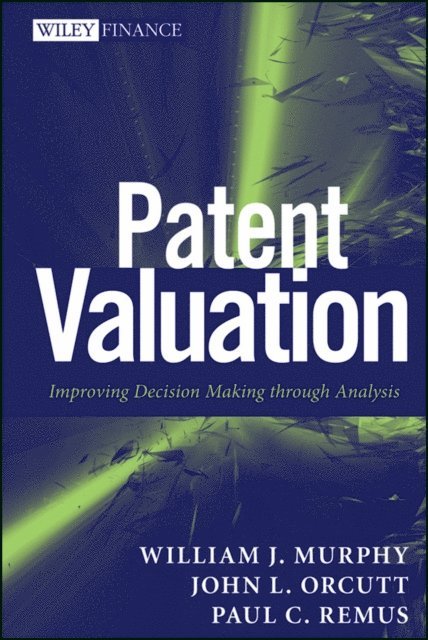
Patent Valuation
Improving Decision Making through Analysis
Av Paul C. Remus, John L. Orcutt m. fl.
E-bok, 2012
727 kr
Lägg i varukorg
A practical resource for valuing patents that is accessible to the complete spectrum of decision makers in the patent process In today''s economy, patents tend to be the most important of the intellectual property (IP) assets. It is often the ability to create, manage, defend, and extract value …
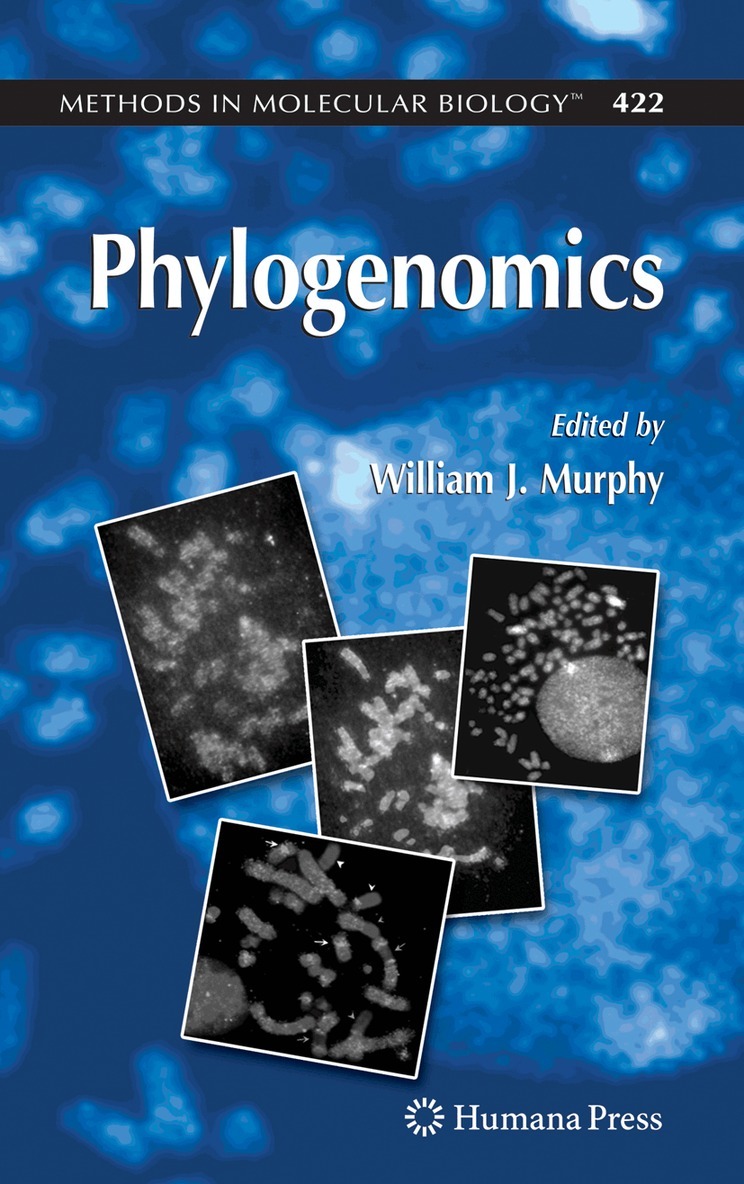
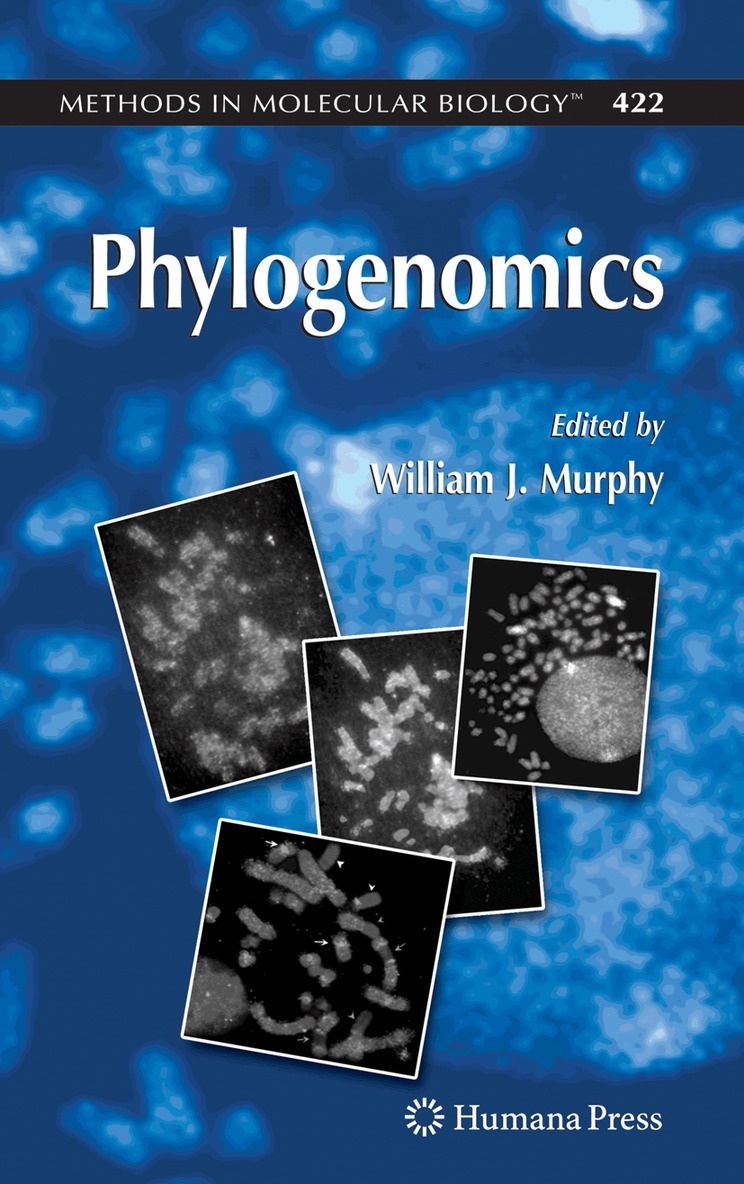
Phylogenomics
Inbunden, 2008
1098 kr
Lägg i varukorg
The past decade has seen the emergence of a new field of scientific inquiry at the intersection of phylogenetics and genomics: phylogenomics. From one perspective, phylogenomics is defined as the use of large genomic data sets to aid in difficult phylogeny problems. Alternatively, phylogenomics may …
Phylogenomics
E-bok, 2008
1502 kr
Lägg i varukorg
The past decade has seen the emergence of a new field of scientific inquiry at the intersection of phylogenetics and genomics: phylogenomics. From one perspective, phylogenomics is defined as the use of large genomic data sets to aid in difficult phylogeny problems. Alternatively, phylogenomics may …
Phylogenomics
Häftad, 2010
1131 kr
Lägg i varukorg
The past decade has seen the emergence of a new field of scientific inquiry at the intersection of phylogenetics and genomics: phylogenomics. From one perspective, phylogenomics is defined as the use of large genomic data sets to aid in difficult phylogeny problems. Alternatively, phylogenomics may …