William J. Peterson - Böcker
Visar alla böcker från författaren William J. Peterson. Handla med fri frakt och snabb leverans.
2 produkter
2 produkter
Del 5 - Eastman Studies in Music
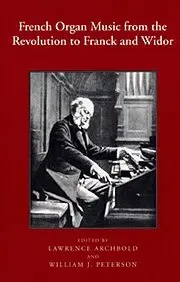
French Organ Music from the Revolution to Franck and Widor
Häftad, Engelska, 1995
350 kr
Skickas inom 10-15 vardagar
Essays by prominent scholars and organists examine the music of Franck and other nineteenth-century French organist-composers through stylistic analysis, study of compositional process, and exploration of how ideas about organ technique and performance-practice traditions developed and became codified.Nineteenth-century French organ music attracts an ever-increasing number of performers and devotees. The music of Cesar Franck and other distinguished composers-Boëly, Guilmant, Widor-and the impact upon this repertoire of the organ-building achievements of Aristide Cavaillé-Coll, are here explored through stylistic analysis, the study of the compositional process, and the exploration of how ideas about organ technique and performance practice traditions developed and became codified. New consideration is also given to the political and cultural contexts within which Franck and other French organist-composers worked. Contributors: Kimberley Marshall, William J. Peterson,Benjamin van Wye, Craig Cramer, Jesse E. Eschbach, Karen Hastings-Deans, Marie-Louise Jaquet-Langlasi, Daniel Roth, Edward Zimmerman, Lawrence Archbold, Rollin Smith
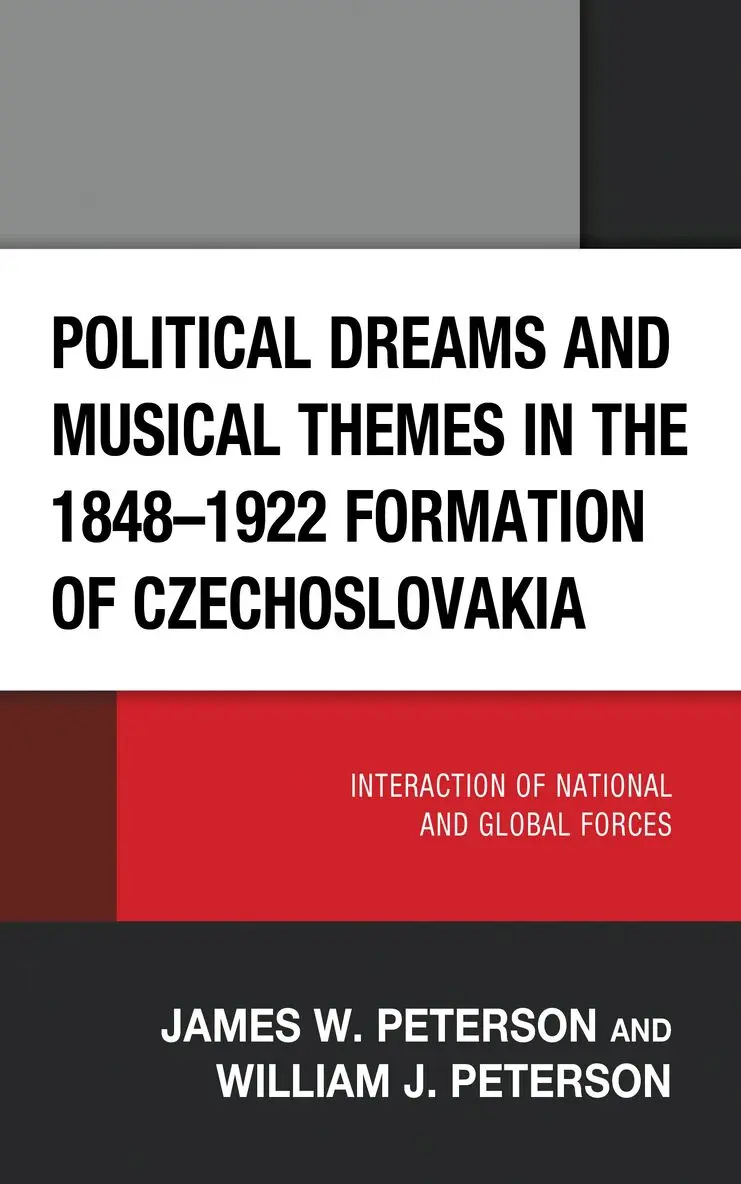
Political Dreams and Musical Themes in the 1848–1922 Formation of Czechoslovakia
Interaction of National and Global Forces
Inbunden, Engelska, 2023
1 039 kr
Skickas inom 10-15 vardagar
Political Dreams and Musical Themes in the 1848–1922 Formation of Czechoslovakia: Interaction of National and Global Forces characterizes the 1918–22 formation of Czechoslovakia as a consequence of political and musical expressions. Nationalist expressions and formations were striking after the 1848 Revolution. The authors explore how the music of Smetana, Janácek, and Dvorák inspired people with reminders about the important achievements of past Bohemian leaders. Under the control of the Vienna-based Habsburg Empire, Czech leaders also achieved more political representation in both Habsburg and Bohemian legislatures, and Slovaks made some national progress in at least asserting their demands to Budapest and its controlling Magyar Empire. During the early twentieth century, there was additional pressure to link up these nationalist movements in both music and politics with regional “modernist” approaches that were increasingly popular in other parts of Europe. The outbreak of World War I in 1914 opened up opportunities, such as joint participation in the Czechoslovak Legion, for the two key ethnic groups to forge a Czechoslovak state. Independence took place, with considerable western support, on October 28, 1918, and the commemorative concert two days later of compositions by Josef Suk put the final stamp on a considerable achievement that bore the hallmarks of globalism as well as nationalism.