William J. Stull – författare
Visar alla böcker från författaren William J. Stull. Handla med fri frakt och snabb leverans.
6 produkter
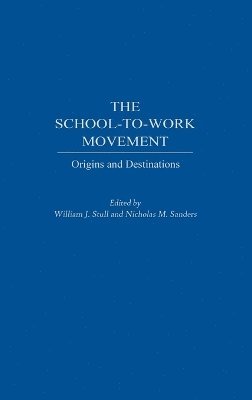
School-to-Work Movement
Origins and Destinations
Av Theodore M. Vestal, William J. Stull m. fl.
Inbunden, 2003
1173 kr
Lägg i varukorg
The School-to-Work movement came together as a major national force for educational reform in the late 1980s and reached its peak in 1994 with the passage of the School-to-Work Opportunities Act. Throughout the 1990s, the movement had a substantial record of creativity and accomplishment. Among …
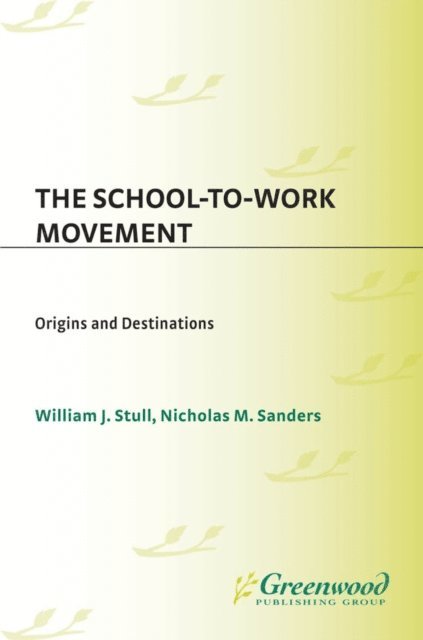
School-to-Work Movement
Origins and Destinations
Av William J. Stull, Nicholas M. Sanders
E-bok, 2003
1260 kr
Lägg i varukorg
The School-to-Work movement came together as a major national force for educational reform in the late 1980s and reached its peak in 1994 with the passage of the School-to-Work Opportunities Act. Throughout the 1990s, the movement had a substantial record of creativity and accomplishment. Among …
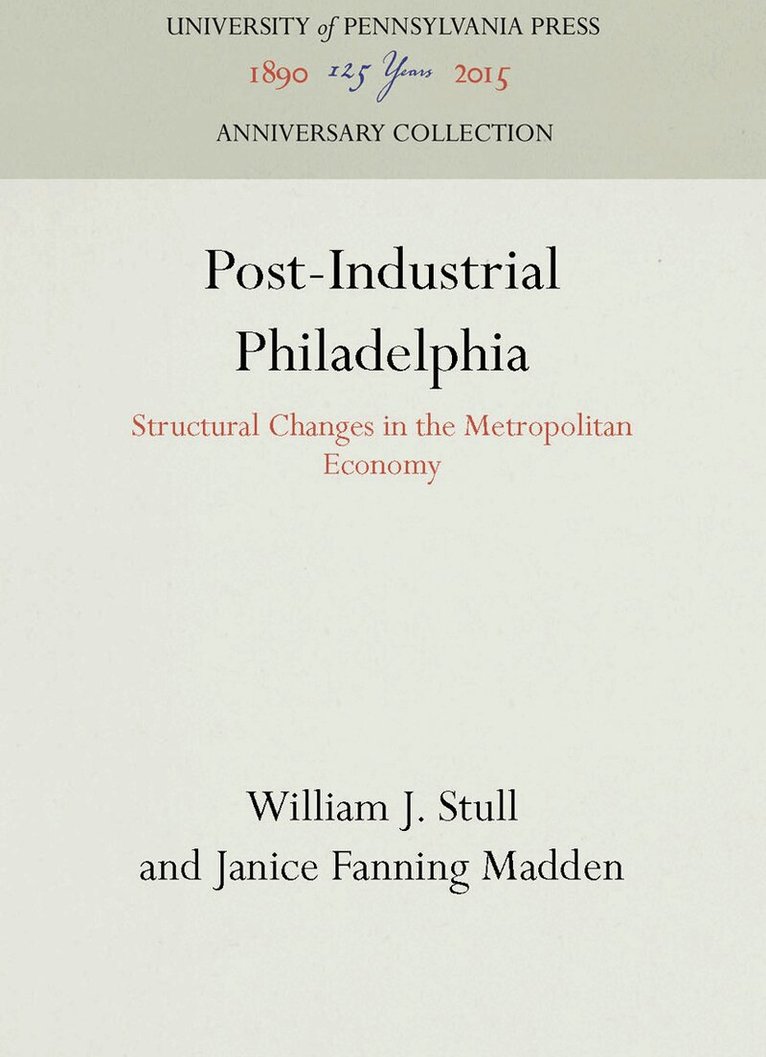
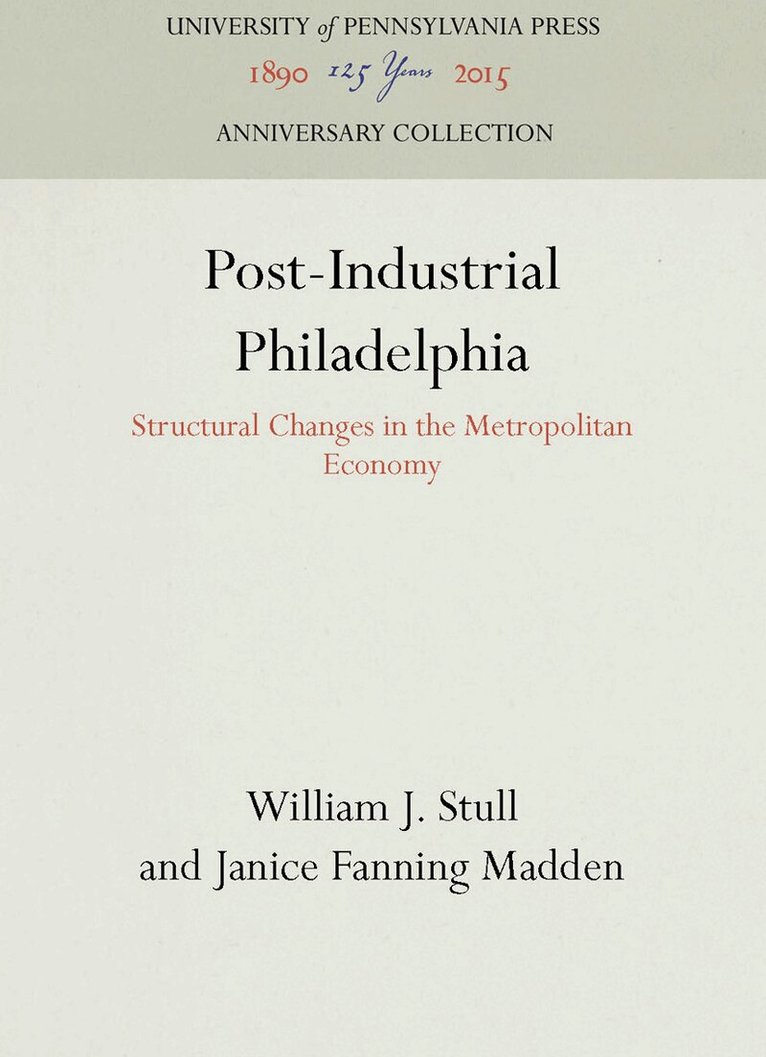
Post-Industrial Philadelphia
Structural Changes in the Metropolitan Economy
Av William J. Stull, Janice Fanning Madden
Inbunden, 1990
1080 kr
Lägg i varukorg
The fourth report of the Temple-Penn Philadelphia Economic Monitoring Project continues the work of the Wharton Philadelphia Economic Monitoring Project, which began in 1984. This volume examines the manufacturing and service industries that have experienced employment growth in the region. Through …
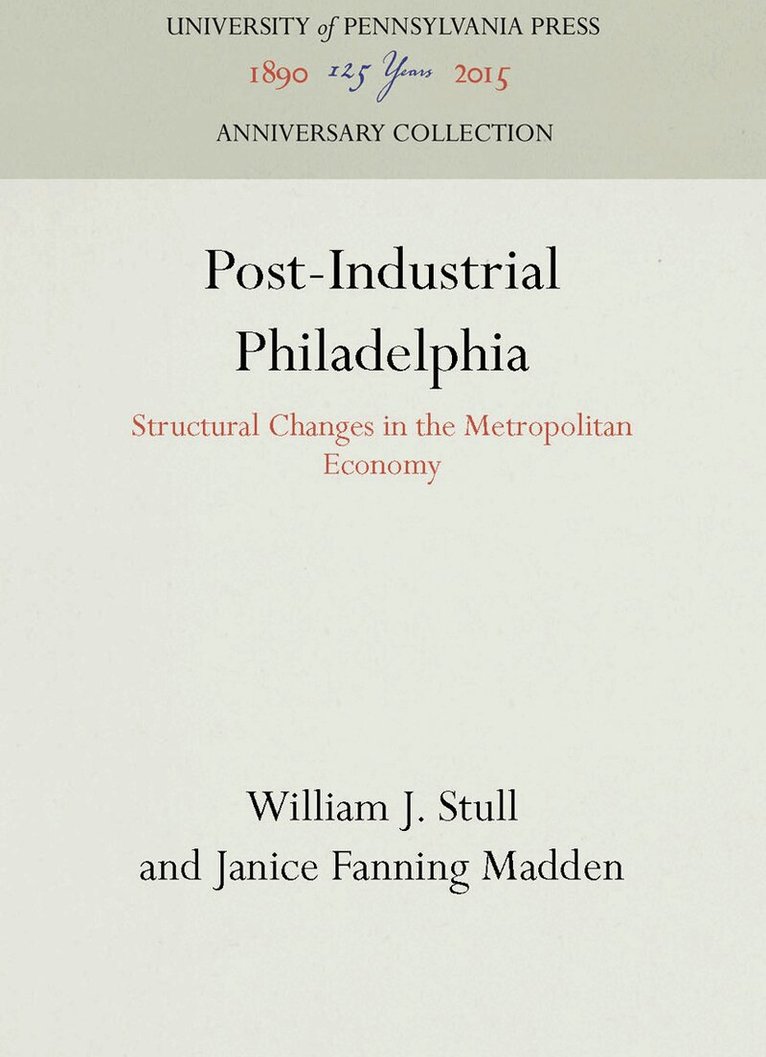
Post-Industrial Philadelphia
Structural Changes in the Metropolitan Economy
Av William J. Stull, Janice Fanning Madden
E-bok, 2016
1308 kr
Lägg i varukorg
The fourth report of the Temple-Penn Philadelphia Economic Monitoring Project continues the work of the Wharton Philadelphia Economic Monitoring Project, which began in 1984. This volume examines the manufacturing and service industries that have experienced employment growth in the region. Through …
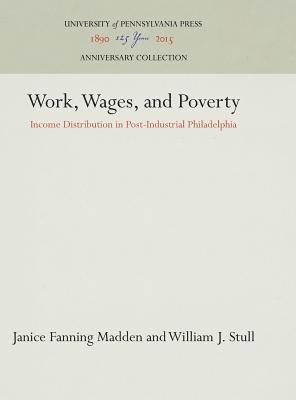
Work, Wages, and Poverty
Income Distribution in Post-Industrial Philadelphia
Av Janice Fanning Madden, William J. Stull
Inbunden, 2016
912 kr
Lägg i varukorg
The authors analyze how the industrial shift toward services and the deconcentration of the Philadelphia region's employment and population affected the distribution of income during the 1980s.
Post-Industrial Philadelphia
Structural Changes in the Metropolitan Economy
Av William J. Stull, Janice Fanning Madden
Inbunden, 2016
903 kr
Tillfälligt slut
The fourth report of the Temple-Penn Philadelphia Economic Monitoring Project continues the work of the Wharton Philadelphia Economic Monitoring Project, which began in 1984. This volume examines the manufacturing and service industries that have experienced employment growth in the region. Through …