William K. Tabb – författare
Visar alla böcker från författaren William K. Tabb. Handla med fri frakt och snabb leverans.
16 produkter
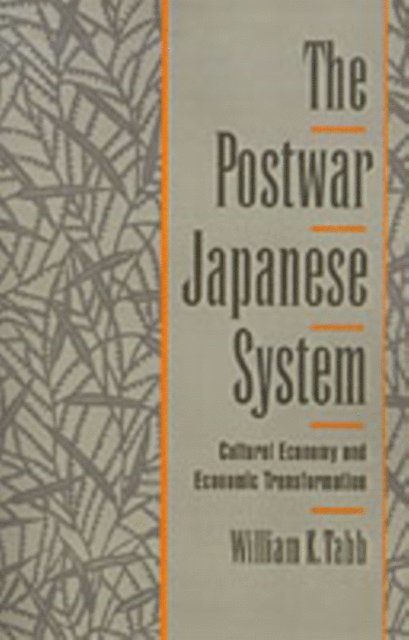
Postwar Japanese System
Cultural Economy and Economic Transformation
E-bok, 1995
899 kr
Lägg i varukorg
While other industrialized and developing countries look towards Japan as an economic model, the political, cultural, and social arrangements that have so far allowed Japan to succeed are eroding. In particular, Japan faces a system of industrial relations that places great strain on all of …
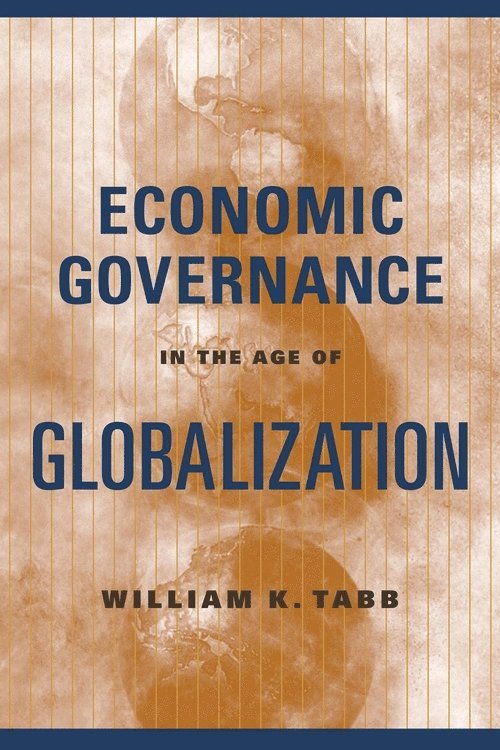
Economic Governance in the Age of Globalization
Inbunden, 2004
1333 kr
Lägg i varukorg
Rapid growth, reduced poverty, and stable societies: the announced benefits of the world economy celebrated by neoliberal proponents of "the Washington consensus" have failed to materialize. What does this failure mean for future world order and the U.S. role as global hegemon? Addressing this …
Economic Governance in the Age of Globalization
Häftad, 2004
449 kr
Lägg i varukorg
Rapid growth, reduced poverty, and stable societies: the announced benefits of the world economy celebrated by neoliberal proponents of "the Washington consensus" have failed to materialize. What does this failure mean for future world order and the U.S. role as global hegemon? Addressing this …
Economic Governance in the Age of Globalization
E-bok, 2004
682 kr
Lägg i varukorg
Rapid growth, reduced poverty, and stable societies: the announced benefits of the world economy celebrated by neoliberal proponents of "the Washington consensus" have failed to materialize. What does this failure mean for future world order and the U.S. role as global hegemon? Addressing this …
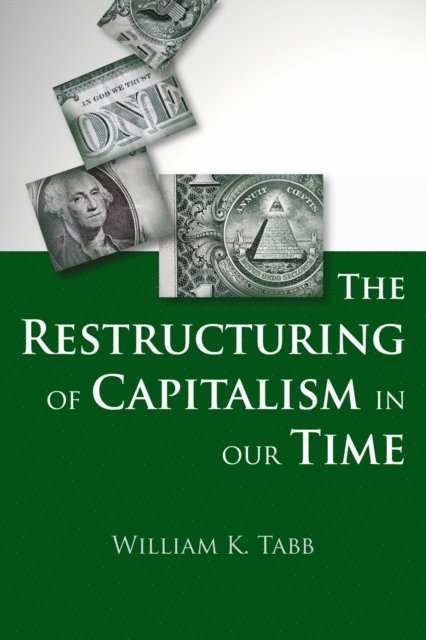
Restructuring of Capitalism in Our Time
E-bok, 2012
729 kr
Lägg i varukorg
Actions taken by the United States and other countries during the Great Recession focused on restoring the viability of major financial institutions while guaranteeing debt and stimulating growth. Once the markets stabilized, the United States enacted regulatory reforms that ultimately left basic …
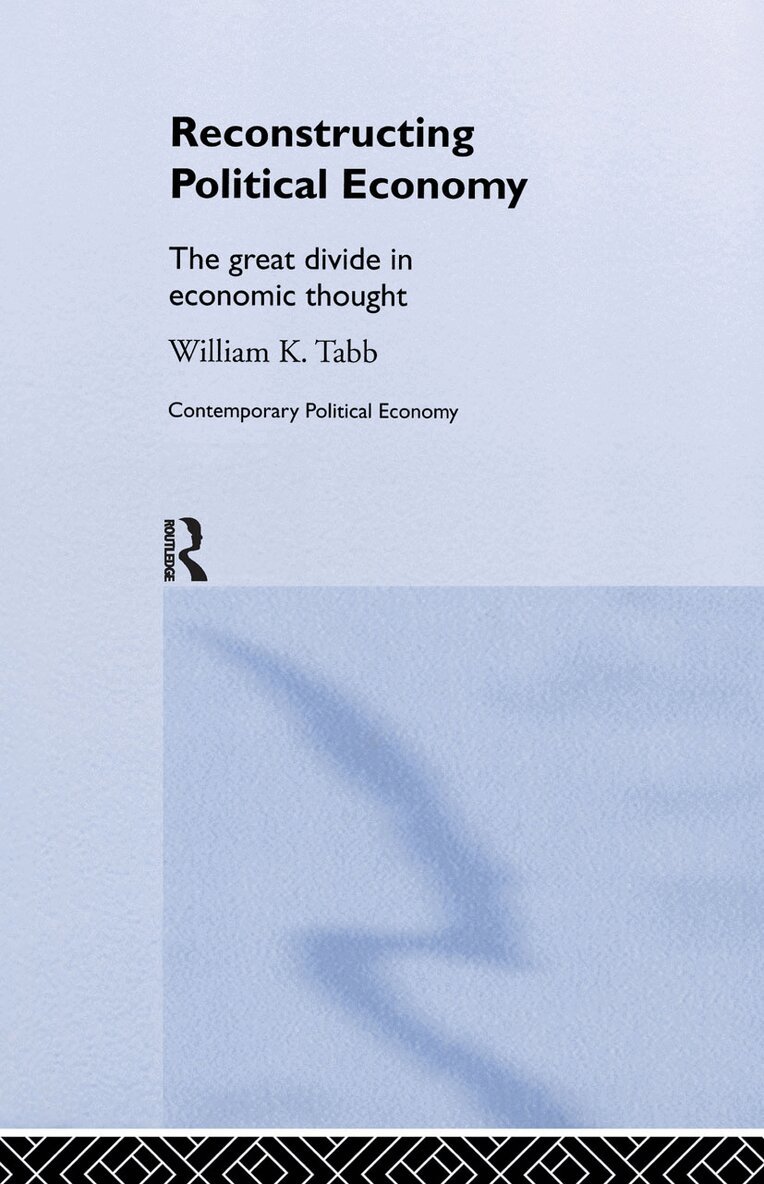
Reconstructing Political Economy
The Great Divide in Economic Thought
Inbunden, 1999
3147 kr
Lägg i varukorg
This volume offers an original perspective on the questions the great economists have asked and looks at their significance for todays world. Written in a provocative and accessible style, it examines how the diverse traditions of political economy have conceptualised economic issues, events and …
Reconstructing Political Economy
The Great Divide in Economic Thought
Häftad, 1999
949 kr
Lägg i varukorg
This volume offers an original perspective on the questions the great economists have asked and looks at their significance for todays world. Written in a provocative and accessible style, it examines how the diverse traditions of political economy have conceptualised economic issues, events and …
Past Imperfect
French Intellectuals, 1944-1956
Häftad, 2011
389 kr
Lägg i varukorg
Tony Judt provides a sharp and intellectual ideological description of mid-twentieth century French intellectuals"Past Imperfect is a forthright and uncommonly damning study of those intellectually volatile years [1944-1956]. Mr. Judt…does more than simply describe the ideological acrobats of his …
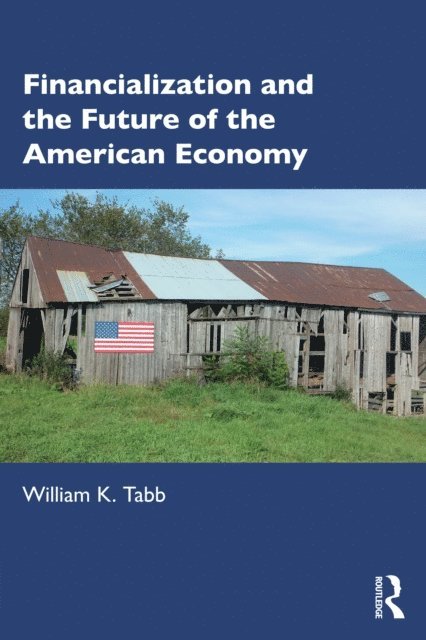
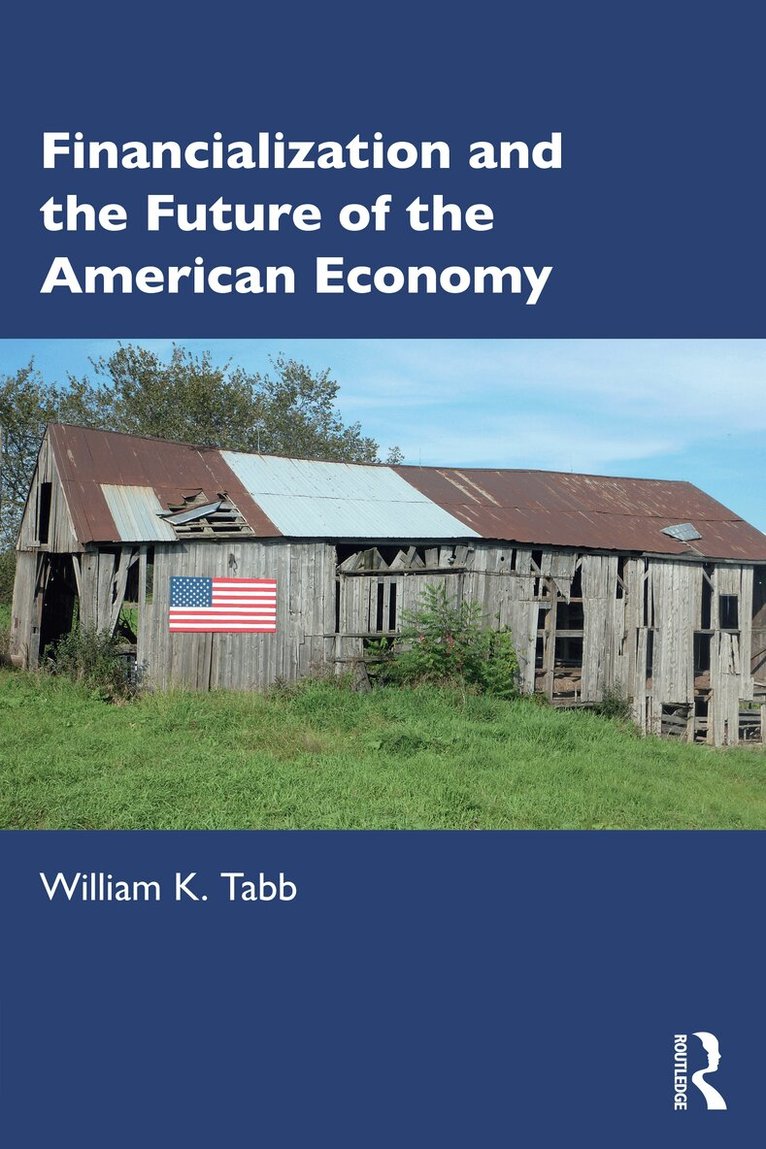
Financialization and the Future of the American Economy
E-bok, 2023
785 kr
Lägg i varukorg
Financialization is a set of processes which has led to a financially driven and commodified economy with rising inequality, tax avoidance, and a lack of investment in the physical and social infrastructure. Given the influence of money politics, and the secular increase in the burden of debt, …
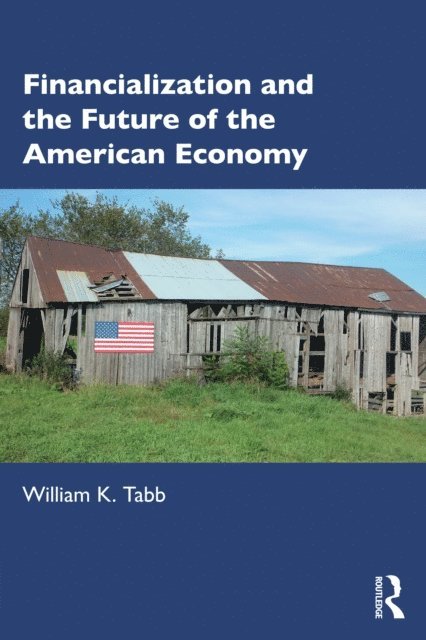
Financialization and the Future of the American Economy
E-bok, 2023
785 kr
Lägg i varukorg
Financialization is a set of processes which has led to a financially driven and commodified economy with rising inequality, tax avoidance, and a lack of investment in the physical and social infrastructure. Given the influence of money politics, and the secular increase in the burden of debt, …
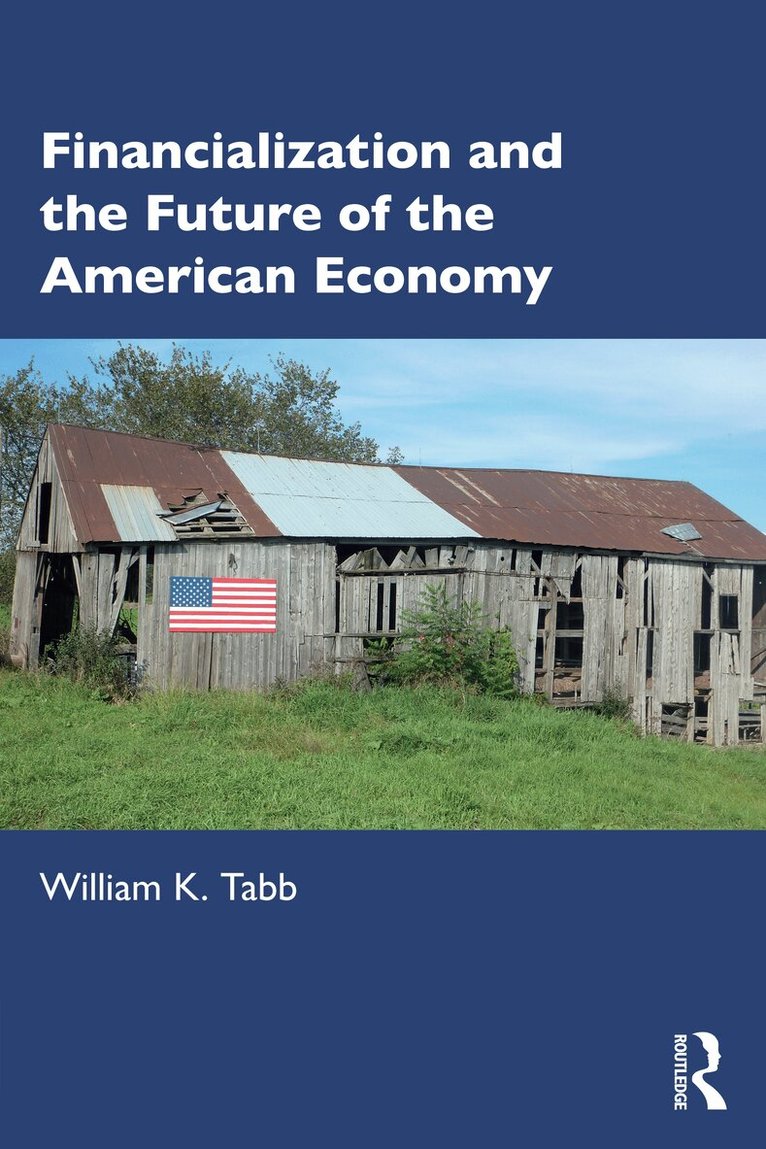
Financialization and the Future of the American Economy
Häftad, 2023
648 kr
Lägg i varukorg
Financialization is a set of processes which has led to a financially driven and commodified economy with rising inequality, tax avoidance, and a lack of investment in the physical and social infrastructure. Given the influence of money politics, and the secular increase in the burden of debt, …
Financialization and the Future of the American Economy
Inbunden, 2023
2512 kr
Lägg i varukorg
Financialization is a set of processes which has led to a financially driven and commodified economy with rising inequality, tax avoidance, and a lack of investment in the physical and social infrastructure. Given the influence of money politics, and the secular increase in the burden of debt, …
Reconstructing Political Economy
The Great Divide in Economic Thought
E-bok, 2002
1099 kr
Lägg i varukorg
This volume offers an original perspective on the questions the great economists have asked and looks at their significance for todays world. Written in a provocative and accessible style, it examines how the diverse traditions of political economy have conceptualised economic issues, events and …
Reconstructing Political Economy
The Great Divide in Economic Thought
E-bok, 2002
1099 kr
Lägg i varukorg
This volume offers an original perspective on the questions the great economists have asked and looks at their significance for todays world. Written in a provocative and accessible style, it examines how the diverse traditions of political economy have conceptualised economic issues, events and …