William M. Last - Böcker
Visar alla böcker från författaren William M. Last. Handla med fri frakt och snabb leverans.
8 produkter
8 produkter
Tracking Environmental Change Using Lake Sediments
Volume 1: Basin Analysis, Coring, and Chronological Techniques
Inbunden, Engelska, 2002
1 593 kr
Skickas inom 10-15 vardagar
Origins of fallout radionuclides Sediment records of fallout radionuclides Simple dating models Vertical mixing Numerical techniques Radiometric techniques Discussion Summary Acknowledgements References 10. chronostratigraphic techniques in paleolimnology. Svante Bjorck & Barbara Wohlfarth 205 Introduction Methods and problems Radiocarbon-dating different fractions of the sediment as a chronostratigraphic tool Dating of long (old) stratigraphies High resolution dating and wiggle matching dating versus absolute dating techniques of lacustrine sediments Concluding remarks Summary Useful www addresses Acknowledgements References 11. Varve chronology techniques. Scott Lamoureux 247 Introduction Methods Summary and future directions Acknowledgements References 12. Luminescence dating. Olav B. Lian & D. J. Huntley 261 Introduction The mechanism responsible for luminescence Dating and estimation of the paleodose Thermoluminescence dating Optical dating Evaluating the environmental dose rate xi Sample collection and preparation What types of depositional environments are suitable for luminescence dating? What can lead to an inaccurate optical age? Summary Acknowledgements References 13.Electron spin resonance (ESR) dating in lacustrine environments. Bonnie A. B. Blackwell 283 Introduction Principles of ESR analysis Sample collection ESR analysis ESR microscopy and other new techniques Applications and datable materials in limnological settings Summary Acknowledgements References 14. Use of paleomagnetism in studies of lake sediments. John King & John Peck 371 Introduction Recording fidelity of geomagnetic behavior by sediments Field and laboratory methods Holocene SV records Magnetostratigraphic studies of Neogene lake sediments Excursions, short events and relative paleointensity Conclusions Summary References 15. Amino acid racemization (AAR) dating and analysis in lacustrine environments.
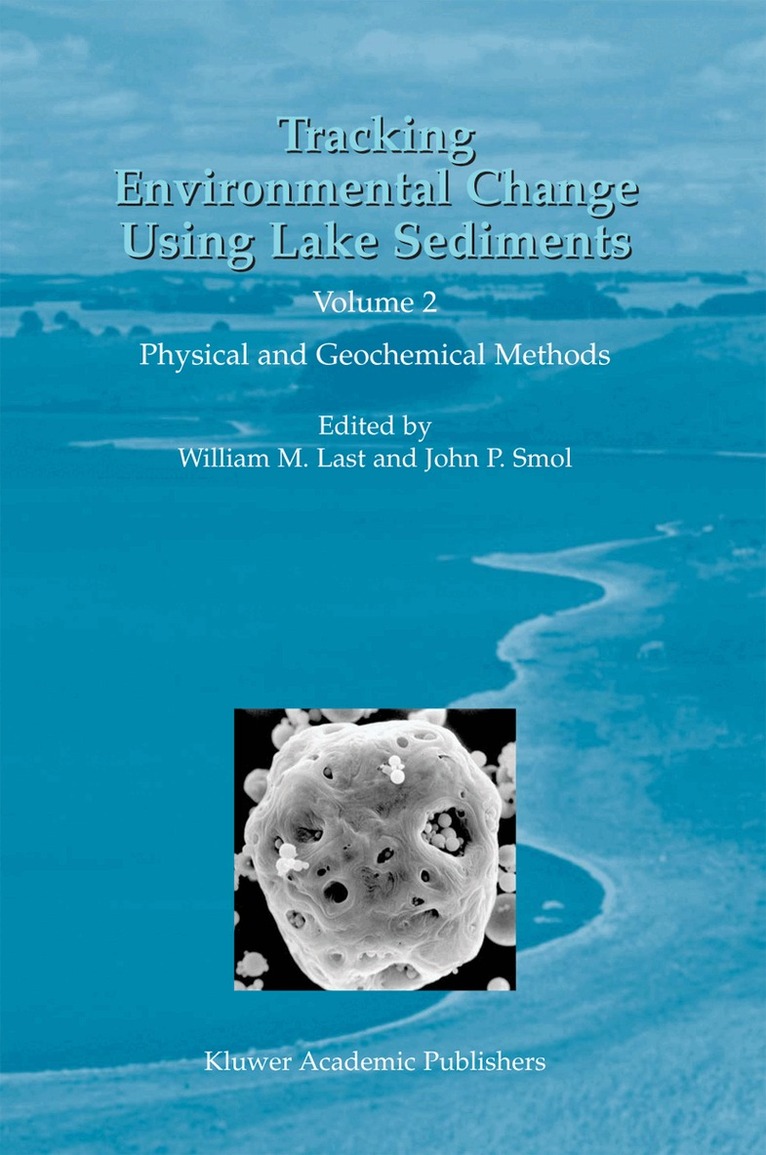
Tracking Environmental Change Using Lake Sediments
Volume 2: Physical and Geochemical Methods
Inbunden, Engelska, 2002
1 593 kr
Skickas inom 10-15 vardagar
This volume of the "Developments in Paleoenvironmental Research" series deals mainly with physical and geochemical analytical techniques used in palaeolimnology. Other volumes deal with the acquisition and archiving of cores, chronological techniques and large-scale basin analysis methods, biological techniques and statistical and data handling methods. These monographs should provide sufficient detail and breadth to be useful handbooks for both seasoned practitioners as well as newcomers to the area of palaeolimnology. Although the chapters in these volumes target mainly lacustrine settings, many of the techniques described can also be readily applied to fluvial, glacial, marine, estuarine and peatland environments.
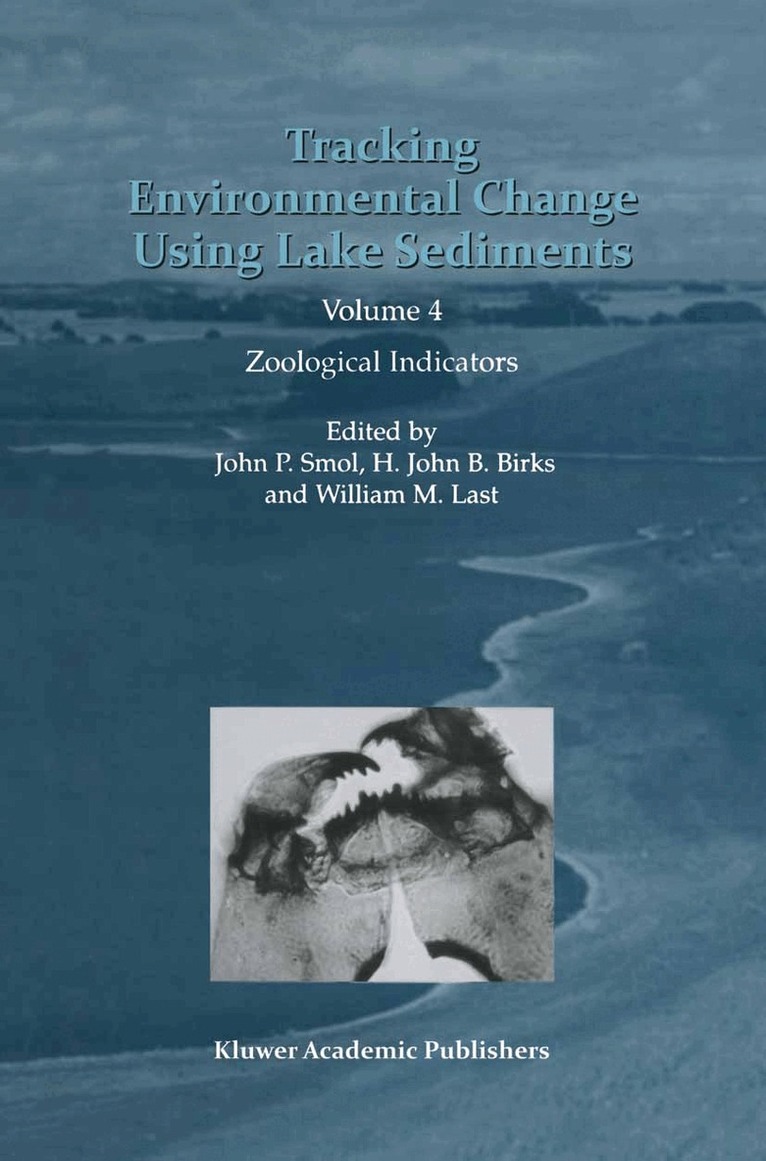
Tracking Environmental Change Using Lake Sediments
Volume 4: Zoological Indicators
Inbunden, Engelska, 2002
1 593 kr
Skickas inom 10-15 vardagar
This volume of the "Developments in Paleoenvironmental Research" series deals with the major zoological indicators used in palaeolimnology. Other volumes deal with the acquisition and archiving of lake sediment cores, chronological techniques, large-scale basin analysis methods, physical and geochemical parameters and methods, terrestrial, algal and siliceous indicators and statistical and data handling methods. These monographs should provide sufficient detail and breadth to be useful handbooks for both seasoned practitioners as well as newcomers to the area of palaeolimnology. Although the chapters in these volumes target mainly lacustrine settings, many of the techniques described can also be readily applied to fluvial, glacial, marine, estuarine and peatland environments.
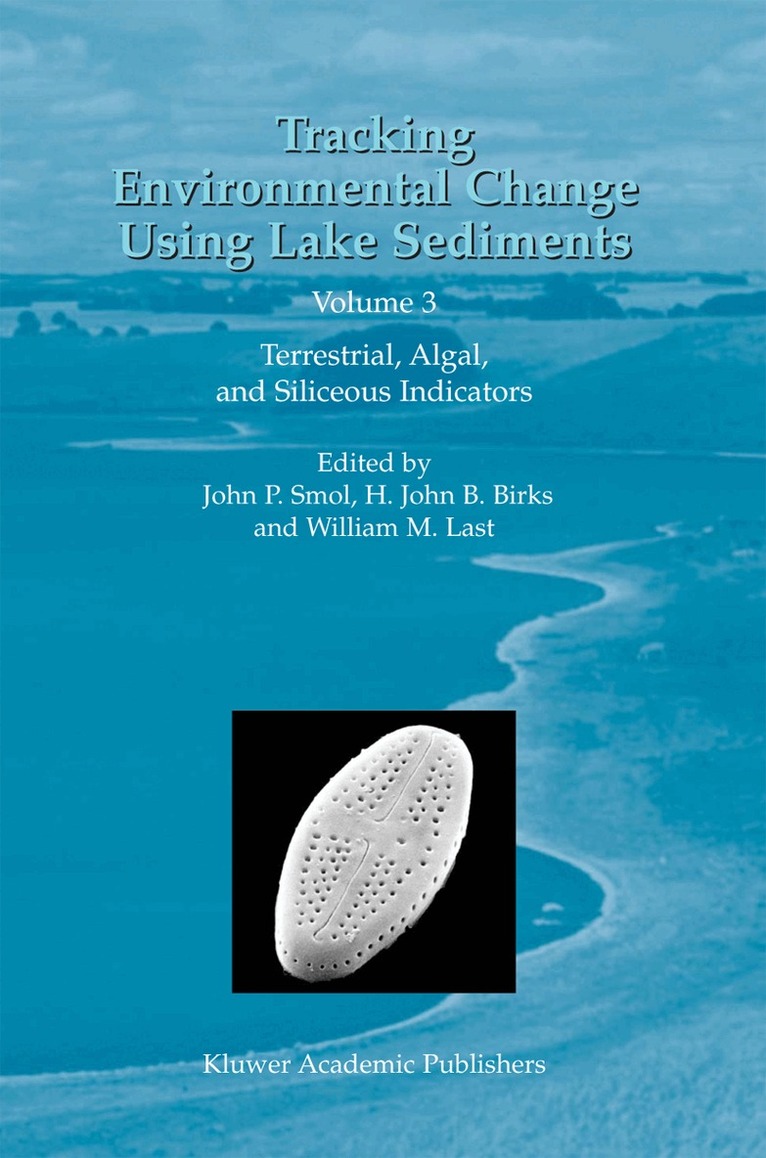
Tracking Environmental Change Using Lake Sediments
Volume 3: Terrestrial, Algal, and Siliceous Indicators
Inbunden, Engelska, 2002
1 698 kr
Skickas inom 10-15 vardagar
Biology Distribution and ecology Taphonomy and preservation Field sampling and coring Laboratory procedures Data analysis and interpretation Summary Acknowledgements References 9. Chrysophyte scales and cysts. B. A. Zeeb & J. P. Smol 203 Introduction Taxonomy and nomenclature Methods Paleolimnological applications Future research directions Summary Acknowledgements References 10. Ebridians. A. Korhola & J. P. Smol 225 Introduction Morphology, taxonomy and preservation in the sediments Methodological aspects Brief history of use of ebridians in palaeoecological research Indicator value and future research priorities Summary Acknowledgements References 11. Phytoliths. D. R. Piperno 235 Introduction and history Phytolith production and taxonomy Laboratory methods Applications of phytolith analysis in lake sediments Summary of the major results Other potential applications of phytoliths in lake sediments Summary Acknowledgments References x 12. Freshwater sponges. 253 T. M.Frost Introduction Sponge species and their distribution Sponge life history Sponge spicules Paleolimnological studies using freshwater sponges Techniques for assessing sponge spicules in sediments Future applications of sponges in paleolimnology Summary Acknowledgements References 13. Siliceous protozoan plates and scales. M. S. V. Douglas & J. P. Smol 265 Introduction History and taxonomy Ecology Paleoecological potential Laboratory methods Data presentation Paleolimnological applications Other related siliceous indicators Summary Acknowledgements References 14. Biogenic silica. D.J. Conley & C.L Schelske 281 Introduction and history Methods Applications Future directions Summary Acknowledgements References 15. Sedimentary pigments.
Tracking Environmental Change Using Lake Sediments
Volume 1: Basin Analysis, Coring, and Chronological Techniques
Häftad, Engelska, 2010
1 593 kr
Skickas inom 10-15 vardagar
Origins of fallout radionuclides Sediment records of fallout radionuclides Simple dating models Vertical mixing Numerical techniques Radiometric techniques Discussion Summary Acknowledgements References 10. chronostratigraphic techniques in paleolimnology. Svante Bjorck & Barbara Wohlfarth 205 Introduction Methods and problems Radiocarbon-dating different fractions of the sediment as a chronostratigraphic tool Dating of long (old) stratigraphies High resolution dating and wiggle matching dating versus absolute dating techniques of lacustrine sediments Concluding remarks Summary Useful www addresses Acknowledgements References 11. Varve chronology techniques. Scott Lamoureux 247 Introduction Methods Summary and future directions Acknowledgements References 12. Luminescence dating. Olav B. Lian & D. J. Huntley 261 Introduction The mechanism responsible for luminescence Dating and estimation of the paleodose Thermoluminescence dating Optical dating Evaluating the environmental dose rate xi Sample collection and preparation What types of depositional environments are suitable for luminescence dating? What can lead to an inaccurate optical age? Summary Acknowledgements References 13.Electron spin resonance (ESR) dating in lacustrine environments. Bonnie A. B. Blackwell 283 Introduction Principles of ESR analysis Sample collection ESR analysis ESR microscopy and other new techniques Applications and datable materials in limnological settings Summary Acknowledgements References 14. Use of paleomagnetism in studies of lake sediments. John King & John Peck 371 Introduction Recording fidelity of geomagnetic behavior by sediments Field and laboratory methods Holocene SV records Magnetostratigraphic studies of Neogene lake sediments Excursions, short events and relative paleointensity Conclusions Summary References 15. Amino acid racemization (AAR) dating and analysis in lacustrine environments.
Tracking Environmental Change Using Lake Sediments
Volume 2: Physical and Geochemical Methods
Häftad, Engelska, 2010
1 593 kr
Skickas inom 10-15 vardagar
This second volume in the Developments in Paleoenvironmental Research series deals mainly with physical and geochemical analytical techniques used in paleolimnology. Other volumes deal with the acquisition and archiving of cores, chronological techniques, and large-scale basin analysis methods (Volume 1), biological techniques (Volumes 3 & 4), and statistical and data handling methods (Volume 5). These monographs provide sufficient detail and breadth to be useful handbooks for both seasoned practitioners as well as newcomers to the area of paleolimnology. Although the chapters in these volumes target mainly lacustrine settings, many of the techniques described can also be readily applied to fluvial, glacial, marine, estuarine, and peatland environments.
Tracking Environmental Change Using Lake Sediments
Volume 4: Zoological Indicators
Häftad, Engelska, 2010
1 593 kr
Skickas inom 10-15 vardagar
This fourth volume in the Developments in Paleoenvironmental Research series deals with the major zoological indicators used in paleolimnology. Other volumes deal with the acquisition and archiving of lake sediment cores, chronological techniques, and large-scale basin analysis methods (Volume 1), physical and geochemical parameters and methods (Volume 2), terrestrial, algal, and siliceous indicators (Volume 3), and statistical and data handling methods (Volume 5). These monographs provide sufficient detail and breadth to be useful handbooks for both seasoned practitioners as well as newcomers to the area of paleolimnology. Although the chapters in these volumes target mainly lacustrine settings, many of the techniques described can also be readily applied to fluvial, glacial, marine, estuarine, and peatland environments.
Tracking Environmental Change Using Lake Sediments
Volume 3: Terrestrial, Algal, and Siliceous Indicators
Häftad, Engelska, 2010
1 698 kr
Skickas inom 10-15 vardagar
Biology Distribution and ecology Taphonomy and preservation Field sampling and coring Laboratory procedures Data analysis and interpretation Summary Acknowledgements References 9. Chrysophyte scales and cysts. B. A. Zeeb & J. P. Smol 203 Introduction Taxonomy and nomenclature Methods Paleolimnological applications Future research directions Summary Acknowledgements References 10. Ebridians. A. Korhola & J. P. Smol 225 Introduction Morphology, taxonomy and preservation in the sediments Methodological aspects Brief history of use of ebridians in palaeoecological research Indicator value and future research priorities Summary Acknowledgements References 11. Phytoliths. D. R. Piperno 235 Introduction and history Phytolith production and taxonomy Laboratory methods Applications of phytolith analysis in lake sediments Summary of the major results Other potential applications of phytoliths in lake sediments Summary Acknowledgments References x 12. Freshwater sponges. 253 T. M.Frost Introduction Sponge species and their distribution Sponge life history Sponge spicules Paleolimnological studies using freshwater sponges Techniques for assessing sponge spicules in sediments Future applications of sponges in paleolimnology Summary Acknowledgements References 13. Siliceous protozoan plates and scales. M. S. V. Douglas & J. P. Smol 265 Introduction History and taxonomy Ecology Paleoecological potential Laboratory methods Data presentation Paleolimnological applications Other related siliceous indicators Summary Acknowledgements References 14. Biogenic silica. D.J. Conley & C.L Schelske 281 Introduction and history Methods Applications Future directions Summary Acknowledgements References 15. Sedimentary pigments.