William R. Kerr – författare
Visar alla böcker från författaren William R. Kerr. Handla med fri frakt och snabb leverans.
4 produkter
4 produkter
E-bok
Engelska, 20182 485 kr
Läs direkt efter köp
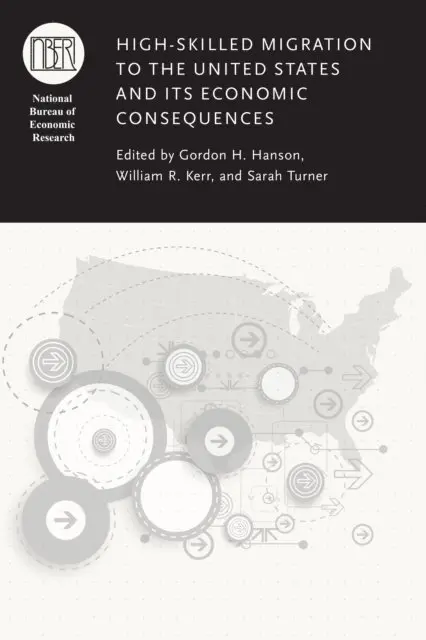
Immigration policy is one of the most contentious public policy issues in the United States today. High-skilled immigrants represent an increasing share of the U.S. workforce, particularly in science and engineering fields. These immigrants affect economic growth, patterns of trade, education choices, and the earnings of workers with different types of skills. The chapters in this volume go beyond the traditional question of how the inflow of foreign workers affects native employment and earnings to explore effects on innovation and productivity, wage inequality across skill groups, the behavior of multinational firms, firm-level dynamics of entry and exit, and the nature of comparative advantage across countries.
Inbunden, Engelska, 2018
369 kr
Skickas inom 3-6 vardagar
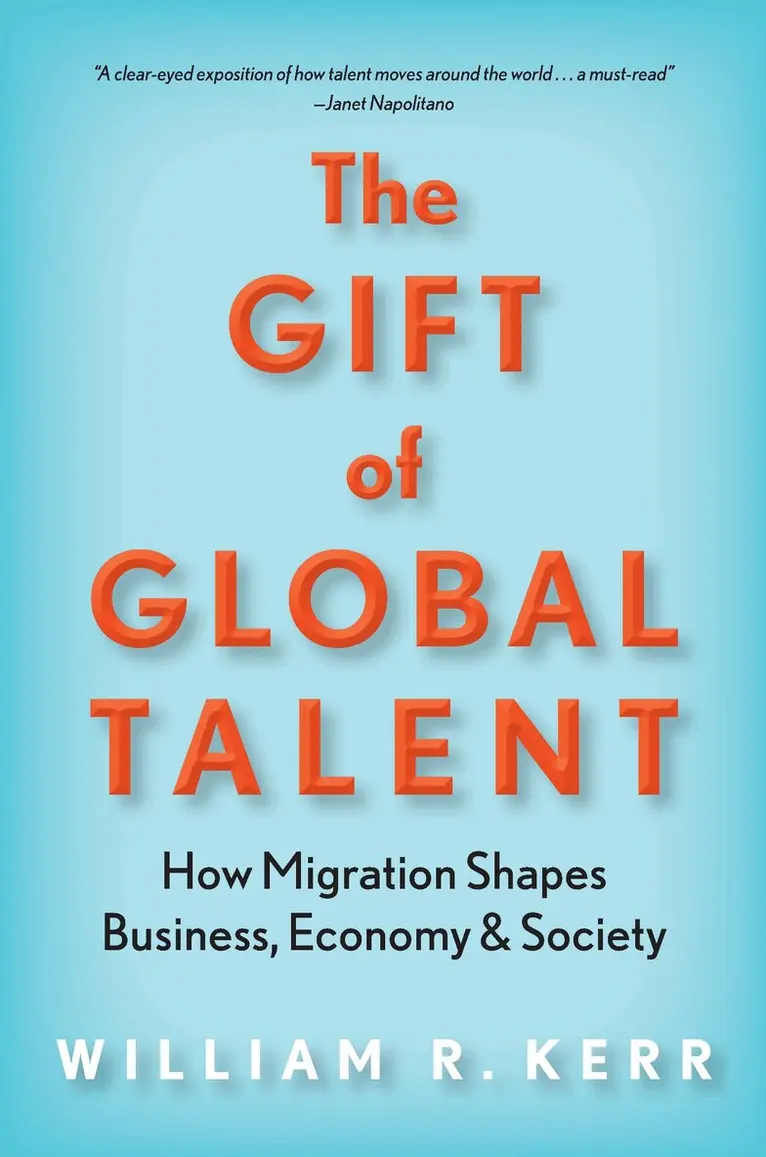
The global race for talent is on, with countries and businesses competing for the best and brightest. Talented individuals migrate much more frequently than the general population, and the United States has received exceptional inflows of human capital. This foreign talent has transformed U.S. science and engineering, reshaped the economy, and influenced society at large. But America is bogged down in thorny debates on immigration policy, and the world around the United States is rapidly catching up, especially China and India. The future is quite uncertain, and the global talent puzzle deserves close examination.To do this, William R. Kerr uniquely combines insights and lessons from business practice, government policy, and individual decision making. Examining popular ideas that have taken hold and synthesizing rigorous research across fields such as entrepreneurship and innovation, regional advantage, and economic policy, Kerr gives voice to data and ideas that should drive the next wave of policy and business practice.The Gift of Global Talent deftly transports readers from joyous celebrations at the Nobel Prize ceremony to angry airport protests against the Trump administration's travel ban. It explores why talented migration drives the knowledge economy, describes how universities and firms govern skilled admissions, explains the controversies of the H-1B visa used by firms like Google and Apple, and discusses the economic inequalities and superstar firms that global talent flows produce. The United States has been the steward of a global gift, and this book explains the huge leadership decision it now faces and how it can become even more competitive for attracting tomorrow's talent. Please visit www.hbs.edu/managing-the-future-of-work/research/Pages/default.aspx to learn more about the book.
E-bok
Engelska, 2018325 kr
Läs direkt efter köp
The global race for talent is on, with countries and businesses competing for the best and brightest. Talented individuals migrate much more frequently than the general population, and the United States has received exceptional inflows of human capital. This foreign talent has transformed U.S. science and engineering, reshaped the economy, and influenced society at large. But America is bogged down in thorny debates on immigration policy, and the world around the United States is rapidly catching up, especially China and India. The future is quite uncertain, and the global talent puzzle deserves close examination.To do this, William R. Kerr uniquely combines insights and lessons from business practice, government policy, and individual decision making. Examining popular ideas that have taken hold and synthesizing rigorous research across fields such as entrepreneurship and innovation, regional advantage, and economic policy, Kerr gives voice to data and ideas that should drive the next wave of policy and business practice.The Gift of Global Talent deftly transports readers from joyous celebrations at the Nobel Prize ceremony to angry airport protests against the Trump administration's travel ban. It explores why talented migration drives the knowledge economy, describes how universities and firms govern skilled admissions, explains the controversies of the H-1B visa used by firms like Google and Apple, and discusses the economic inequalities and superstar firms that global talent flows produce. The United States has been the steward of a global gift, and this book explains the huge leadership decision it now faces and how it can become even more competitive for attracting tomorrow's talent. Please visit www.hbs.edu/managing-the-future-of-work/research/Pages/default.aspx to learn more about the book.
Häftad, Engelska, 2021
275 kr
Skickas inom 5-8 vardagar
The global race for talent is on, with countries and businesses competing for the best and brightest. Talented individuals migrate much more frequently than the general population, and the United States has received exceptional inflows of human capital. This foreign talent has transformed U.S. science and engineering, reshaped the economy, and influenced society at large. But America is bogged down in thorny debates on immigration policy, and the world around the United States is rapidly catching up, especially China and India. The future is quite uncertain, and the global talent puzzle deserves close examination.To do this, William R. Kerr uniquely combines insights and lessons from business practice, government policy, and individual decision making. Examining popular ideas that have taken hold and synthesizing rigorous research across fields such as entrepreneurship and innovation, regional advantage, and economic policy, Kerr gives voice to data and ideas that should drive the next wave of policy and business practice.The Gift of Global Talent deftly transports readers from joyous celebrations at the Nobel Prize ceremony to angry airport protests against the Trump administration's travel ban. It explores why talented migration drives the knowledge economy, describes how universities and firms govern skilled admissions, explains the controversies of the H-1B visa used by firms like Google and Apple, and discusses the economic inequalities and superstar firms that global talent flows produce. The United States has been the steward of a global gift, and this book explains the huge leadership decision it now faces and how it can become even more competitive for attracting tomorrow's talent. Please visit www.hbs.edu/managing-the-future-of-work/research/Pages/default.aspx to learn more about the book.