William Rankin – författare
Visar alla böcker från författaren William Rankin. Handla med fri frakt och snabb leverans.
13 produkter
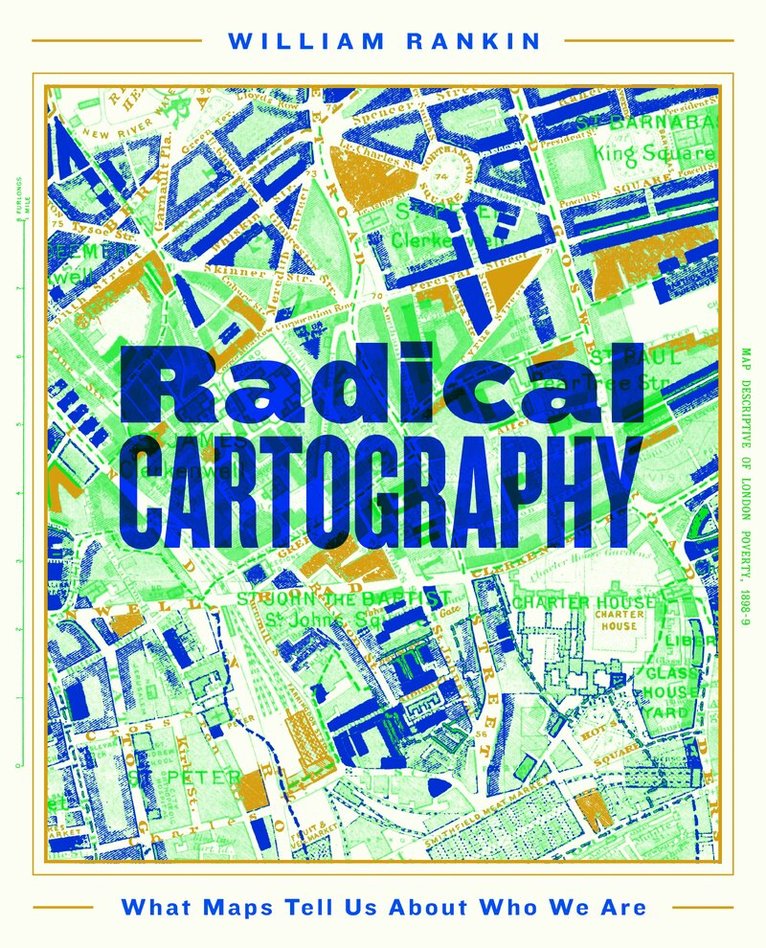
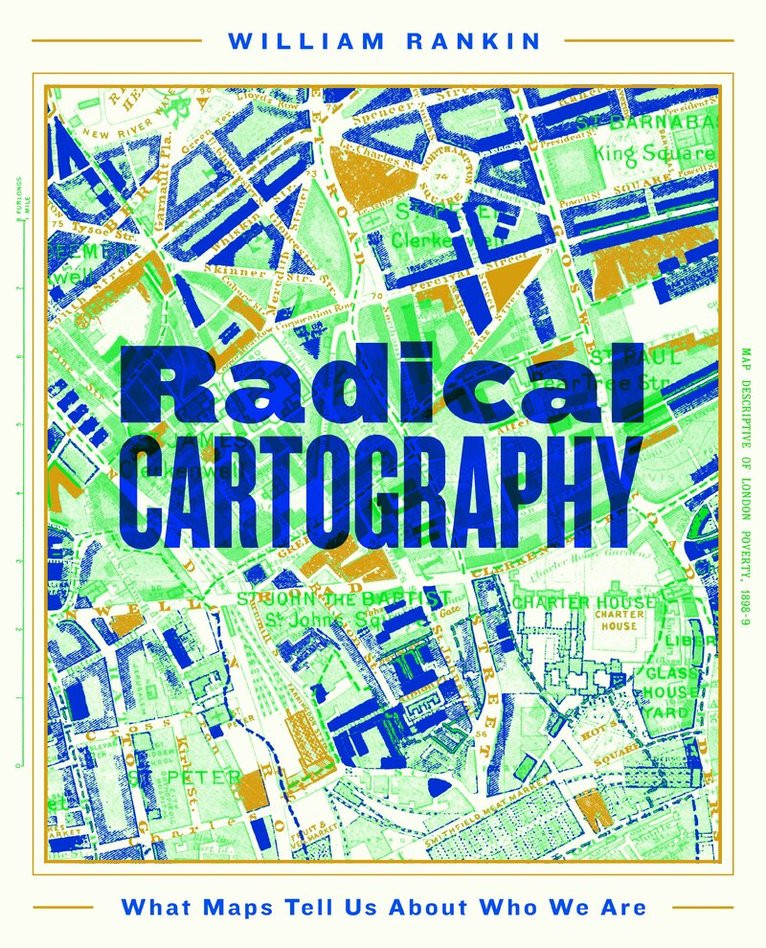
Radical Cartography
What Maps Tell Us About Who We Are
Inbunden, 2025
307 kr
Lägg i varukorg
- How can the colours of a map reinforce our biases?- What does a postcolonial map of the world look like?- How do indigenous communities use maps to argue for self-determination?A stunning, thought-provoking exploration of how maps shape our understanding of the world - featuring over 150 …
Memorials Of Foreign Missionaries Of The Presbyterian Church, U. S. A
Inbunden, 2022
456 kr
Lägg i varukorg
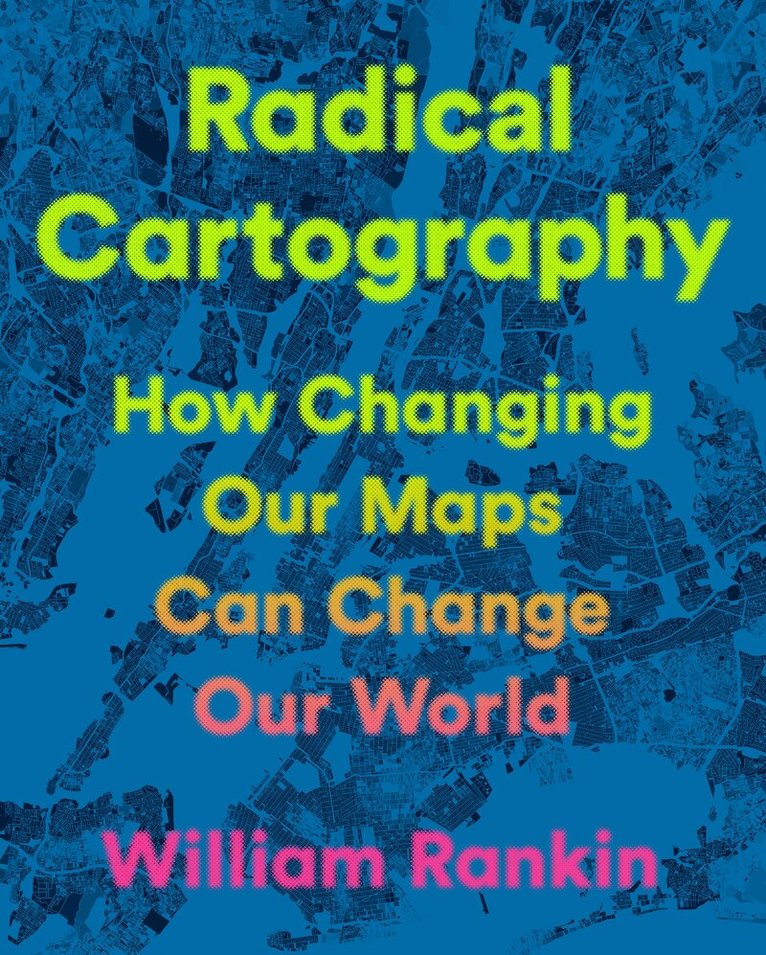
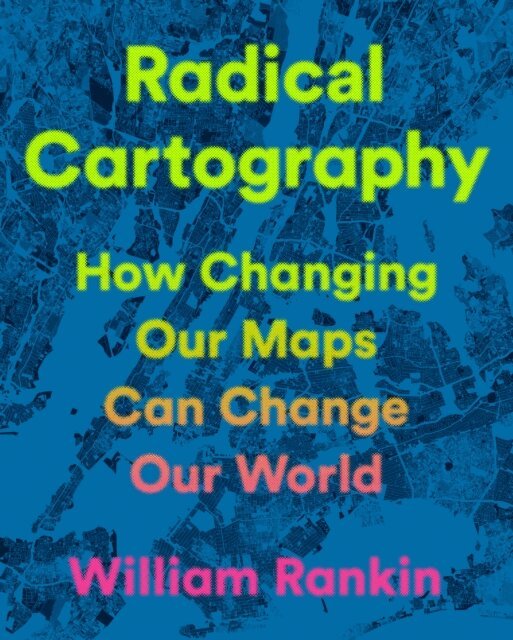
Radical Cartography
How Changing Our Maps Can Change Our World
Inbunden, 1900
265 kr
Lägg i varukorg
“This is it: the full download from a true genius of cartography. Radical Cartography will make you see maps, and, indeed, your place on the planet, with fresh eyes.”—Daniel Immerwahr, author of How to Hide an Empire . A stunning, thought-provoking exploration of how maps shape our understanding of …
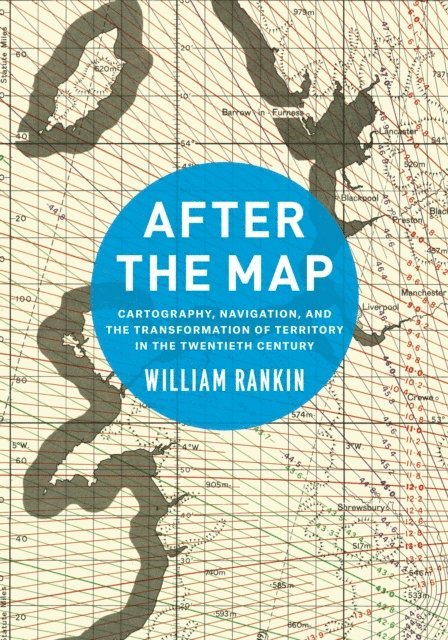
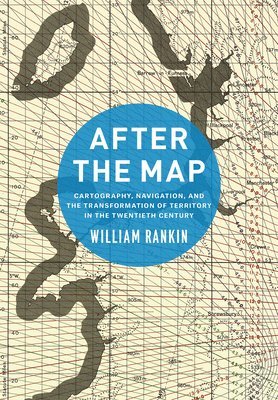
After the Map
Cartography, Navigation, and the Transformation of Territory in the Twentieth Century
E-bok, 2016
836 kr
Lägg i varukorg
For most of the twentieth century, maps were indispensable. They were how governments understood, managed, and defended their territory, and during the two world wars they were produced by the hundreds of millions. Cartographers and journalists predicted the dawning of a “map-minded age,” where …
Memorials Of Foreign Missionaries Of The Presbyterian Church, U. S. A
Av William Rankin, Presbyterian Church in the U S a Board
Häftad, 2022
342 kr
Lägg i varukorg
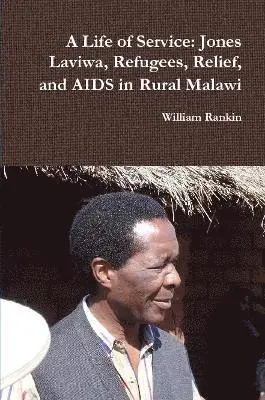
Life of Service: Jones Laviwa, Refugees, Relief, and AIDS in Rural Malawi
Häftad, 2017
203 kr
Lägg i varukorg
Sketches of the Most Important Battles of the Revolution Explanatory of the Vine of Liberty
Häftad
430 kr
Lägg i varukorg
Radical Cartography
What Maps Tell Us About Who We Are
E-bok, 2025
327 kr
Lägg i varukorg
- How can the colours of a map reinforce our biases?- What does a postcolonial map of the world look like?- How do indigenous communities use maps to argue for self-determination?A stunning, thought-provoking exploration of how maps shape our understanding of the world - featuring over 150 …
After the Map
Cartography, Navigation, and the Transformation of Territory in the Twentieth Century
Häftad, 2018
450 kr
Tillfälligt slut
For most of the twentieth century, maps were indispensable. They were how governments understood, managed, and defended their territory, and during the two world wars they were produced by the hundreds of millions. Cartographers and journalists predicted the dawning of a “map-minded age,” where …