William Roth – författare
1 013 kr
Skickas inom 5-8 vardagar
258 kr
Skickas inom 5-8 vardagar
1 040 kr
Skickas inom 10-15 vardagar
1 071 kr
Skickas inom 10-15 vardagar
307 kr
Skickas inom 5-8 vardagar
657 kr
Skickas inom 10-15 vardagar
886 kr
Läs direkt efter köp
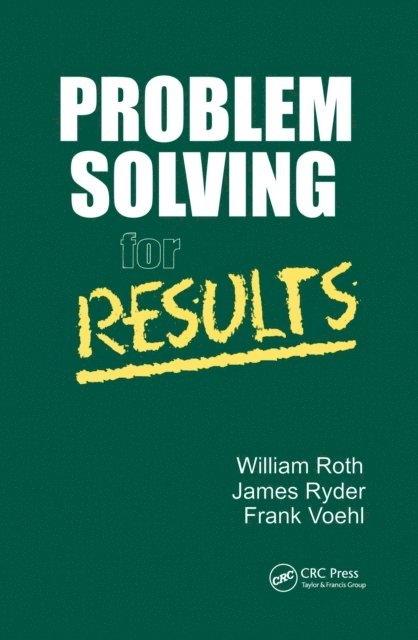
Turbulence is not new to the business world. In fact, turbulence is increasing, and managers are seeing teams spinning their wheels. Management systems are in a state of crisis and operations are more complex. The old top-down operations mode no longer suffices. Today’s businesses demand speed and increased accuracy, forcing everyone to re-evaluate chains of command and tear down the walls between functions. Amid the responsibilities of traditional management lies problem solving. The push is toward moving decision-making authority down the ladder to all levels. Managers are no longer equipped to or capable of making the number and variety of necessary decisions in a vacuum. The current mode is to have employees deal directly with workplace issues and take corrective action without complaint and without management involvement. Coping with this reality and preparation for these improvements in workplace problem solving requires interest and motivation.
Strategic Decision Making for Successful Planning can facilitate this by demystifying and simplifying the process. The book bridges philosophy and theory and puts together a practical integration of all the tools necessary to get results from your investment of time, energy, and money. What is unique about this book is while it’s based on a strong academic foundation, it does not get bogged down in the human-planning or psychological process of solving problems. It doesn’t provide "pie-in-the-sky" creative solutions or a five-year process for solving problems and planning for the future. Numerous techniques and tools are included to make the book the right balance between practical and academic. The book also includes an extensive case study to illustrate points made in the text.

886 kr
Läs direkt efter köp
Turbulence is not new to the business world. In fact, turbulence is increasing, and managers are seeing teams spinning their wheels. Management systems are in a state of crisis and operations are more complex. The old top-down operations mode no longer suffices. Today’s businesses demand speed and increased accuracy, forcing everyone to re-evaluate chains of command and tear down the walls between functions. Amid the responsibilities of traditional management lies problem solving. The push is toward moving decision-making authority down the ladder to all levels. Managers are no longer equipped to or capable of making the number and variety of necessary decisions in a vacuum. The current mode is to have employees deal directly with workplace issues and take corrective action without complaint and without management involvement. Coping with this reality and preparation for these improvements in workplace problem solving requires interest and motivation.
Strategic Decision Making for Successful Planning can facilitate this by demystifying and simplifying the process. The book bridges philosophy and theory and puts together a practical integration of all the tools necessary to get results from your investment of time, energy, and money. What is unique about this book is while it’s based on a strong academic foundation, it does not get bogged down in the human-planning or psychological process of solving problems. It doesn’t provide "pie-in-the-sky" creative solutions or a five-year process for solving problems and planning for the future. Numerous techniques and tools are included to make the book the right balance between practical and academic. The book also includes an extensive case study to illustrate points made in the text.

1 270 kr
Läs direkt efter köp
1 270 kr
Läs direkt efter köp
773 kr
Skickas inom 10-15 vardagar
2 103 kr
Skickas inom 10-15 vardagar
2 028 kr
Läs direkt efter köp
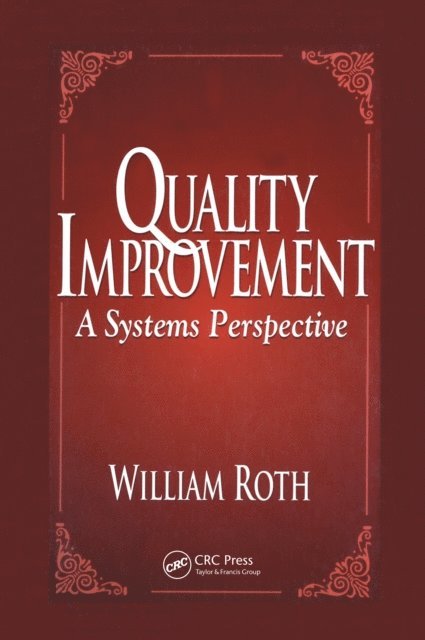
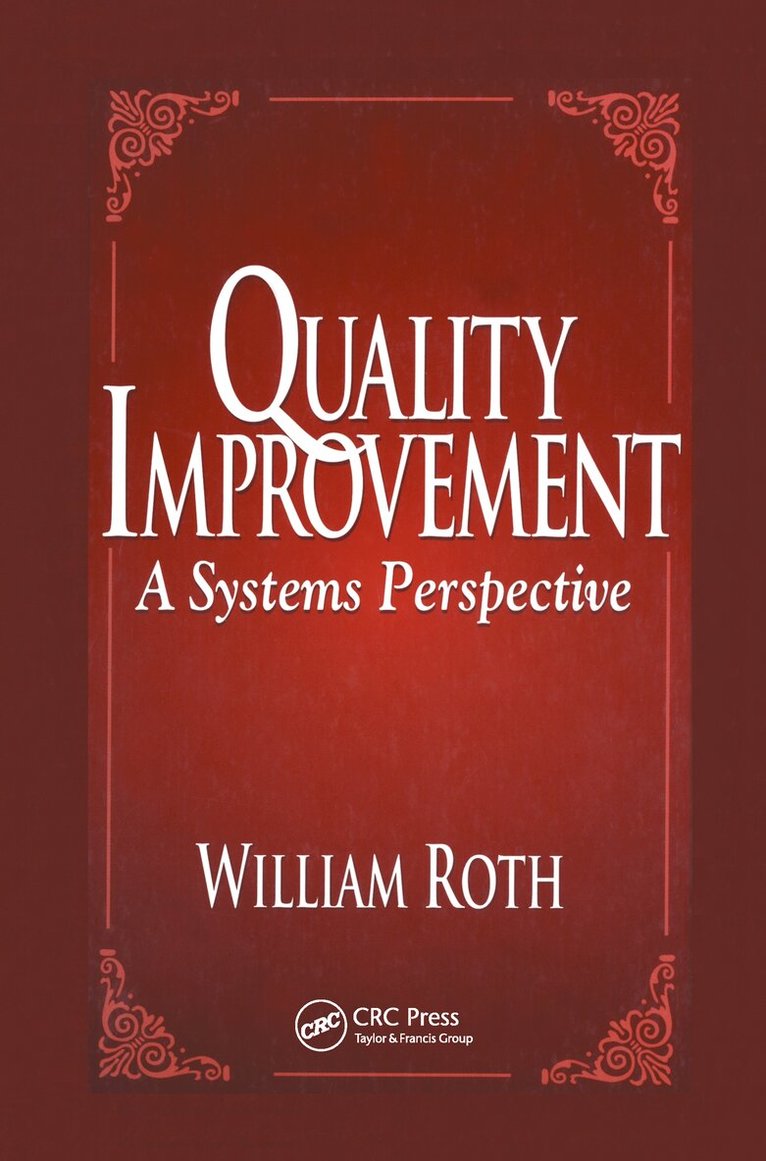
Quality improvement: it''s an attractive concept on paper. So why do the vast majority of quality improvement efforts fail?William Roth knows from experience: as a Ph.D in systems theory, an ex-corporate manager, a professor-and the designer (with the AQP) of a national program to deliver training for quality credentials in the systems approach. His belief: enduring quality improvement is an "all or nothing" situation-requiring a systemic approach, with all the key components and integrations in place and fully integrated right from the start. Quality Improvement: A Systems Perspective explains the sometimes surprising historic roots of the quality improvement movement, and outlines the systems theory on which successful models must be built. Readers then gain access to the hands-on, nuts-and-bolts, how-to-get-it-done details of the five critical phases. Three case studies (two in industry, one in health care) support this traditional but currently shunned model.Along with his unique unified view of quality improvement, Roth explains why it is shunned, and why alternative approaches usually do not produce the desired results. Key obstacles to success are directly identified-top-level management, local union leaders, management education. The ultimate culprit, though, is culture-to which Roth suggests how to move organizations in the right direction, from a systems perspective.With one of the most comprehensive overviews of quality management essentials in one volume, Quality Improvement: A Systems Perspective balances theory and modeling with the details of real-life implementation and success.
2 028 kr
Läs direkt efter köp
Quality improvement: it''s an attractive concept on paper. So why do the vast majority of quality improvement efforts fail?William Roth knows from experience: as a Ph.D in systems theory, an ex-corporate manager, a professor-and the designer (with the AQP) of a national program to deliver training for quality credentials in the systems approach. His belief: enduring quality improvement is an "all or nothing" situation-requiring a systemic approach, with all the key components and integrations in place and fully integrated right from the start. Quality Improvement: A Systems Perspective explains the sometimes surprising historic roots of the quality improvement movement, and outlines the systems theory on which successful models must be built. Readers then gain access to the hands-on, nuts-and-bolts, how-to-get-it-done details of the five critical phases. Three case studies (two in industry, one in health care) support this traditional but currently shunned model.Along with his unique unified view of quality improvement, Roth explains why it is shunned, and why alternative approaches usually do not produce the desired results. Key obstacles to success are directly identified-top-level management, local union leaders, management education. The ultimate culprit, though, is culture-to which Roth suggests how to move organizations in the right direction, from a systems perspective.With one of the most comprehensive overviews of quality management essentials in one volume, Quality Improvement: A Systems Perspective balances theory and modeling with the details of real-life implementation and success.
2 753 kr
Skickas inom 10-15 vardagar
2 753 kr
Skickas inom 10-15 vardagar
2 423 kr
Läs direkt efter köp
2 423 kr
Läs direkt efter köp
1 106 kr
Skickas inom 10-15 vardagar
1 805 kr
Skickas inom 5-8 vardagar
2 103 kr
Skickas inom 10-15 vardagar
277 kr
Skickas inom 5-8 vardagar
898 kr
Tillfälligt slut
366 kr
Tillfälligt slut
1 013 kr
Tillfälligt slut