William S. Davis – författare
4 166 kr
Skickas inom 10-15 vardagar
370 kr
Skickas inom 5-8 vardagar
207 kr
Skickas inom 5-8 vardagar
5 007 kr
Läs direkt efter köp
The Information System Consultant''s Handbook familiarizes systems analysts, systems designers, and information systems consultants with underlying principles, specific documentation, and methodologies.Corresponding to the primary stages in the systems development life cycle, the book divides into eight sections:
Principles Information Gathering and Problem Definition Project Planning and Project Management Systems Analysis Identifying Alternatives Component Design Testing and Implementation Operation and MaintenanceEighty-two chapters comprise the book, and each chapter covers a single tool, technique, set of principles, or methodology. The clear, concise narrative, supplemented with numerous illustrations and diagrams, makes the material accessible for readers - effectively outlining new and unfamiliar analysis and design topics.5 021 kr
Läs direkt efter köp
The Information System Consultant''s Handbook familiarizes systems analysts, systems designers, and information systems consultants with underlying principles, specific documentation, and methodologies.Corresponding to the primary stages in the systems development life cycle, the book divides into eight sections:
Principles Information Gathering and Problem Definition Project Planning and Project Management Systems Analysis Identifying Alternatives Component Design Testing and Implementation Operation and MaintenanceEighty-two chapters comprise the book, and each chapter covers a single tool, technique, set of principles, or methodology. The clear, concise narrative, supplemented with numerous illustrations and diagrams, makes the material accessible for readers - effectively outlining new and unfamiliar analysis and design topics.592 kr
Skickas inom 10-15 vardagar
826 kr
Skickas inom 10-15 vardagar
778 kr
Läs direkt efter köp
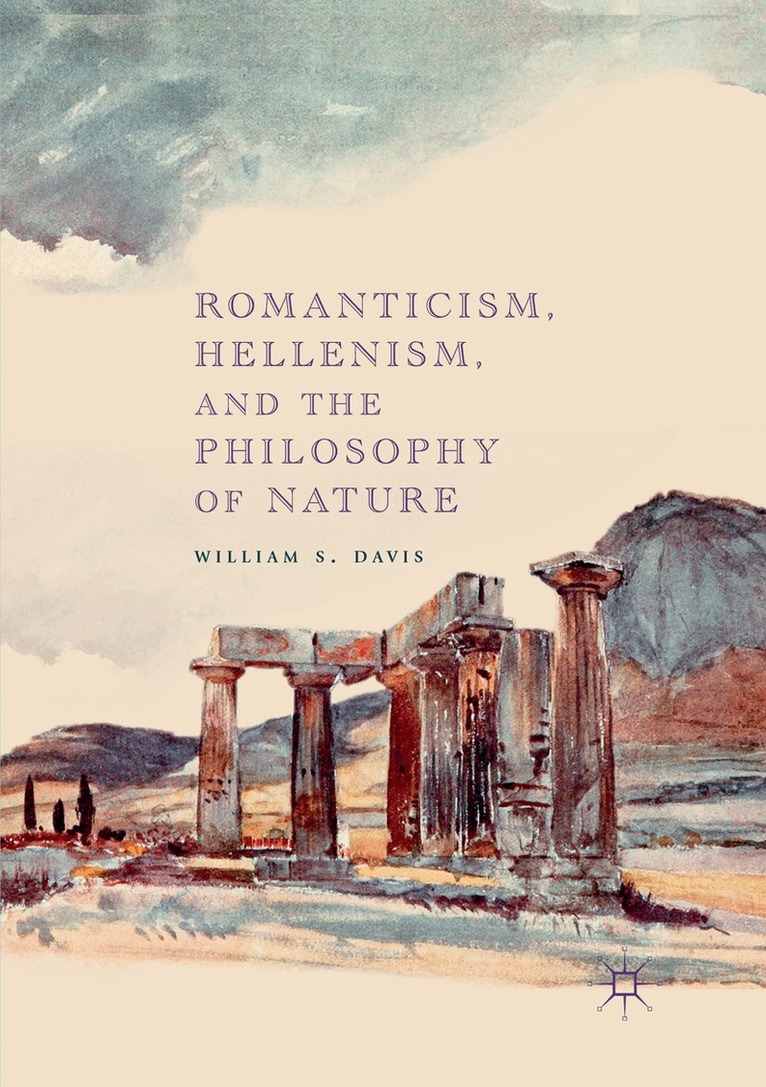
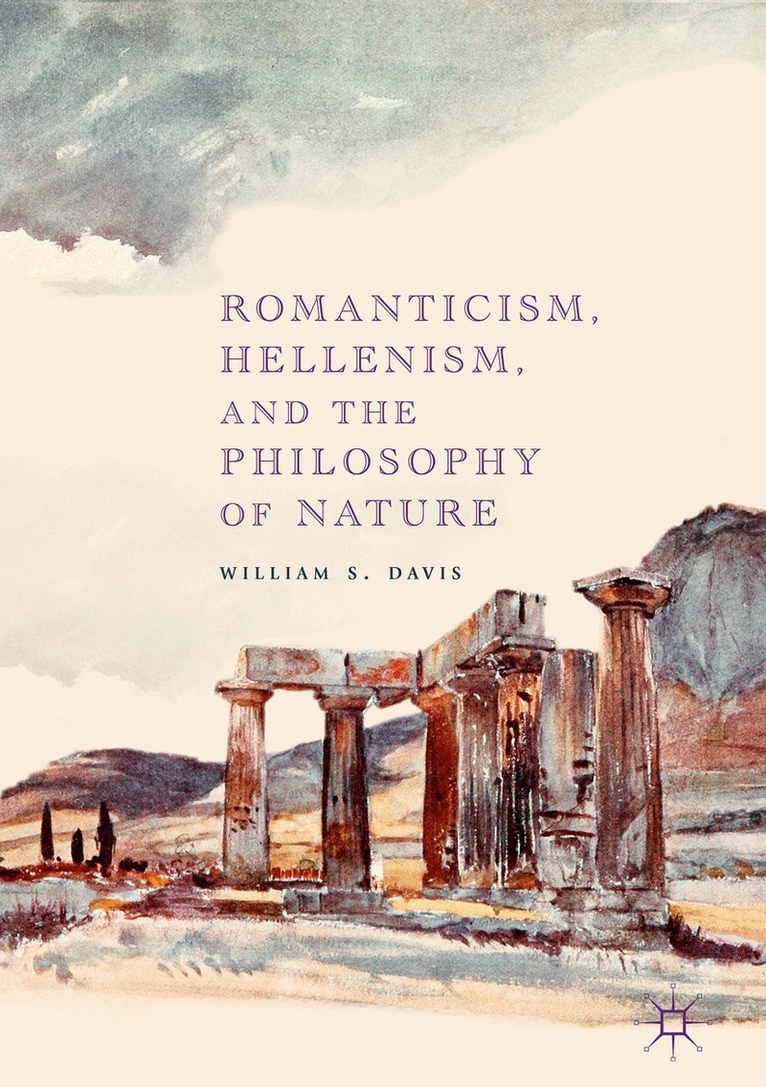
This book investigates intersections between the philosophy of nature and Hellenism in British and German Romanticism, focusing primarily on five central literary/philosophical figures: Friedrich Schelling, Friedrich Hölderlin, Johann Wolfgang von Goethe, Percy Shelley, and Lord Byron. Near the end of the eighteenth century, poets and thinkers reinvented Greece as a site of aesthetic and ontological wholeness, a move that corresponded with a refiguring of nature as a dynamically interconnected web in which each part is linked to the living whole. This vision of a vibrant materiality that allows us to become “one with all that lives,” along with a Romantic version of Hellenism that wished to reassemble the broken fragments of an imaginary Greece as both site and symbol of this all-unity, functioned as a two-pronged response to subjective anxiety that arose in the wake of Kant and Fichte. The result is a form of resistance to an idealism that appeared to leave little roomfor a world of beauty, love, and nature beyond the self.