William Urban – författare
Visar alla böcker från författaren William Urban. Handla med fri frakt och snabb leverans.
21 produkter
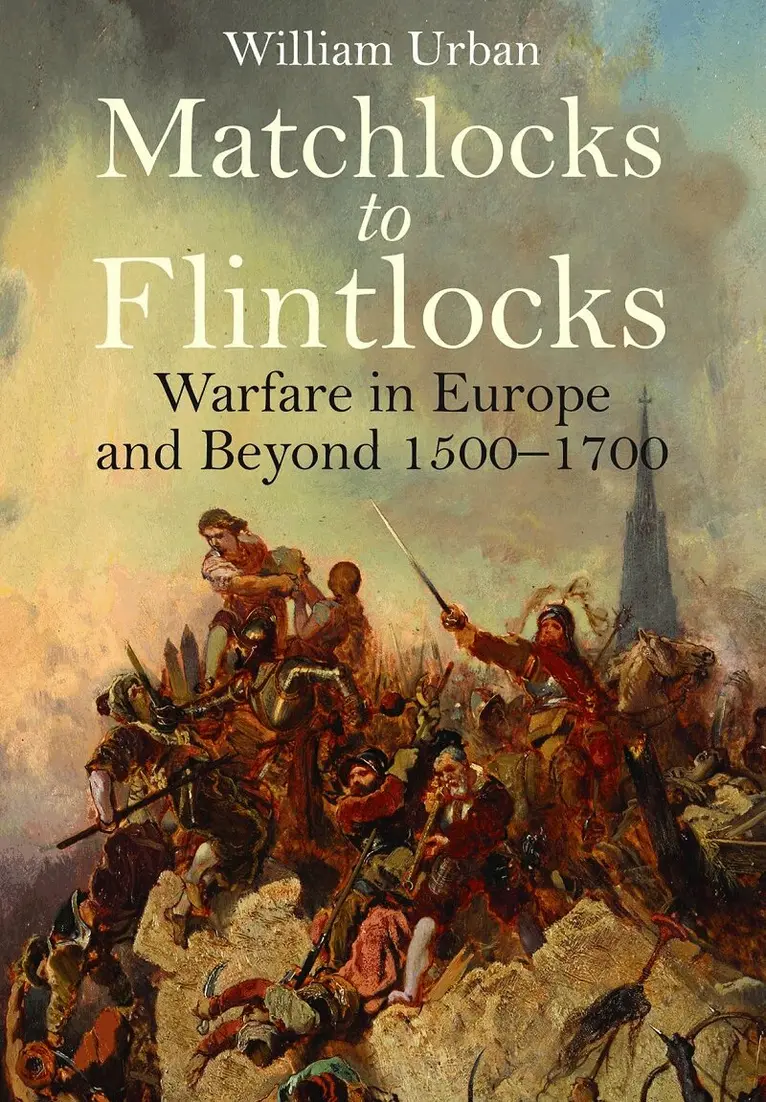
Matchlocks to Flintlocks
Warfare in Europe and Beyond, 1500-1700
Häftad, 2023
171 kr
Lägg i varukorg
In the early modern world three dominant cultures of war were shaped by a synergy of their internal and external interactions. One was Latin Christian western Europe. Another was Ottoman Islam. The third, no less vital for so often being overlooked, was eastcentral Europe: Poland/Lithuania, …
Dean Returns from the Dead
#4 in the Briarpatch College Series
E-bok, 2010
92 kr
Lägg i varukorg
In the fall semester of 1995 Professor Donahue and Chief Biggs investigated the murder of Dean Wooda. The surprising result became stranger as new bodies and new suspicions appeared each semester. By 1997 even those who had seen the deans corpse off for cremation were wondering when his ghost would …
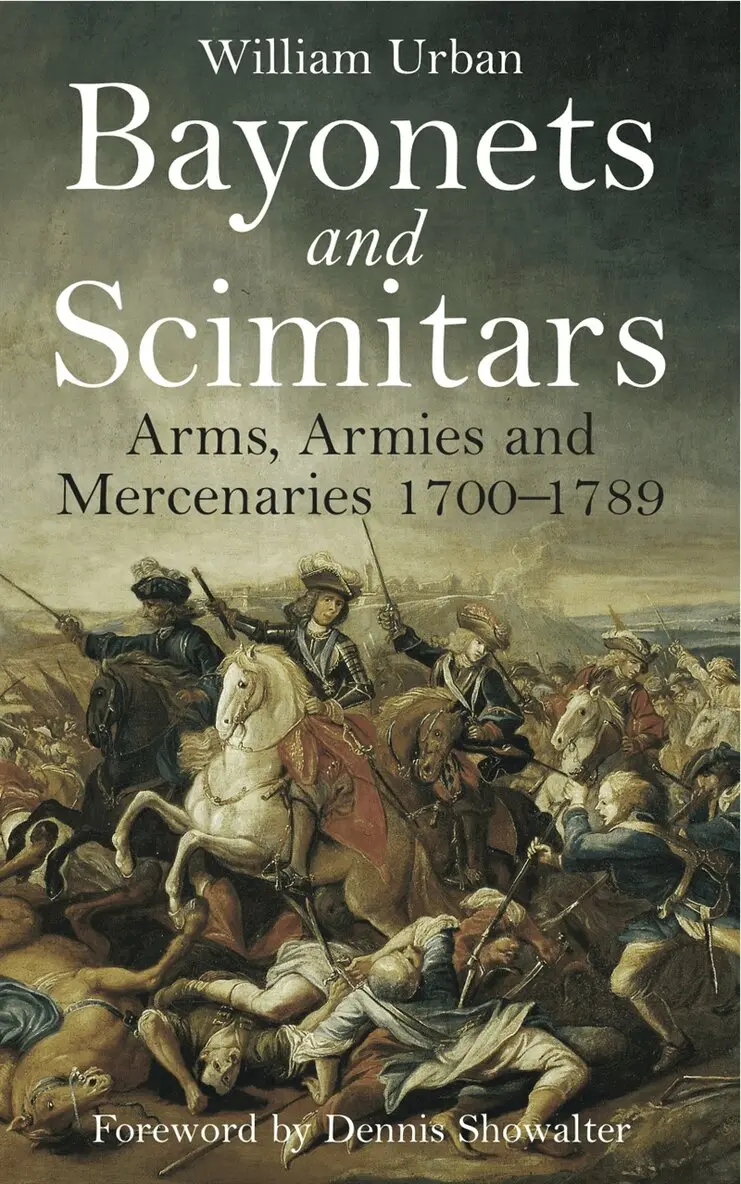
Bayonets and Scimitars
Arms, Armies and Mercenaries 1700–1789
E-bok, 2021
126 kr
Lägg i varukorg
The eighteenth century marked a watershed in European history. This was a period of significant economic, political and technological upheaval which led to the American and French revolutions, and was to ultimately pave the way for Europe’s domination of much of the world during the nineteenth …
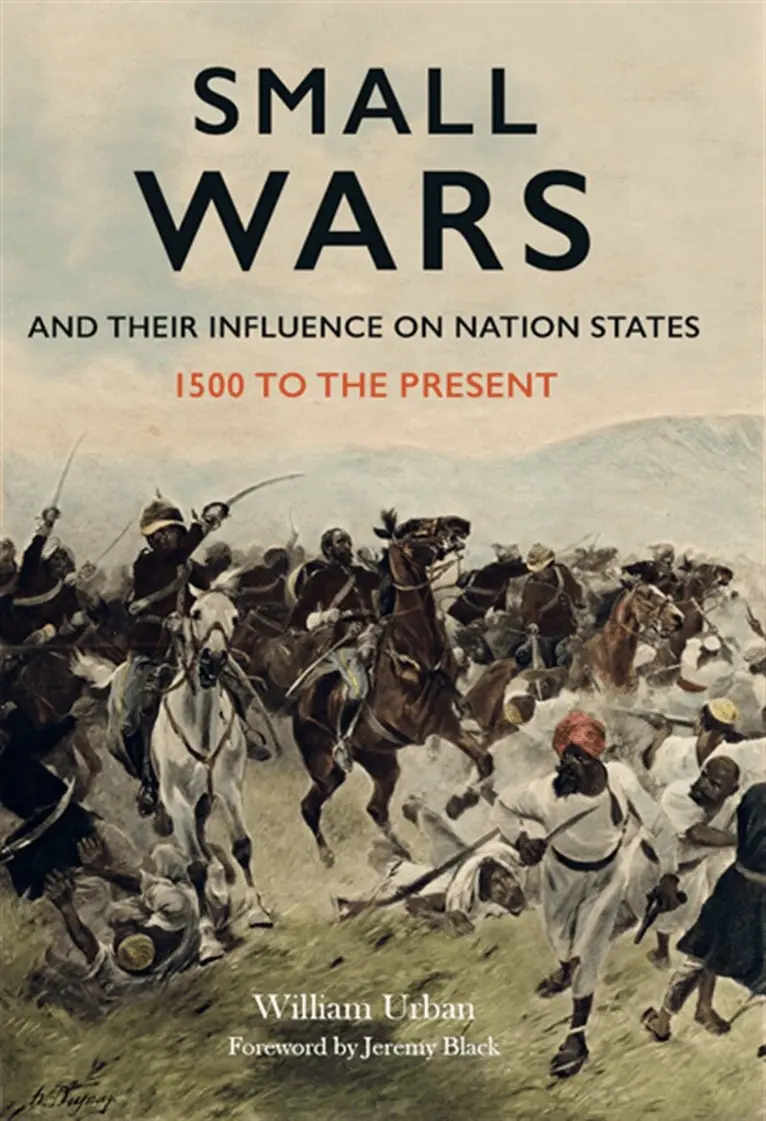
Small Wars and their Influence on Nation States
1500 to the Present
E-bok, 2021
126 kr
Lägg i varukorg
After 1500, European warfare was repeatedly revolutionized by new weapons, new methods for supplying armies in the field, improved fortifications and new tactics for taking fortifications. This allowed empires to grow, with, for example, the Ottomans expanding into the Middle East and Africa, …
Why the Dean Is Dead
#5 in the Briarpatch College Series
E-bok, 2013
59 kr
Lägg i varukorg
Briarpatch College has all the problems of American higher education in the nineties, at least as many as can be packed onto one small semirural campus. Unfortunately, Briarpatch also has had a multitude of other problems the administration would rather not admit. In the last few years, the …
40 Days with Jesus
Daily Imaginative Thoughts and Reflections for Lent
Av William Urban, Valerie Smith
E-bok, 2022
100 kr
Lägg i varukorg
Why must we endure times of waiting? In the night, we wait for the morning. Inloneliness, toil, or sickness, we wait for relief. Jesus''s forty-day fast was a timeof waiting, and in that time, He became vulnerable and needy just like we are. Godbecame a person for a reason, so we can imitate and …
Matchlocks to Flintlocks
Warfare in Europe and Beyond, 1500–1700
E-bok, 2021
126 kr
Lägg i varukorg
In the early modern world three dominant cultures of war were shaped by a synergy of their internal and external interactions. One was Latin Christian western Europe. Another was Ottoman Islam. The third, no less vital for so often being overlooked, was east–central Europe: Poland/Lithuania, …
Bayonets For Hire
Mercenaries at War, 1550-1789
E-bok, 2021
126 kr
Lägg i varukorg
From the Greek professional armies of Alexander, through the Hundred Years War, indeed, to today, mercenaries have been ever-present, their role constantly evolving. In this compelling new history William Urban takes up their captivating and turbulent story from 1550 to 1789: from the Wars of …
Bayonets For Hire
Mercenaries at War, 1550-1789
Av William H. McNeill, William Urban
E-bok, 2007
162 kr
Lägg i varukorg
From the Greek professional armies of Alexander, through the Hundred Years War, indeed, to today, mercenaries have been ever-present, their role constantly evolving. In this compelling new history William Urban takes up their captivating and turbulent story from 1550 to 1789: from the Wars of …
Last Years of the Teutonic Knights
Lithuania, Poland and the Teutonic Order
E-bok, 2018
147 kr
Lägg i varukorg
"The most comprehensive account available of the final years of the crusading military order" from the acclaimed author of Medieval Mercenaries (Baltische Historiche Kommission).The Battle of Grunwald was one of the largest battles in Medieval Europe and was the most important in the histories of …
Last Years of the Teutonic Knights
Lithuania, Poland and the Teutonic Order
E-bok, 2018
147 kr
Lägg i varukorg
"The most comprehensive account available of the final years of the crusading military order" from the acclaimed author of Medieval Mercenaries (Baltische Historiche Kommission).The Battle of Grunwald was one of the largest battles in Medieval Europe and was the most important in the histories of …
Teutonic Knights Strike East
The 14th Century Crusades in Lithuania and Rus'
Av William Urban, Darius Baronas
Inbunden, 2024
280 kr
Lägg i varukorg
The history of the Teutonic Knights is one of crusading in an era of wars, intrigues, assassinations and betrayals. Originally established as a hospital order during the Third Crusade in the Holy Land in the late 12th century, the order evolved into a formidable military force dedicated to …
Teutonic Knights Conquer Prussia
Poland, Hungary and Ukraine Face Lithuania and the Mongols
Inbunden, 2026
280 kr
Kommande
In this sweeping study, leading expert William Urban explores the Teutonic Order’s conquest of the southern Baltic lands in the 13th century, alongside the struggles of Poland, whose support was periodically interrupted by confrontations with Lithuania and the Mongols. Drawing on contemporary …
Medieval Mercenaries
The Business of War
E-bok, 2021
126 kr
Lägg i varukorg
The Middle Ages were a turbulent and violent time, when the fate of nations was most often decided on the battlefield, and strength of arms was key to acquiring and maintaining power. Feudal oaths and local militias were more often than not incapable of providing the skilled and disciplined …
Last Years of the Teutonic Knights
Lithuania, Poland and the Teutonic Order
Inbunden, 2018
274 kr
Tillfälligt slut
The Battle of Grunwald was one of the largest battles in Medieval Europe and was the most important in the histories of Poland and Lithuania.It was fought on 15 July 1410 during the Polish-Lithuania-Teutonic War between the alliance of the Kingdom of Poland (led by King Jagiello) and the Grand …