William V. Spanos – författare
294 kr
Skickas inom 5-8 vardagar
422 kr
Läs direkt efter köp
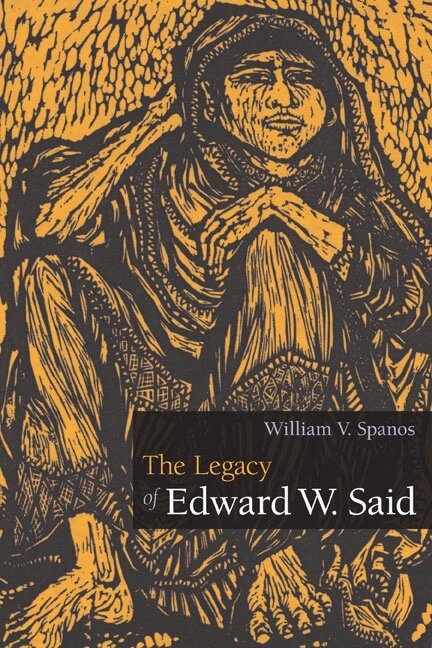
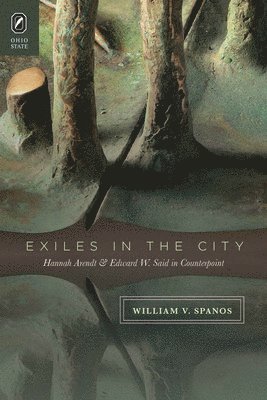
With the untimely death of Edward W. Said in 2003, various academic and public intellectuals worldwide have begun to reassess the writings of this powerful oppositional intellectual. Figures on the neoconservative right have already begun to discredit Said’s work as that of a subversive intent on slandering America’s benign global image and undermining its global authority. On the left, a significant number of oppositional intellectuals are eager to counter this neoconservative vilification, proffering a Said who, in marked opposition to the “anti-humanism” of the great poststructuralist thinkers who were his contemporaries--Jacques Derrida, Jean-Francois Lyotard, Jacques Lacan, Louis Althusser, and Michel Foucault--reaffirms humanism and thus rejects poststructuralist theory.
In this provocative assessment of Edward Said’s lifework, William V. Spanos argues that Said’s lifelong anti-imperialist project is actually a fulfillment of the revolutionary possibilities of poststructuralist theory. Spanos examines Said, his legacy, and the various texts he wrote--including Orientalism,Culture and Imperialism, and Humanism and Democratic Criticism--that are now being considered for their lasting political impact.
517 kr
Skickas inom 5-8 vardagar
347 kr
Skickas inom 3-6 vardagar
753 kr
Skickas inom 5-8 vardagar
303 kr
Skickas inom 5-8 vardagar
496 kr
Skickas inom 5-8 vardagar
702 kr
Läs direkt efter köp
1 494 kr
Skickas inom 10-15 vardagar
402 kr
Skickas inom 5-8 vardagar
1 625 kr
Skickas inom 3-6 vardagar
656 kr
Skickas inom 10-15 vardagar
867 kr
Läs direkt efter köp
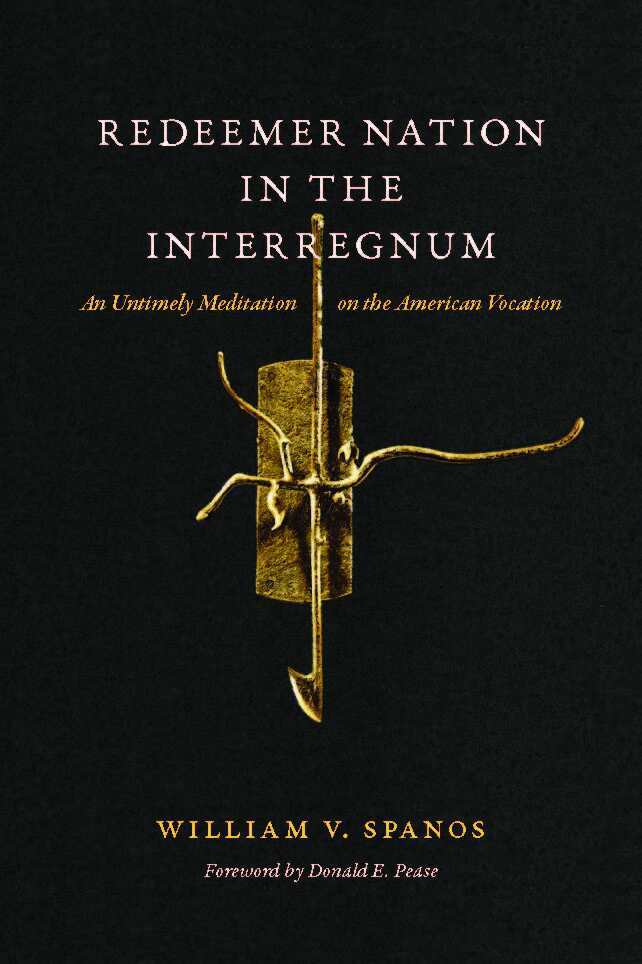
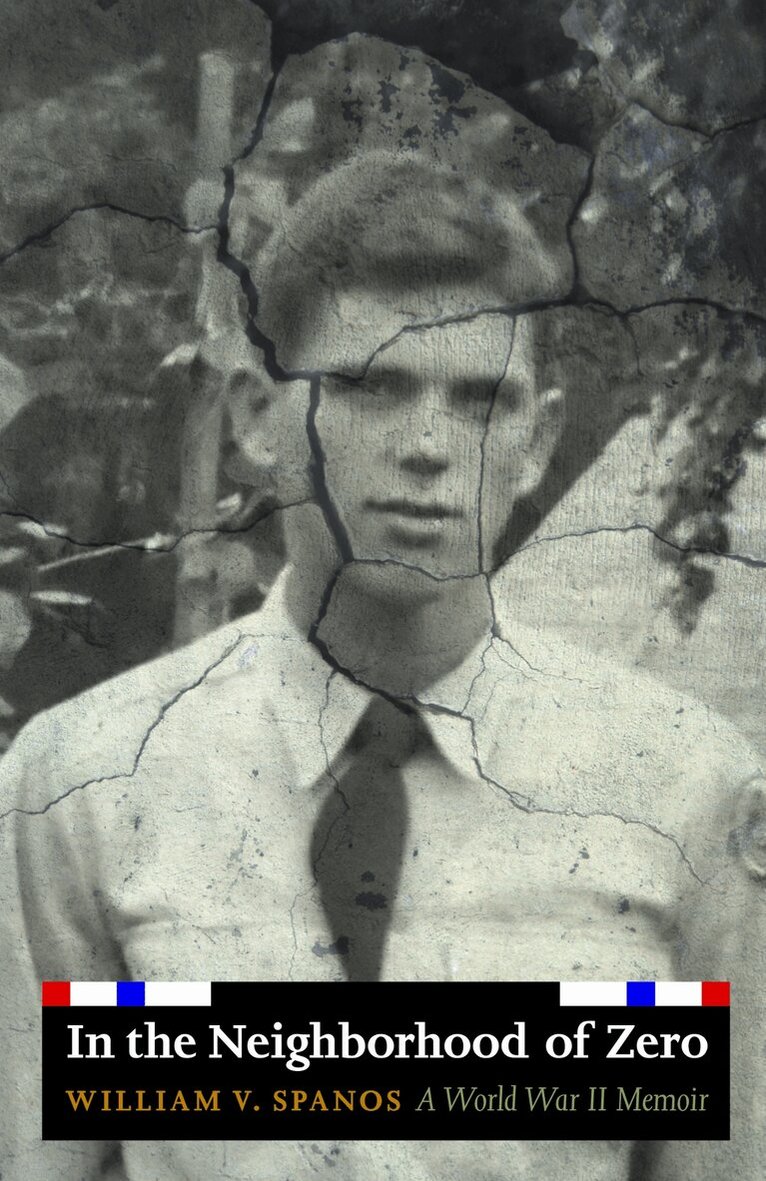
This book is an autobiographical meditation on the way in which the world’s population has been transformed into a society of refugees and émigrés seeking –indeed, demanding– an alternative way of political belonging. Focusing on the interregnum we have precariously occupied since the end of World War II—and especially after 9/11— it constitutes a series of genealogical chapters that trace the author’s journey from his experience as a prisoner of war in Nazi Germany to the horrific fire-bombing of Dresden in February 1945. In doing so, it explores his search for an intellectual vocation adequate to the dislocating epiphany he experienced in bearing witness to these traumatising events. Having subsequently lost faith in the logic of belonging perpetuated by the nation-state, Spanos charts how he began to look in the rubble of that zero zone for an alternative way of belonging: one in which the old binary —whose imperative was based on the violence of the Friend/enemy opposition— wasreplaced by a paradoxical loving strife that enriched rather than negated the potential of each side. The chapters in this book trace this errant vocational itinerary, from the author’s early undergraduate engagement with Kierkegaard and Heidegger to Cornel West, moving from that disclosive occasion in the zero zone to this present moment.
656 kr
Skickas inom 10-15 vardagar
1 111 kr
Tillfälligt slut
409 kr
Tillfälligt slut
1 241 kr
Tillfälligt slut
1 191 kr
Tillfälligt slut
449 kr
Tillfälligt slut