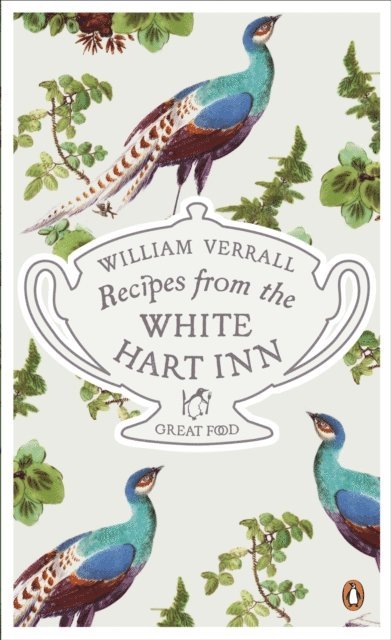
William Verral, the redoubtable eighteenth-century landlord of the White Hart Inn in Lewes, Sussex, trained under a continental chef and was determined to introduce the 'modern and best French cookery' to his customers. Gently mocking Englishmen who eat plain mutton chops or only possess one frying-pan, he gives enthusiastic advice on must-have kitchen gadgets and describes enticing dishes such as truffles in French wine and mackerel with fennel. This selection also includes the recipes that the poet Thomas Gray scribbled in his own well-thumbed copy of Verral's Complete System of Cookery, which was one of the best-loved food books of its time.
The book is about a young elephant who loves to sing. It is written in such a way that the reader can put-on the voices of the characters and can pretend to be frightened, happy, worried or exultant. Through such reading a love of stories can be developed in children and the vital foundation stones of their education can be laid. As children become confident and begin to mimic the reader, so their love of reading is developed. Best of all, this happenes in a caring, happy, loving atmosphere. The book is designed to be scrumptious. Reading should be fun!
William Verrall was master of the White Hart, an important coaching station on the High Street of Lewes, Sussex in the middle of the 18th Century. He had been apprenticed to the Duke of Newcastle's cook, the Frenchman St. Clouet, and his recipes are an inspired combination of the French and English Traditions. This delightful and lively recipe book gives a good idea of what it must have been like in the kitchen of a Georgian Inn. The author, William Verrall, was master of the White Hart in Lewes and his robust sense of humour shows in his own introduction, which with the recipes, was probably dictated to a minion. With very little adjustment to reduce the quantities, his dishes can be used in ordinary households today and were much admired by Elizabeth David who quotes from them in her own Spices, Salt and Aromatics in the English Kitchen.
William Verral, the redoubtable eighteenth-century landlord of the White Hart Inn in Lewes, Sussex, trained under a continental chef and was determined to introduce the 'modern and best French cookery' to his customers. Gently mocking Englishmen who eat plain mutton chops or only possess one frying-pan, he gives enthusiastic advice on must-have kitchen gadgets and describes enticing dishes such as truffles in French wine and mackerel with fennel. This selection also includes the recipes that the poet Thomas Gray scribbled in his own well-thumbed copy of Verral's Complete System of Cookery, which was one of the best-loved food books of its time.
The book is about a young elephant who loves to sing. It is written in such a way that the reader can put-on the voices of the characters and can pretend to be frightened, happy, worried or exultant. Through such reading a love of stories can be developed in children and the vital foundation stones of their education can be laid. As children become confident and begin to mimic the reader, so their love of reading is developed. Best of all, this happenes in a caring, happy, loving atmosphere. The book is designed to be scrumptious. Reading should be fun!
William Verrall was master of the White Hart, an important coaching station on the High Street of Lewes, Sussex in the middle of the 18th Century. He had been apprenticed to the Duke of Newcastle's cook, the Frenchman St. Clouet, and his recipes are an inspired combination of the French and English Traditions. This delightful and lively recipe book gives a good idea of what it must have been like in the kitchen of a Georgian Inn. The author, William Verrall, was master of the White Hart in Lewes and his robust sense of humour shows in his own introduction, which with the recipes, was probably dictated to a minion. With very little adjustment to reduce the quantities, his dishes can be used in ordinary households today and were much admired by Elizabeth David who quotes from them in her own Spices, Salt and Aromatics in the English Kitchen.