William W. Fitzhugh – författare
Visar alla böcker från författaren William W. Fitzhugh. Handla med fri frakt och snabb leverans.
3 produkter
3 produkter
Häftad, Engelska, 2009
462 kr
Skickas inom 5-8 vardagar
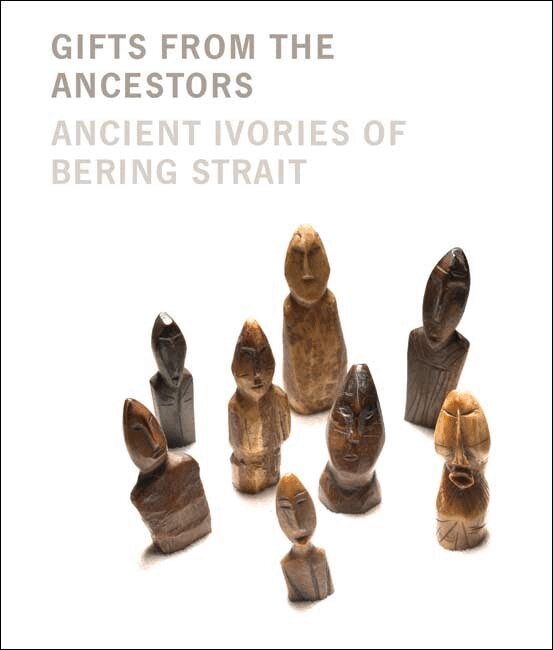
The appearance during the first millennium A.D. of small, exquisitely carved artifacts of walrus ivory in the Bering Strait region marks the beginning of an extraordinary florescence in the art and culture of North America. The discovery in the 1930s and 1940s of world-class carvings of animals, mythical beasts, shape-shifting creatures, masks, and human figurines astounded scholars and excited collectors. Nevertheless, the extraordinary objects that belong to this fascinating, sometimes frightening, world of hunting-related art remain largely unknown. Gifts from the Ancestors examines ancient ivories from the coast of Bering Strait, western Alaska, and the islands in between—illuminating their sophisticated formal aesthetic, cultural complexity, and individual histories. Many of the pieces discussed are from recent Russian excavations and are presented here for the first time in English; others are from private collections not usually open to the public. The essays, written by an international group of scholars, adopt a refreshing interdisciplinary approach that gives voice to the various competing, and now sometimes cooperating, stakeholders, including Native groups, museums, archaeologists, art historians, art dealers, and private collectors. Distributed for the Princeton University Art MuseumExhibition Schedule:Princeton University Art Museum (October 3, 2009 – January 10, 2010)
Häftad, Engelska, 2008
343 kr
Skickas inom 3-6 vardagar
E-bok
Engelska, 2020569 kr
Läs direkt efter köp
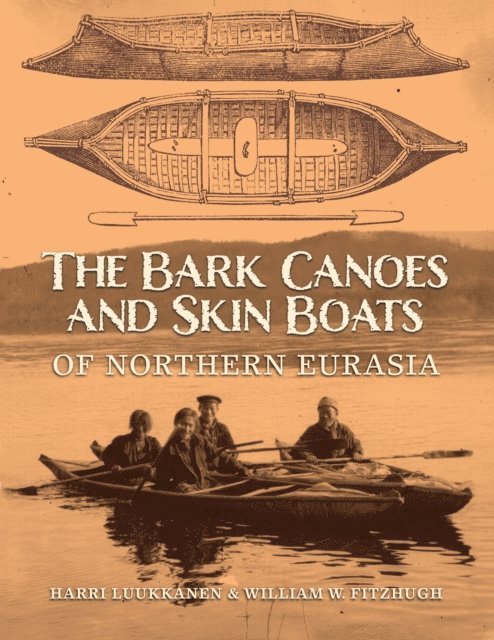
The Bark Canoes and Skin Boats of Northern Eurasia is a history and description of bark and skin boat traditions of the native peoples of Scandinavia and northern Russia. The history of northern peoples and cultures is inextricably linked to the technology of water transport. This is particularly true in northern Eurasia, where lakes and rivers can connect when overland summer travel is restricted by thick forests or bogs. For thousands of years, native peoples used a variety of bark and skin boats for fishing, hunting, trading, making war, and migrating.The Eurasian peoples, responding to their geography, climate, and environment, learned to construct--and perfect--small watercraft made from dug-out logs or the bark of birch, aspen, larch, and other trees, each variety crafted for its special use and environment. The text describes the design, construction, and uses of skin and bark boats for thirty-five traditional cultures ranging from northern Scandinavia to the Russian Far East, from the Bering Strait to northern China, and from South Siberia to the Arctic Ocean. Regional chapters use evidence from archaeology, historical illustrations and maps, and extensive documentation from ethnography and historical literature to reveal how differences in cultural traditions, historical relationships, climate, and geography have influenced the development and spread of watercraft before the introduction of modern planked boats.This definitive volume is richly illustrated with historical photographs and drawings, first-person explorer accounts from the 16th-19th centuries, and information on traditional bark and skin preparation, wood-bending, and other construction techniques. The Bark Canoes and Skin Boats of Northern Eurasia presents a first-ever overview of northern Eurasian boating traditions and serves as the companion to Charles Adney''s and Howard Chapelle''s classic, The Bark Canoes and Skin Boats of North America (1964).