William W. Young Iii – författare
Visar alla böcker från författaren William W. Young Iii. Handla med fri frakt och snabb leverans.
3 produkter
3 produkter
1 434 kr
Skickas inom 10-15 vardagar
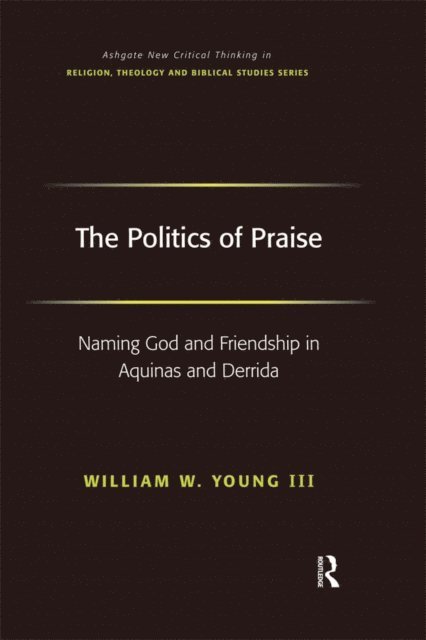
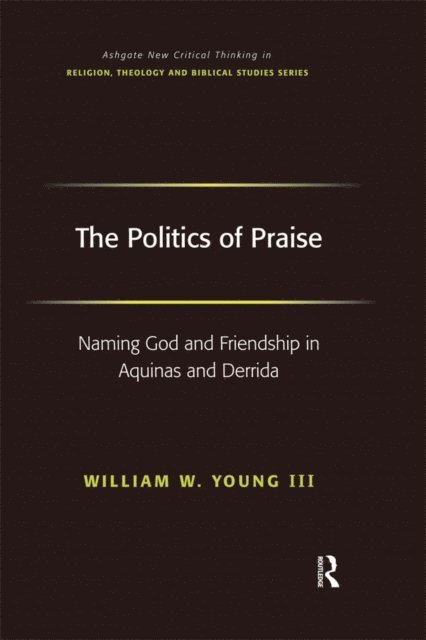
While the revelation of God's name is a central theological topic, its ethical and political significance are often overlooked. In a world filled with violence committed 'in the name of God', how might invoking God's name enable peace, community, and hope? The Politics of Praise argues that the redemptive potential of naming God lies in how this event transforms friendship. It breaks new ground by tracing the connections between naming God and friendship in the work of Thomas Aquinas and Jacques Derrida. Advancing an innovative reading of Aquinas on the divine names, the book explores how Dionysius' mysticism shapes Aquinas' appropriation of Aristotle's ethics, then retraces how Derrida's reading of religion renders possible an alternative conception of friendship. These explorations lead to a surprising convergence between Aquinas and Derrida on the conditions of friendship.
510 kr
Skickas inom 10-15 vardagar
While the revelation of God's name is a central theological topic, its ethical and political significance are often overlooked. In a world filled with violence committed 'in the name of God', how might invoking God's name enable peace, community, and hope? The Politics of Praise argues that the redemptive potential of naming God lies in how this event transforms friendship. It breaks new ground by tracing the connections between naming God and friendship in the work of Thomas Aquinas and Jacques Derrida. Advancing an innovative reading of Aquinas on the divine names, the book explores how Dionysius' mysticism shapes Aquinas' appropriation of Aristotle's ethics, then retraces how Derrida's reading of religion renders possible an alternative conception of friendship. These explorations lead to a surprising convergence between Aquinas and Derrida on the conditions of friendship.
1 142 kr
Skickas inom 10-15 vardagar
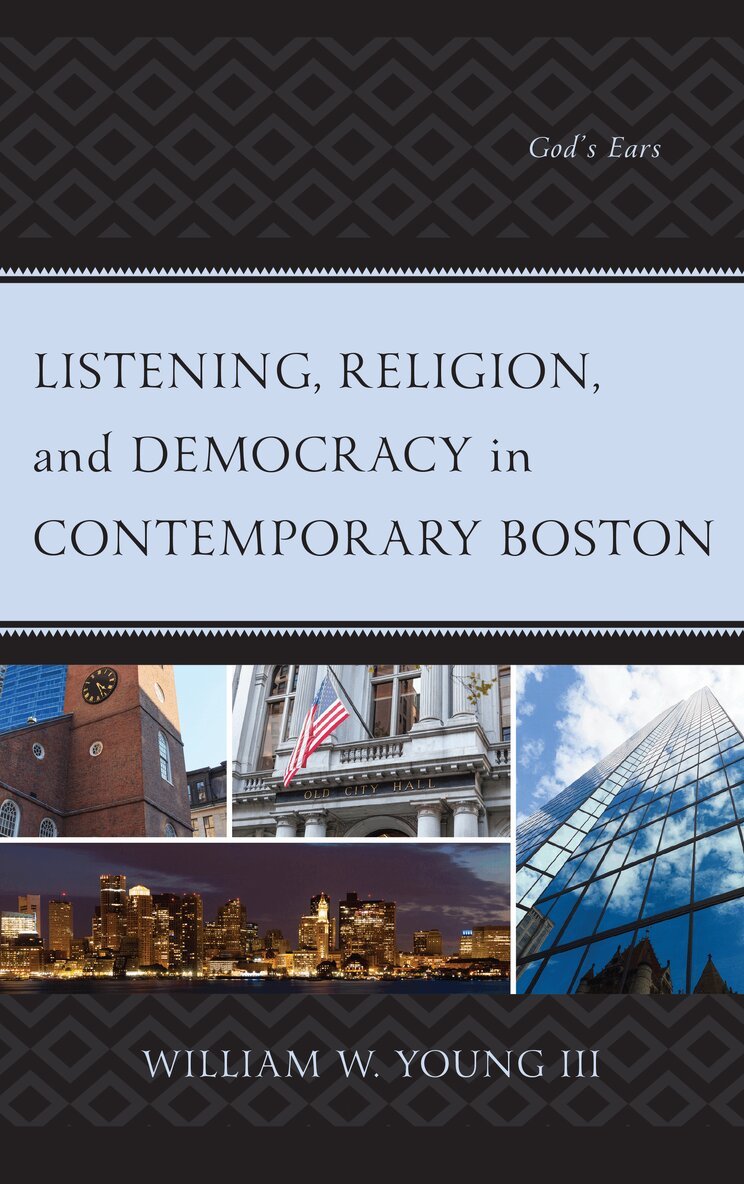
This book is a study of religious practices of listening in the Boston area. Through ethnographic study of a variety of religious communities, with an extensive focus on Quaker listening, it argues that religious practice shapes our habits of listening by creating a plurality of regimes of listening across Boston’s landscape. These practices, moreover, cultivate specific dispositions, as well as distinct patterns of religious and democratic virtues. Through these dispositions and virtues, religious listening facilitates a diverse range of forms of democratic engagement, and varied contributions to the pursuit of social justice. William Young provides an innovative interpretation of these religious practices. It argues that insofar as religious listening helps practitioners to extend and amplify their listening, and makes them more responsive to their communities, it creates a social mode of embodied receptivity and agency. Through both their listening and their actions, these groups express their conceptions of divinity, embodying divine attributes and activity within the sociopolitical realm—serving as God’s ears within the world. It is by interpreting their practices as creating modes of social discipline, reception, and agency that the book explicates the full significance of religious listening, in its adaptations and extensions of our aural capacities, and their implications for sociopolitical life.