Wine Tesseur – författare
2 179 kr
Skickas inom 10-15 vardagar
665 kr
Läs direkt efter köp
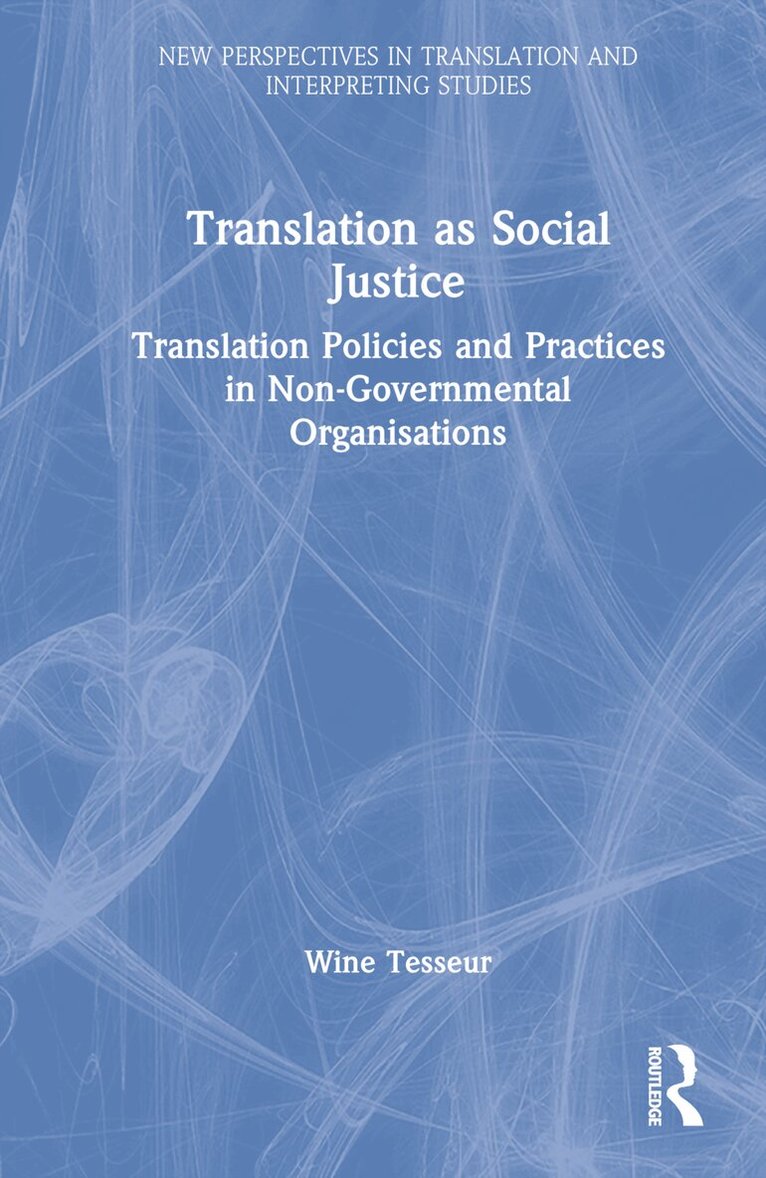
This book analyses the translation policies and practices of international non-governmental organisations (INGOs), engaging in critical questions around the ways in which translation can redress power dynamics between INGOs and the people they work with, and the role of activist researchers in contributing to these debates.
The volume examines the duality of translation and interpreting in INGOs, traditionally undervalued and under-resourced while simultaneously acknowledged as a powerful tool in ensuring these organisations work according to their own values of equal access to information, dialogue, and political representation. Drawing on over ten years of ethnographic fieldwork and interview data with a wide variety of INGOs, Tesseur offers unique insights into if and how INGOs plan for translation and interpreting needs while also critically reflecting on her own experience and the ways in which activist researchers like her can ensure social justice efforts are fully reflected in their own working practices. Encouraging a new interdisciplinary research agenda, the volume seeks to raise the profile of language and translation in humanitarian and development contexts and cross-disciplinary dialogue in scholarship on these issues.
The book will be of interest to scholars in translation and interpreting studies, sociolinguistics, development studies, and international relations.
665 kr
Läs direkt efter köp
This book analyses the translation policies and practices of international non-governmental organisations (INGOs), engaging in critical questions around the ways in which translation can redress power dynamics between INGOs and the people they work with, and the role of activist researchers in contributing to these debates.
The volume examines the duality of translation and interpreting in INGOs, traditionally undervalued and under-resourced while simultaneously acknowledged as a powerful tool in ensuring these organisations work according to their own values of equal access to information, dialogue, and political representation. Drawing on over ten years of ethnographic fieldwork and interview data with a wide variety of INGOs, Tesseur offers unique insights into if and how INGOs plan for translation and interpreting needs while also critically reflecting on her own experience and the ways in which activist researchers like her can ensure social justice efforts are fully reflected in their own working practices. Encouraging a new interdisciplinary research agenda, the volume seeks to raise the profile of language and translation in humanitarian and development contexts and cross-disciplinary dialogue in scholarship on these issues.
The book will be of interest to scholars in translation and interpreting studies, sociolinguistics, development studies, and international relations.
581 kr
Skickas inom 10-15 vardagar
548 kr
Skickas inom 10-15 vardagar
708 kr
Läs direkt efter köp
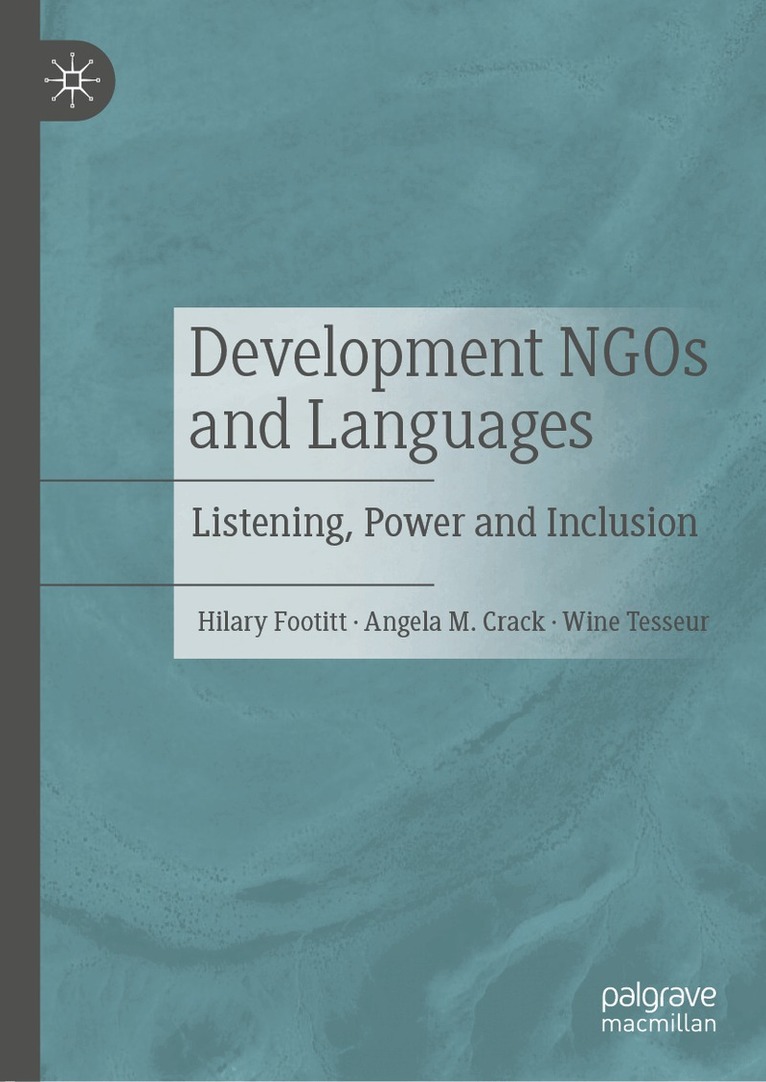
This book addresses, for the first time, the question of how development NGOs attempt to ''listen'' to communities in linguistically diverse environments. NGOs are under increasing pressure to demonstrate that they ''listen'' to the people and communities that they are trying to serve, but this can be an immensely challenging task where there are significant language and cultural differences. However, until now, there has been no systematic study of the role of foreign languages in development work. The authors present findings based on interviews with a wide range of NGO staff and government officials, NGO archives, and observations of NGO-community interaction in country case studies. They suggest ways in which NGOs can reform their language policies to listen to the recipients of aid more effectively.
548 kr
Skickas inom 10-15 vardagar