Witold Mucha – författare
Visar alla böcker från författaren Witold Mucha. Handla med fri frakt och snabb leverans.
5 produkter
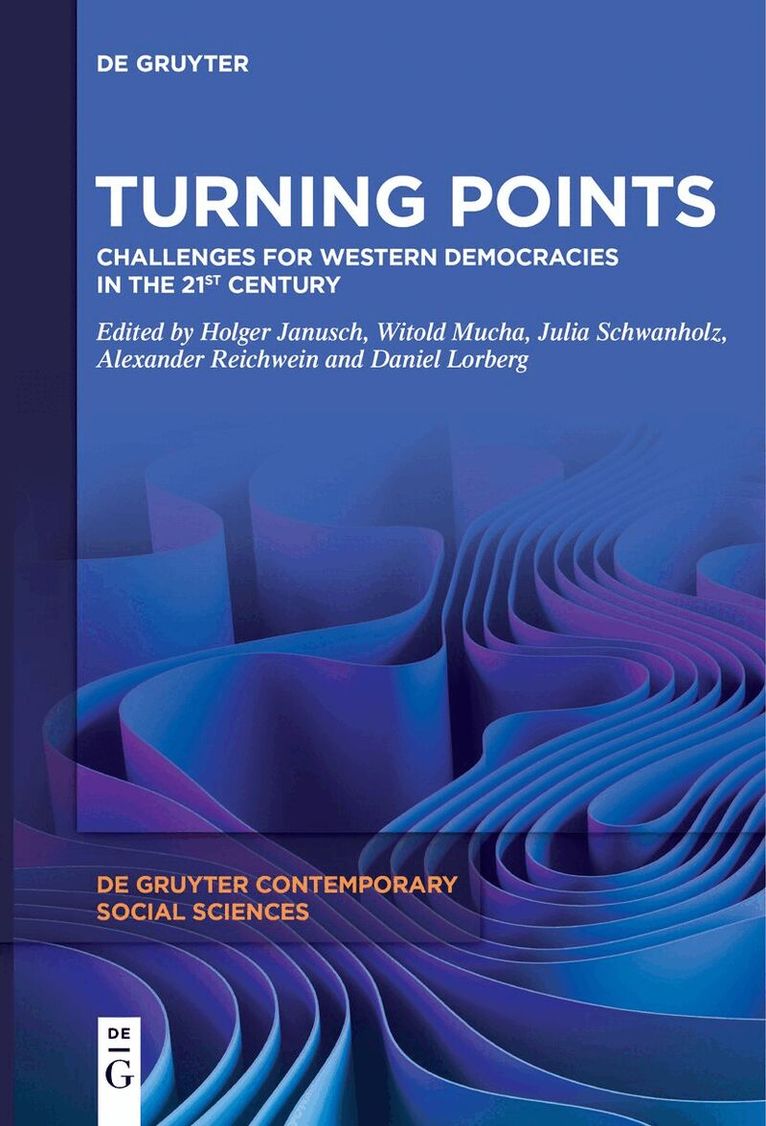
Turning Points
Challenges for Western Democracies in the 21st Century
Av Holger Janusch, Witold Mucha m. fl.
Inbunden, 2023
1322 kr
Lägg i varukorg
No detailed description available for "Turning Points".
Turning Points
Challenges for Western Democracies in the 21st Century
Av Daniel Lorberg, Alexander Reichwein m. fl.
E-bok, 2023
1298 kr
Lägg i varukorg
Turning Points: Challenges for Western Democracies in the 21st Century centers around the strikingly under-researched concept of turning points and its application in political science, including various theories, fields, and sub-disciplines. The chapters provide theoretical discussion and …
Turning Points
Challenges for Western Democracies in the 21st Century
Av Daniel Lorberg, Alexander Reichwein m. fl.
E-bok, 2023
1257 kr
Lägg i varukorg
Turning Points: Challenges for Western Democracies in the 21st Century centers around the strikingly under-researched concept of turning points and its application in political science, including various theories, fields, and sub-disciplines. The chapters provide theoretical discussion and …
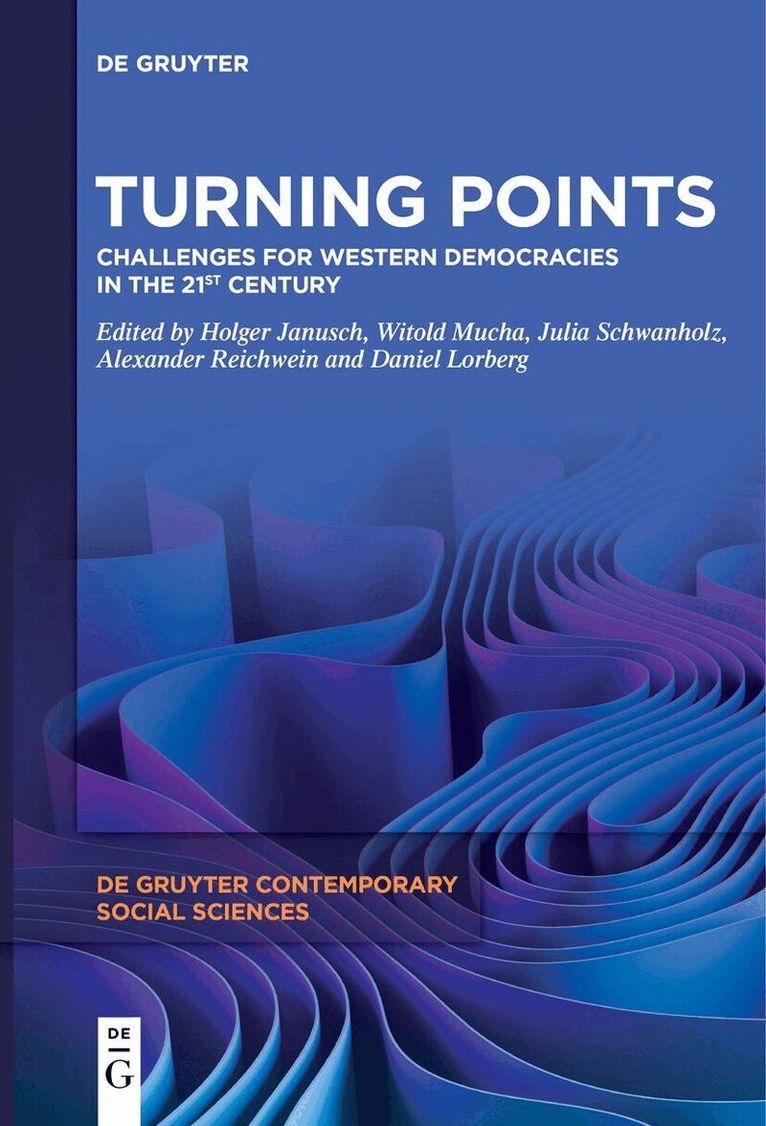
Turning Points
Challenges for Western Democracies in the 21st Century
Av Holger Janusch, Witold Mucha m. fl.
Häftad, 2024
329 kr
Lägg i varukorg
No detailed description available for "Turning Points".
Why Do Some Civil Wars Not Happen?
Peru and Bolivia Compared
Av Witold Mucha
Häftad, 2017
861 kr
Lägg i varukorg
Since its early beginnings peace and conflict research has focused on causes of phenomena such as civil war, terrorism, and state failure. The author merges this approach with a peace causes perspective and asks why civil war happened in Peru (1980-1995) though not in Bolivia, which is striking …