Wojciech Woźniak – författare
1 833 kr
Skickas inom 10-15 vardagar
730 kr
Läs direkt efter köp
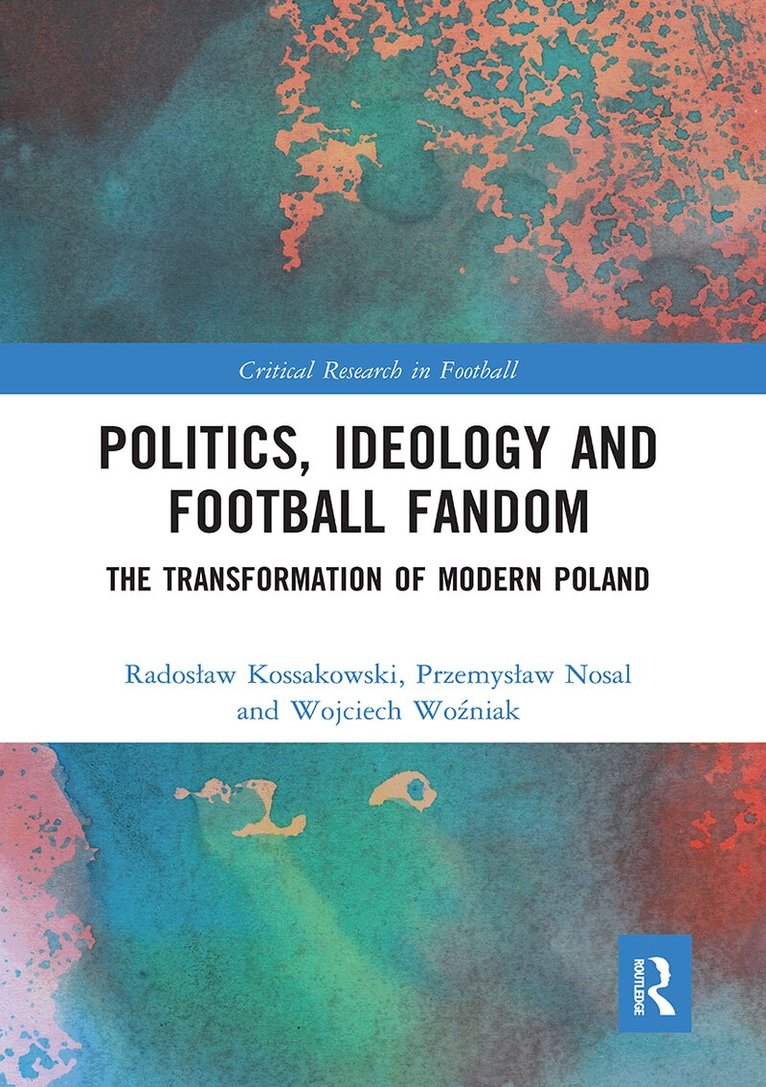
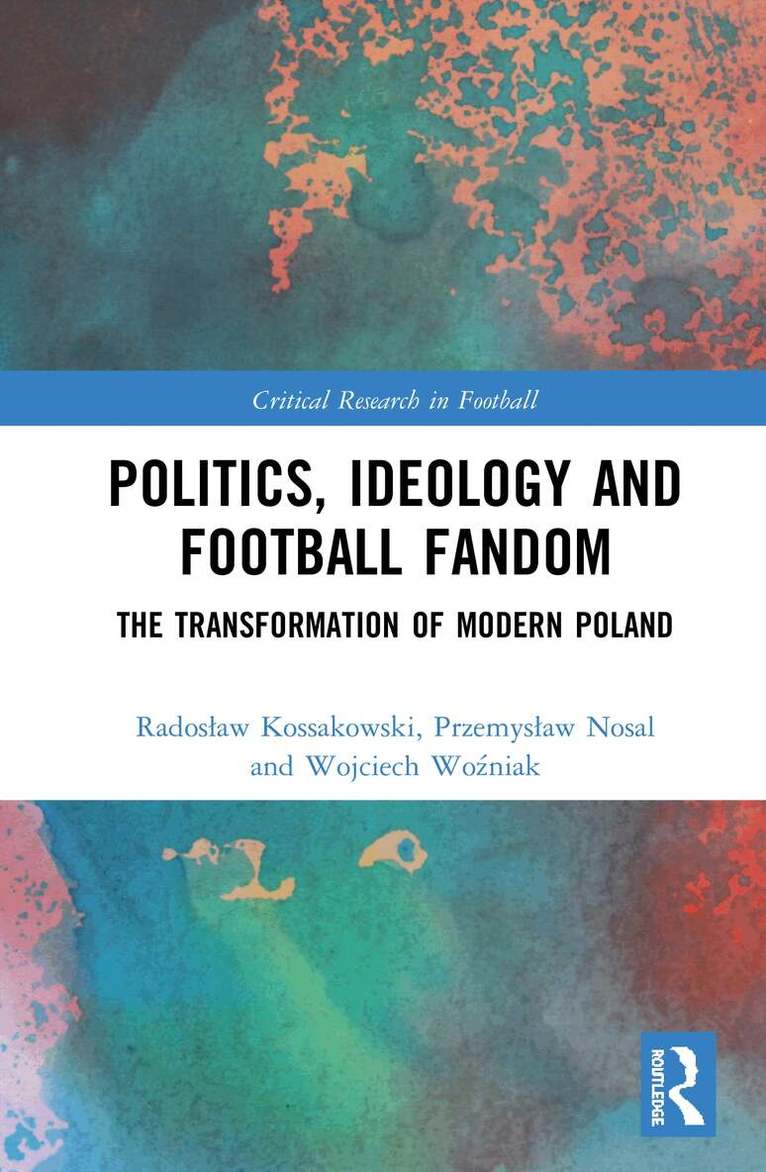
Football fans and football culture represent a unique prism through which to view contemporary society and politics. Based on in-depth empirical research into football in Poland, this book examines how fans develop political identities and how those identities can influence the wider political culture.
It surveys the turbulent history of Poland in recent decades and explores the dominant right-wing ideology on the terraces, characterised by nationalism, ‘traditional’ values and anti-immigrant sentiment. As one of the first book-length studies of fandom in Eastern Europe, this book makes an important contribution to our understanding of society and politics in post-Communist states.
Politics, Ideology and Football Fandom is an important read for students and researchers studying sport, politics and identity, as well as those working in sports studies and political studies covering sociology of sport, globalisation studies, East European politics, ethnic studies, social movements studies, political history and nationalism studies.
757 kr
Läs direkt efter köp
Football fans and football culture represent a unique prism through which to view contemporary society and politics. Based on in-depth empirical research into football in Poland, this book examines how fans develop political identities and how those identities can influence the wider political culture.
It surveys the turbulent history of Poland in recent decades and explores the dominant right-wing ideology on the terraces, characterised by nationalism, ‘traditional’ values and anti-immigrant sentiment. As one of the first book-length studies of fandom in Eastern Europe, this book makes an important contribution to our understanding of society and politics in post-Communist states.
Politics, Ideology and Football Fandom is an important read for students and researchers studying sport, politics and identity, as well as those working in sports studies and political studies covering sociology of sport, globalisation studies, East European politics, ethnic studies, social movements studies, political history and nationalism studies.
638 kr
Skickas inom 10-15 vardagar
2 181 kr
Skickas inom 10-15 vardagar
652 kr
Skickas inom 10-15 vardagar
698 kr
Läs direkt efter köp
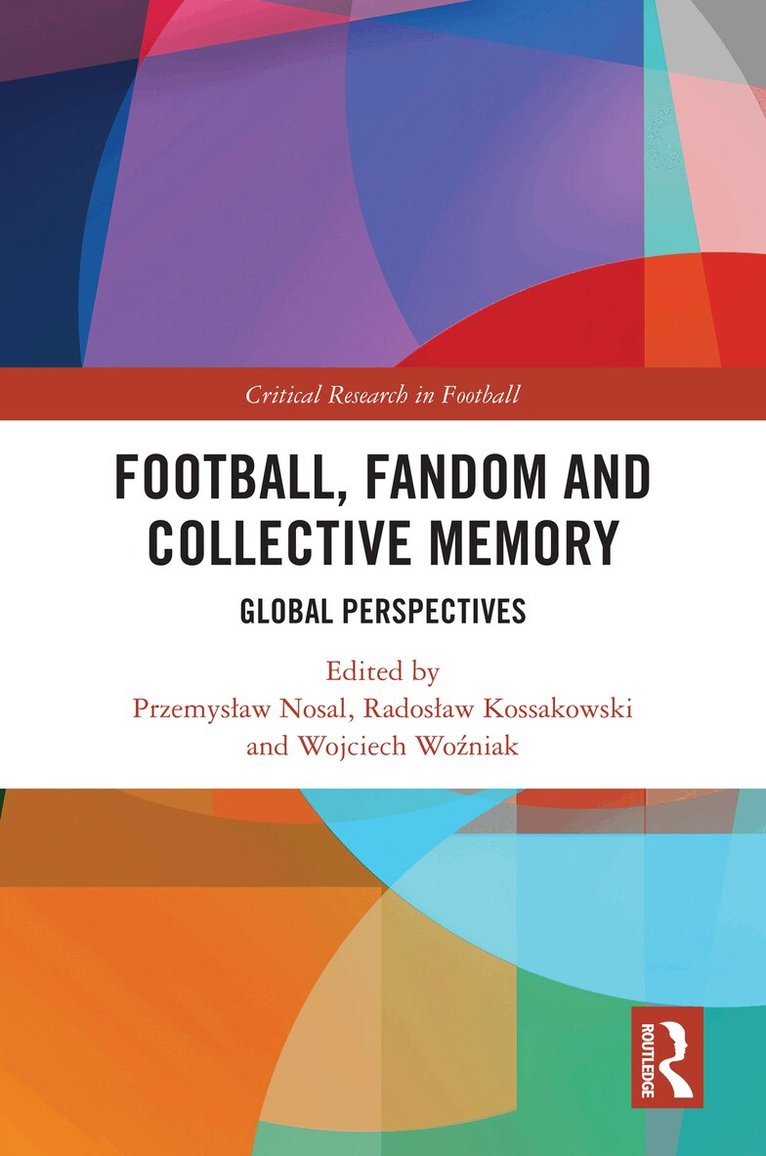
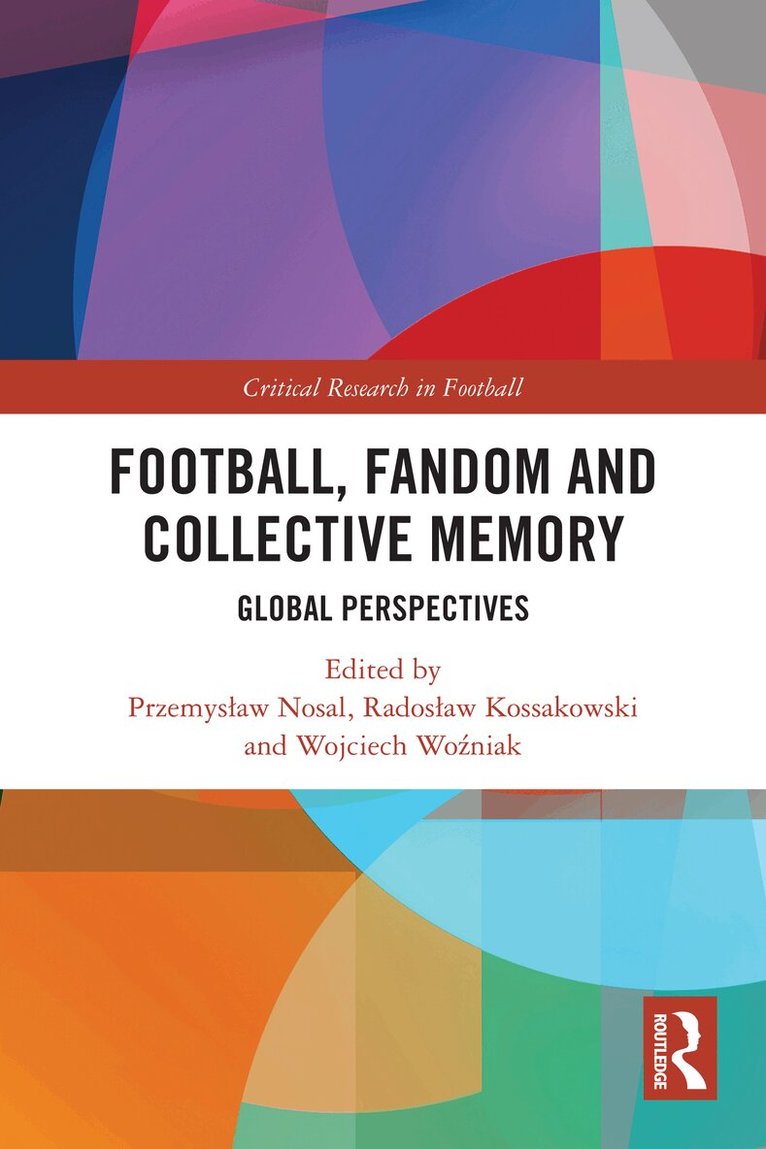
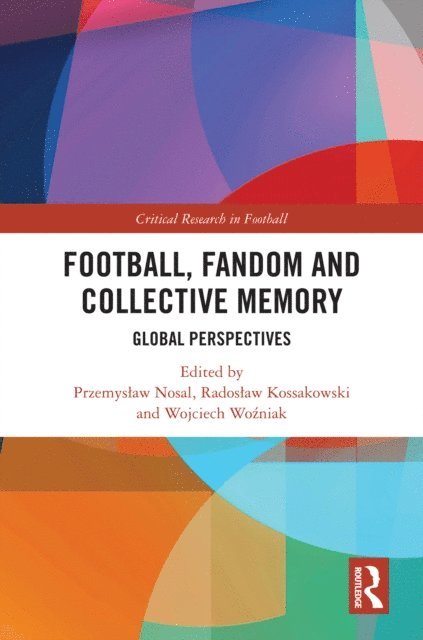
This book examines the topic of identity and collective memory in football fandom. Drawing on global research in history, sociology and political science, the book looks at how, where and why football fans and supporters’ groups introduce particular role models into their self-identity and performative narratives.
The book presents original, cutting-edge research that illustrates the complex, multidimensional nature of the (re-)formulation of collective memory and the elevation of role models. It looks at the processes by which some supporters’ groups celebrate historical and contemporary figures – including political leaders, warriors, revolutionaries, or armed resistance groups – that they believe embody patriotic, regional or nationalist virtues, as well as supporters’ groups who define their patriotism in opposition to these figures. The book presents cases ranging from Ukrainian football ultras in the shadow of Russian aggression, and Jewish role models in Germany’s collective football memory, to the symbology of Che Guevara and Diego Maradona in Brazilian and Argentinian football, to hero formation and the myths of national identity in Australian football.
This is fascinating reading for anybody with an interest in the sociology, culture or politics of sport, or in fandom, identity, nationalism more broadly in sociology, political science or history.
704 kr
Läs direkt efter köp
This book examines the topic of identity and collective memory in football fandom. Drawing on global research in history, sociology and political science, the book looks at how, where and why football fans and supporters’ groups introduce particular role models into their self-identity and performative narratives.
The book presents original, cutting-edge research that illustrates the complex, multidimensional nature of the (re-)formulation of collective memory and the elevation of role models. It looks at the processes by which some supporters’ groups celebrate historical and contemporary figures – including political leaders, warriors, revolutionaries, or armed resistance groups – that they believe embody patriotic, regional or nationalist virtues, as well as supporters’ groups who define their patriotism in opposition to these figures. The book presents cases ranging from Ukrainian football ultras in the shadow of Russian aggression, and Jewish role models in Germany’s collective football memory, to the symbology of Che Guevara and Diego Maradona in Brazilian and Argentinian football, to hero formation and the myths of national identity in Australian football.
This is fascinating reading for anybody with an interest in the sociology, culture or politics of sport, or in fandom, identity, nationalism more broadly in sociology, political science or history.