Wolfram Grajetzki – författare
Visar alla böcker från författaren Wolfram Grajetzki. Handla med fri frakt och snabb leverans.
15 produkter
15 produkter
Häftad, Engelska, 2024
312 kr
Skickas inom 10-15 vardagar
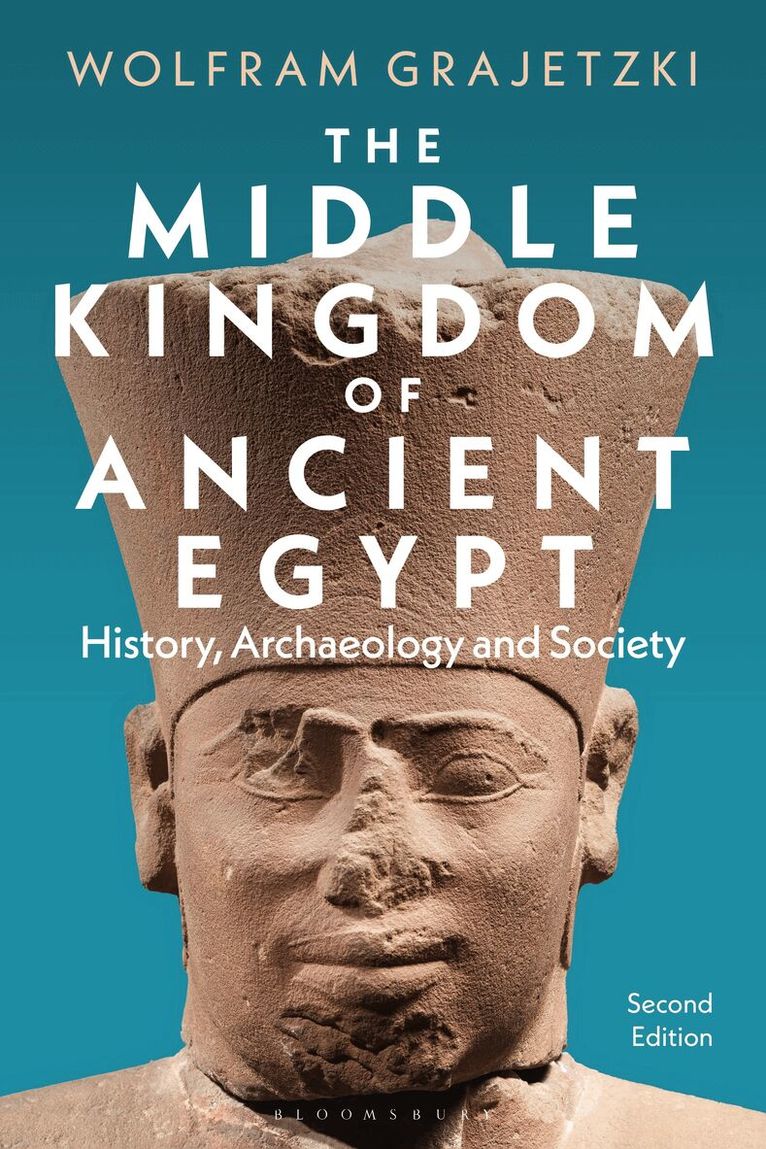
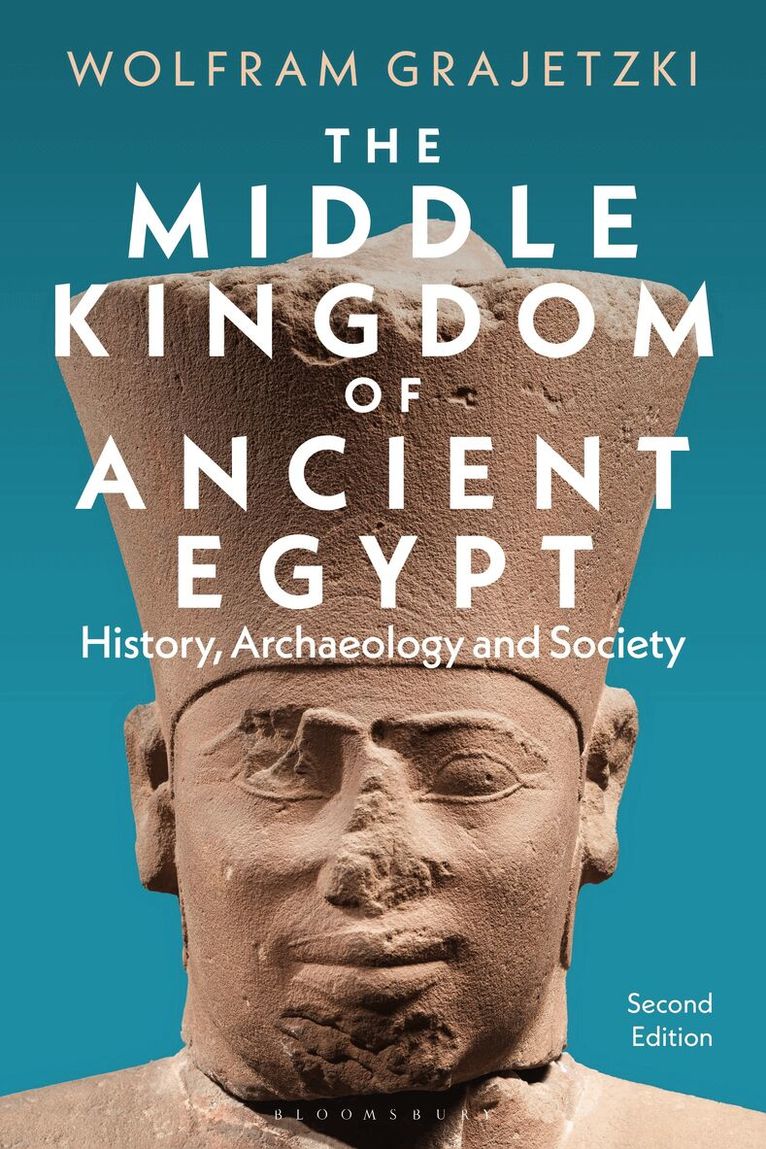
For the ancient Egyptians, the Middle Kingdom (c. 2000-1700 BC) was a classical period of art, history and literature. The Twelfth Dynasty was one of the strongest ever to rule on the banks of the Nile: some of its kings were later worshipped as local gods, and were made famous by classical Greek authors. Yet Egyptologists tend not to look beyond the extraordinary royal sculpture and literary masterpieces of the time.Although the picture is fragmentary, as with any archaeological record, the last two hundred years of exploration and excavation have revealed much of the splendour of the period. This book examines the evidence for the culture, history and society of both central and provincial Egypt at the time, revealing the wealth of the entire country. In this second edition, Wolfram Grajetzki incorporates recent discoveries, discussions and publications which have emerged over the intervening fifteen years, including new excavation reports for the mastabas at Lisht and excavations at Abydos. Too often overshadowed by the better-preserved architecture of other periods, Middle Kingdom Egypt emerges for the reader as a fascinating age in its own right.
Häftad, Engelska, 2009
562 kr
Skickas inom 10-15 vardagar
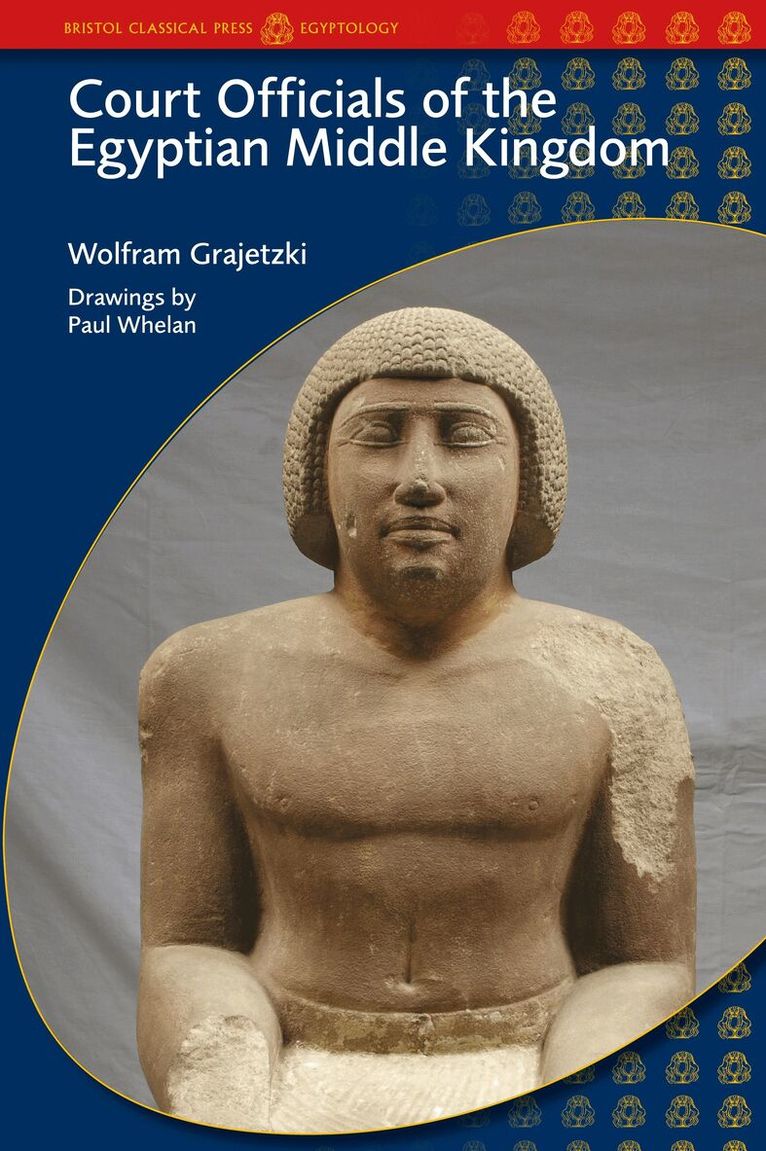
Building on the latest research, Wolfram Grajetzki here looks in detail at the circle of officials that surrounded the king in the Middle Kingdom of ancient Egypt (Eleventh to Thirteenth Dynasty, also including the Second Intermediate Period; c. 2040-1550 BC). Describing the history of the principal offices of state, he takes into account inscriptions, monuments and the few preserved tombs, and traces the careers of some individual officials. The holders of these offices were the men chosen by the king to be his close advisers. They received strings of important titles, and their monuments are among the finest works of art and architecture of the time. Over all the other officials and second only to the king stood the 'tjaty', or vizier, while alongside him and of only slightly lower status, the treasurer was in charge of the resources of the country. From the evidence for these men, a new, more precise image emerges of ancient Egyptian civilization in its monumental accomplishments and its daily operations. "Court Officials of the Middle Kingdom" is essential reading for all scholars and students of the period. The text is copiously illustrated with drawings by Paul Whelan.
Häftad, Engelska, 2011
420 kr
Skickas inom 10-15 vardagar
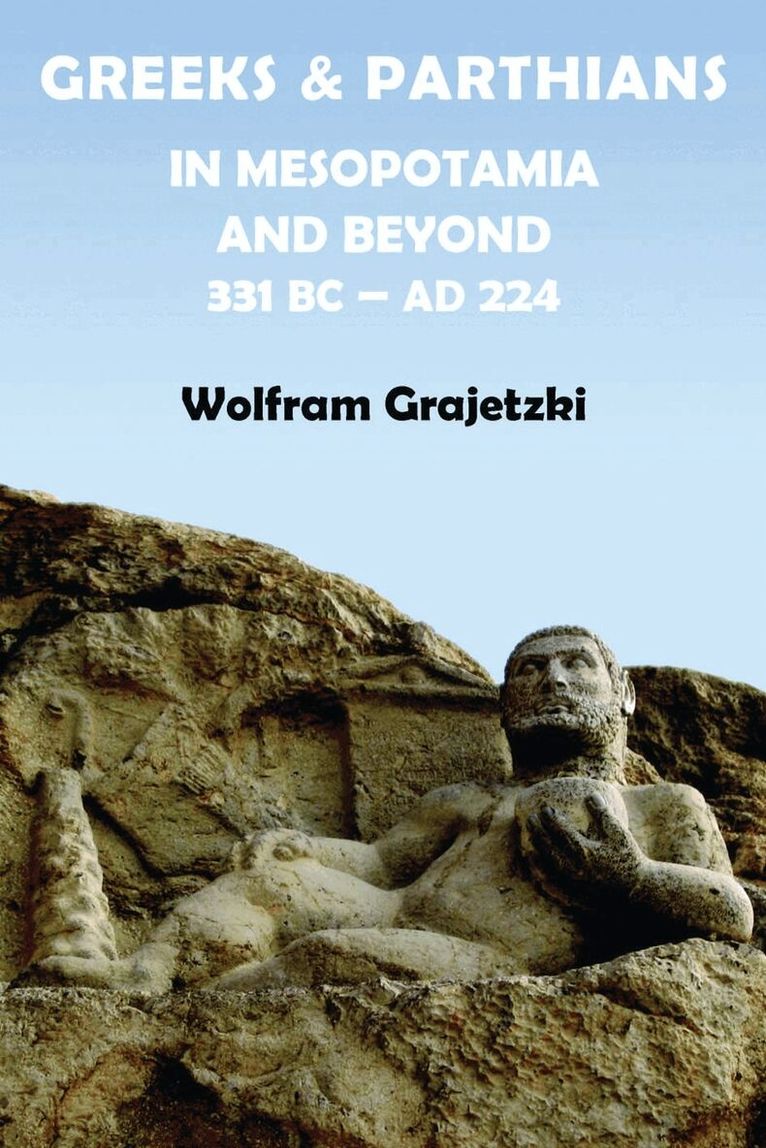
Greeks and Parthians is an innovative, archaeologically based investigation into urban life in Mesopotamia and the northern part of what is now the Persian Gulf, from the arrival of Alexander the Great to the end of the Parthian Empire. With detailed coverage of the cities of Seleucia-Ktesiphon, Babylon, Uruk, Susa, Spasinou Charax, Ikaros (Failaka) and Tylos (Bahrein), Wolfram Grajetzki shows that for most people in the region, life and material culture were not, as is commonly stated, transformed by the coming of the Greeks. The Parthians have tended to receive a negative press from historians, but their supremacy lasted some 350 years and the archaeology of their cities reveals innovations in architecture and decorative arts, with lavishly equipped houses showing a high standard of living.
E-bok
Engelska, 20131 548 kr
Läs direkt efter köp
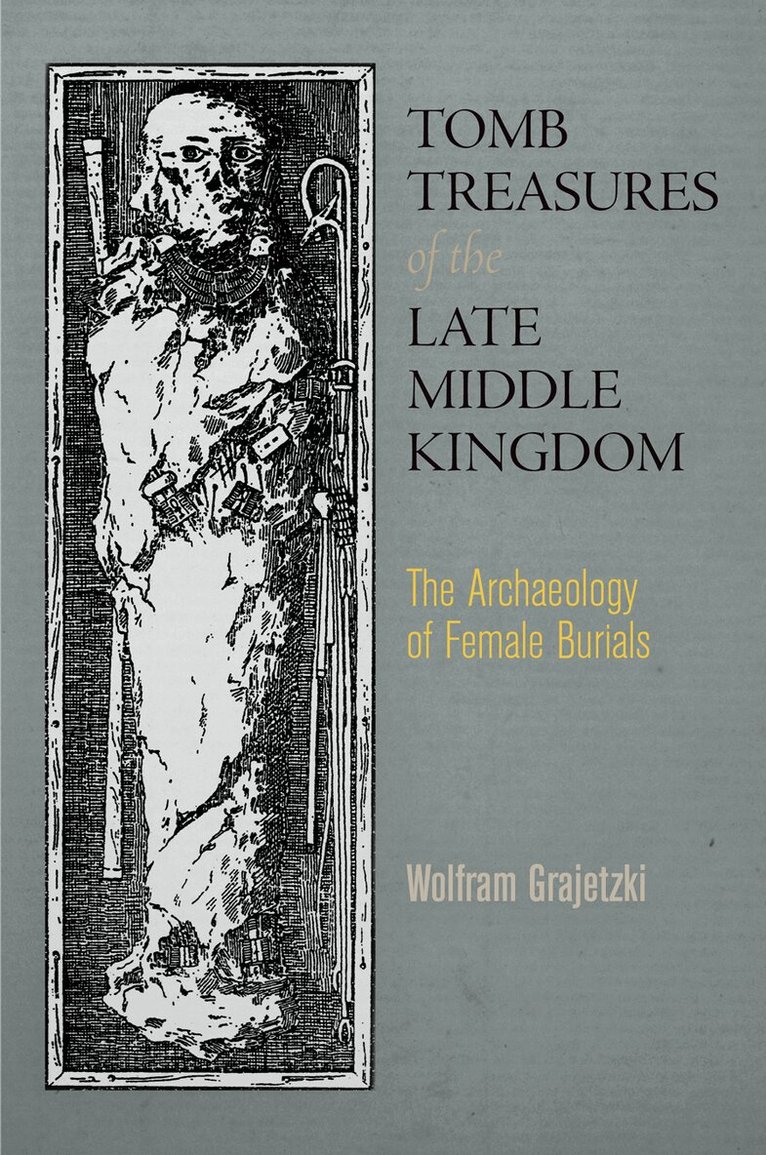
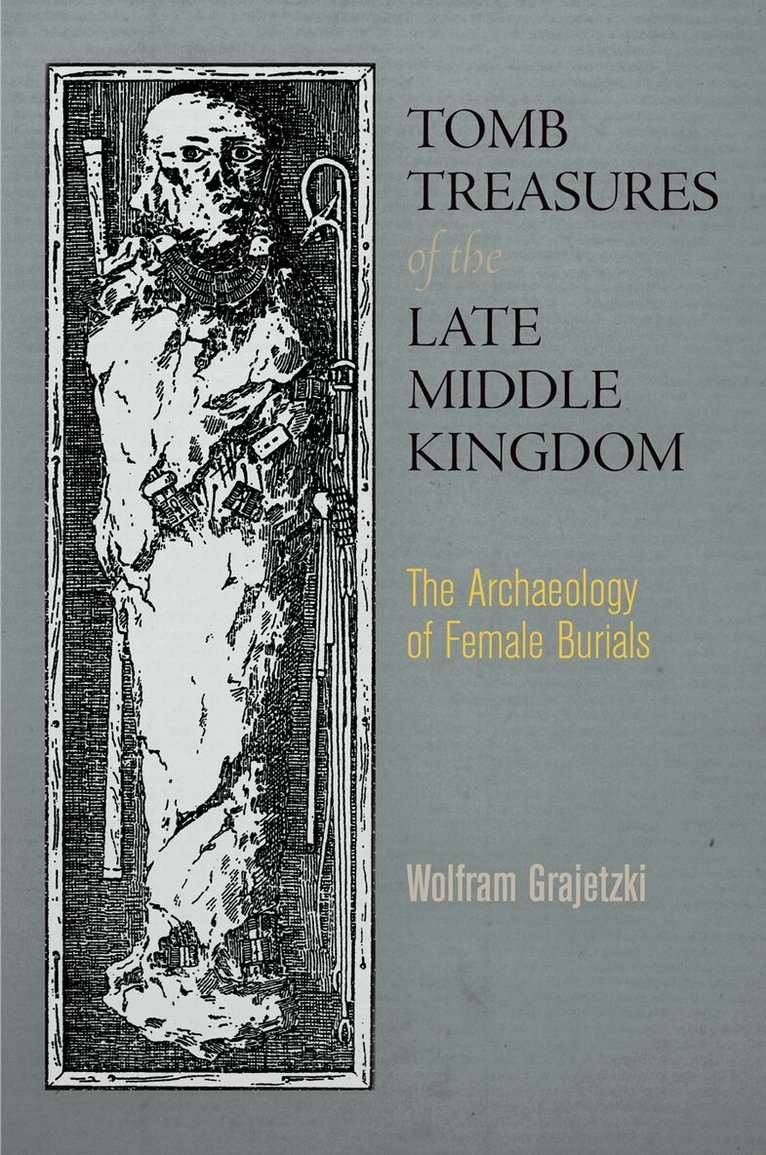
During the late Middle Kingdom (about 1850-1700 B.C.E.), ancient Egyptian women of high standing were interred with lavish ornamentation and carefully gathered possessions. Buried near the pyramids of kings, women with royal connections or great wealth and status were surrounded by fine pottery and vessels for sacred oils, bedecked with gold and precious stones, and honored with royal insignia and marks of Osiris. Their funerary possessions include jewelry imported from other ancient lands and gold-handled daggers and claspless jewelry made only to be worn in the tomb.Extensively illustrated with archival images and the author's own drawings, Tomb Treasures of the Late Middle Kingdom describes and compares the opulent tombs of eminent and royal women. In addition to the ornaments, many of which are considered masterpieces of Middle Kingdom craft, Egyptologist Wolfram Grajetzki examines the numerous grave goods, artifacts of daily life, and markers of social status that were also placed in tombs, presenting a more complete picture of funerary customs in this period. By considering celebrated examples of female burials together for the first time, Tomb Treasures of the Late Middle Kingdom sheds new light on the role and status of women in the royal court and explores how the gendered identity of those women was preserved in the grave.
Inbunden, Engelska, 2014
1 089 kr
Skickas inom 10-15 vardagar
During the late Middle Kingdom (about 1850-1700 B.C.E.), ancient Egyptian women of high standing were interred with lavish ornamentation and carefully gathered possessions. Buried near the pyramids of kings, women with royal connections or great wealth and status were surrounded by fine pottery and vessels for sacred oils, bedecked with gold and precious stones, and honored with royal insignia and marks of Osiris. Their funerary possessions include jewelry imported from other ancient lands and gold-handled daggers and claspless jewelry made only to be worn in the tomb.Extensively illustrated with archival images and the author's own drawings, Tomb Treasures of the Late Middle Kingdom describes and compares the opulent tombs of eminent and royal women. In addition to the ornaments, many of which are considered masterpieces of Middle Kingdom craft, Egyptologist Wolfram Grajetzki examines the numerous grave goods, artifacts of daily life, and markers of social status that were also placed in tombs, presenting a more complete picture of funerary customs in this period. By considering celebrated examples of female burials together for the first time, Tomb Treasures of the Late Middle Kingdom sheds new light on the role and status of women in the royal court and explores how the gendered identity of those women was preserved in the grave.
Häftad, Engelska, 2022
246 kr
Skickas inom 7-10 vardagar
This Element provides a new evaluation of burial customs in New Kingdom Egypt, from about 1550 to 1077 BC, with an emphasis on burials of the wider population. It also covers the regions then under Egyptian control: the Southern Levant and the area of Nubia as far as the Fourth Cataract. The inclusion of foreign countries provides insights not only into the interaction between the centre of the empire and its conquered regions, but also concerning what is typically Egyptian and to what extent the conquered regions were culturally influenced. It can be shown that burials in Lower Nubia closely follow those in Egypt. In the southern Levant, by contrast, cemeteries of the period often yield numerous Egyptian objects, but burial customs in general do not follow those in Egypt.
E-bok
PDF, Engelska, 2022283 kr
Läs direkt efter köp
This Element provides a new evaluation of burial customs in New Kingdom Egypt, from about 1550 to 1077 BC, with an emphasis on burials of the wider population. It also covers the regions then under Egyptian control: the Southern Levant and the area of Nubia as far as the Fourth Cataract. The inclusion of foreign countries provides insights not only into the interaction between the centre of the empire and its conquered regions, but also concerning what is typically Egyptian and to what extent the conquered regions were culturally influenced. It can be shown that burials in Lower Nubia closely follow those in Egypt. In the southern Levant, by contrast, cemeteries of the period often yield numerous Egyptian objects, but burial customs in general do not follow those in Egypt.
E-bok
Engelska, 2022294 kr
Läs direkt efter köp
This Element provides a new evaluation of burial customs in New Kingdom Egypt, from about 1550 to 1077 BC, with an emphasis on burials of the wider population. It also covers the regions then under Egyptian control: the Southern Levant and the area of Nubia as far as the Fourth Cataract. The inclusion of foreign countries provides insights not only into the interaction between the centre of the empire and its conquered regions, but also concerning what is typically Egyptian and to what extent the conquered regions were culturally influenced. It can be shown that burials in Lower Nubia closely follow those in Egypt. In the southern Levant, by contrast, cemeteries of the period often yield numerous Egyptian objects, but burial customs in general do not follow those in Egypt.
Inbunden, Engelska, 2024
979 kr
Skickas inom 10-15 vardagar
For the ancient Egyptians, the Middle Kingdom (c. 2000-1700 BC) was a classical period of art, history and literature. The Twelfth Dynasty was one of the strongest ever to rule on the banks of the Nile: some of its kings were later worshipped as local gods, and were made famous by classical Greek authors. Yet Egyptologists tend not to look beyond the extraordinary royal sculpture and literary masterpieces of the time.Although the picture is fragmentary, as with any archaeological record, the last two hundred years of exploration and excavation have revealed much of the splendour of the period. This book examines the evidence for the culture, history and society of both central and provincial Egypt at the time, revealing the wealth of the entire country. In this second edition, Wolfram Grajetzki incorporates recent discoveries, discussions and publications which have emerged over the intervening fifteen years, including new excavation reports for the mastabas at Lisht and excavations at Abydos. Too often overshadowed by the better-preserved architecture of other periods, Middle Kingdom Egypt emerges for the reader as a fascinating age in its own right.
E-bok
PDF, Engelska, 2024348 kr
Läs direkt efter köp
For the ancient Egyptians, the Middle Kingdom (c. 2000-1700 BC) was a classical period of art, history and literature. The Twelfth Dynasty was one of the strongest ever to rule on the banks of the Nile: some of its kings were later worshipped as local gods, and were made famous by classical Greek authors. Yet Egyptologists tend not to look beyond the extraordinary royal sculpture and literary masterpieces of the time. Although the picture is fragmentary, as with any archaeological record, the last two hundred years of exploration and excavation have revealed much of the splendour of the period. This book examines the evidence for the culture, history and society of both central and provincial Egypt at the time, revealing the wealth of the entire country. In this second edition, Wolfram Grajetzki incorporates recent discoveries, discussions and publications which have emerged over the intervening fifteen years, including new excavation reports for the mastabas at Lisht and excavations at Abydos. Too often overshadowed by the better-preserved architecture of other periods, Middle Kingdom Egypt emerges for the reader as a fascinating age in its own right.
E-bok
Engelska, 2024336 kr
Läs direkt efter köp
For the ancient Egyptians, the Middle Kingdom (c. 2000-1700 BC) was a classical period of art, history and literature. The Twelfth Dynasty was one of the strongest ever to rule on the banks of the Nile: some of its kings were later worshipped as local gods, and were made famous by classical Greek authors. Yet Egyptologists tend not to look beyond the extraordinary royal sculpture and literary masterpieces of the time. Although the picture is fragmentary, as with any archaeological record, the last two hundred years of exploration and excavation have revealed much of the splendour of the period. This book examines the evidence for the culture, history and society of both central and provincial Egypt at the time, revealing the wealth of the entire country. In this second edition, Wolfram Grajetzki incorporates recent discoveries, discussions and publications which have emerged over the intervening fifteen years, including new excavation reports for the mastabas at Lisht and excavations at Abydos. Too often overshadowed by the better-preserved architecture of other periods, Middle Kingdom Egypt emerges for the reader as a fascinating age in its own right.
Del 1007 - BAR International Series
Two Treasurers of the Late Middle Kingdom (Egypt)
Häftad, Engelska, 2001
422 kr
Skickas inom 3-6 vardagar
E-bok
Spanska, 2025153 kr
Läs direkt efter köp
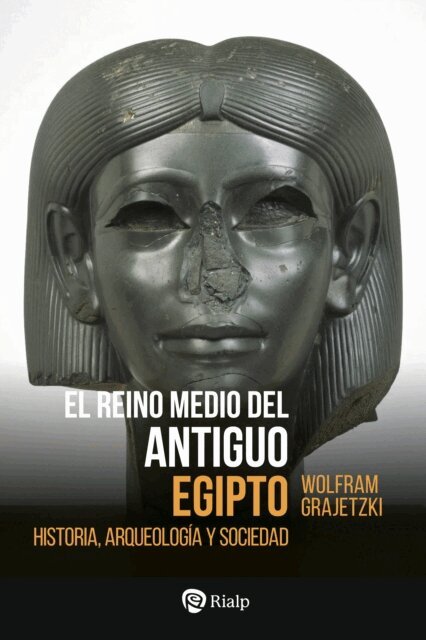
Para los antiguos egipcios, el Imperio Medio (c. 2000- 1700 a. C.) fue un período clásico de arte, historia y literatura. La XII Dinastía fue una de las más fuertes que jamás gobernaron en las orillas del Nilo: algunos de sus reyes fueron posteriormente adorados y se hicieron famosos por los autores griegos clásicos.Sin embargo, los egiptólogos tienden a no mirar más allá de la extraordinaria escultura real y las obras maestras literarias de la época. Aunque el panorama es fragmentario, como ocurre con cualquier registro arqueológico, los últimos doscientos años de exploración y excavación revelan un esplendor hasta entonces desconocido. Este libro examina la cultura, la historia y la sociedad egipcia en esa época, eclipsadas a menudo por la arquitectura mejor conservada de otros períodos. Sin embargo, el Egipto del Reino Medio demuestra ser una época fascinante por derecho propio.
324 kr
Tillfälligt slut
Del 7 - GHP Egyptology
Life and Afterlife in Ancient Egypt During the Middle Kingdom and Second Intermediate Period
Häftad, Engelska, 2007
687 kr
Tillfälligt slut