Worldwatch Institute – författare
462 kr
Skickas inom 5-8 vardagar
438 kr
Läs direkt efter köp
438 kr
Läs direkt efter köp
403 kr
Läs direkt efter köp
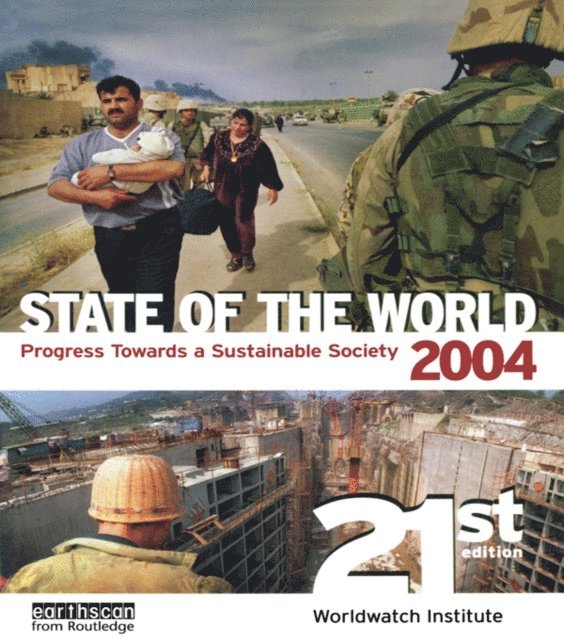
State of the World 2004 takes a fresh look at the trends that have put the global economy on a collision course with the Earth''s ecosystems. This year''s edition has a special focus on the theme of consumption. It questions whether a less-consumptive society is possible; and concludes that it is essential. The book explores overconsumption, a by-product of affluence; and underconsumption, linked to poverty, and provides ''behind the scenes'' exposes of the devastating environmental impacts of some of our most popular products, from plastic bags, to paper, to mobile phones.
Published annually in 28 languages, each edition draws on the breadth of expertise of Worldwatch''s award-winning team of writers and researchers. State of the World is relied upon by national governments, UN agencies, development workers and law-makers for its authoritative and up-to-the-minute analysis and information. It is essential for anyone concerned with building a positive, global future.
403 kr
Läs direkt efter köp
State of the World 2004 takes a fresh look at the trends that have put the global economy on a collision course with the Earth''s ecosystems. This year''s edition has a special focus on the theme of consumption. It questions whether a less-consumptive society is possible; and concludes that it is essential. The book explores overconsumption, a by-product of affluence; and underconsumption, linked to poverty, and provides ''behind the scenes'' exposes of the devastating environmental impacts of some of our most popular products, from plastic bags, to paper, to mobile phones.
Published annually in 28 languages, each edition draws on the breadth of expertise of Worldwatch''s award-winning team of writers and researchers. State of the World is relied upon by national governments, UN agencies, development workers and law-makers for its authoritative and up-to-the-minute analysis and information. It is essential for anyone concerned with building a positive, global future.
582 kr
Läs direkt efter köp
582 kr
Läs direkt efter köp
388 kr
Läs direkt efter köp
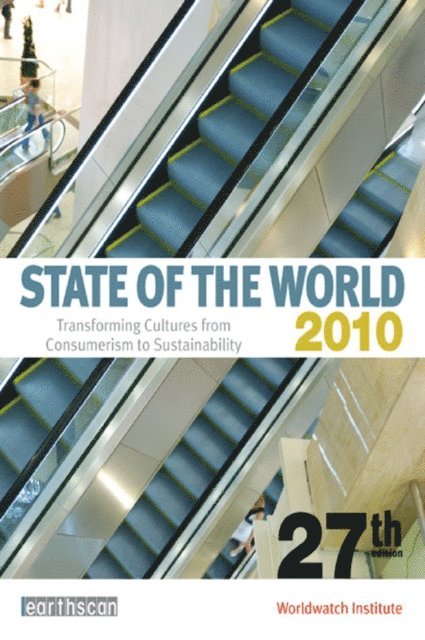
Many of the environmental and social problems we face today are symptoms of a deeper systemic failing: a dominant cultural paradigm that encourages living in ways that are often directly counter to the realities of a finite planet. This paradigm, typically referred to as ''consumerism,'' has already spread to cultures around the world and has led to consumption levels that are vastly unsustainable. If this pattern spreads further there will be little possibility of solving climate change or other environmental problems that are poised to dramatically disrupt human civilization.
It will take a sustained, long-term effort to redirect the traditions, social movements and institutions that shape consumer cultures towards becoming cultures of sustainability. These institutions include schools, the media, businesses and governments. Bringing about a cultural shift that makes living sustainably as ''natural'' as a consumer lifestyle is today will not only address urgent crises like climate change, it could also tackle other symptoms like extreme income inequity, obesity and social isolation that are not typically seen as environmental problems. State of the World 2010 paints a picture of what this sustainability culture could look like, and how we can - and already are - making the shift.
388 kr
Läs direkt efter köp
Many of the environmental and social problems we face today are symptoms of a deeper systemic failing: a dominant cultural paradigm that encourages living in ways that are often directly counter to the realities of a finite planet. This paradigm, typically referred to as ''consumerism,'' has already spread to cultures around the world and has led to consumption levels that are vastly unsustainable. If this pattern spreads further there will be little possibility of solving climate change or other environmental problems that are poised to dramatically disrupt human civilization.
It will take a sustained, long-term effort to redirect the traditions, social movements and institutions that shape consumer cultures towards becoming cultures of sustainability. These institutions include schools, the media, businesses and governments. Bringing about a cultural shift that makes living sustainably as ''natural'' as a consumer lifestyle is today will not only address urgent crises like climate change, it could also tackle other symptoms like extreme income inequity, obesity and social isolation that are not typically seen as environmental problems. State of the World 2010 paints a picture of what this sustainability culture could look like, and how we can - and already are - making the shift.
432 kr
Läs direkt efter köp
432 kr
Läs direkt efter köp
401 kr
Läs direkt efter köp
401 kr
Läs direkt efter köp
105 kr
Läs direkt efter köp
105 kr
Läs direkt efter köp
393 kr
Läs direkt efter köp
390 kr
Läs direkt efter köp
406 kr
Läs direkt efter köp
406 kr
Läs direkt efter köp
519 kr
Läs direkt efter köp
The world is on the verge of an unprecedented increase in the production and use of biofuels for transport. The combination of rising oil prices, issues of security, climate instability and pollution, deepening poverty in rural and agricultural areas, and a host of improved technologies, is propelling governments to enact powerful incentives for the use of these fuels, which is in turn sparking investment.
Biofuels for Transport is a unique and comprehensive assessment of the opportunities and risks of the large-scale production of biofuels. The book demystifies complex questions and concerns, such as thefood v. fuel debate. Global in scope, it is further informed by five country studies from Brazil, China, Germany, India and Tanzania.
The authors conclude that biofuels will play a significant role in our energy future, but warn that the large-scale use of biofuels carries risks that require focused and immediate policy initiatives.
Published in association with BMELV, FNR and GTZ.
519 kr
Läs direkt efter köp
The world is on the verge of an unprecedented increase in the production and use of biofuels for transport. The combination of rising oil prices, issues of security, climate instability and pollution, deepening poverty in rural and agricultural areas, and a host of improved technologies, is propelling governments to enact powerful incentives for the use of these fuels, which is in turn sparking investment.
Biofuels for Transport is a unique and comprehensive assessment of the opportunities and risks of the large-scale production of biofuels. The book demystifies complex questions and concerns, such as thefood v. fuel debate. Global in scope, it is further informed by five country studies from Brazil, China, Germany, India and Tanzania.
The authors conclude that biofuels will play a significant role in our energy future, but warn that the large-scale use of biofuels carries risks that require focused and immediate policy initiatives.
Published in association with BMELV, FNR and GTZ.
2 158 kr
Skickas inom 10-15 vardagar
1 325 kr
Skickas inom 10-15 vardagar
2 158 kr
Skickas inom 10-15 vardagar
2 008 kr
Skickas inom 10-15 vardagar
2 743 kr
Skickas inom 10-15 vardagar
451 kr
Skickas inom 10-15 vardagar
1 325 kr
Skickas inom 10-15 vardagar
354 kr
Skickas inom 10-15 vardagar
340 kr
Skickas inom 10-15 vardagar