Wout Saelens - Böcker
Visar alla böcker från författaren Wout Saelens. Handla med fri frakt och snabb leverans.
3 produkter
3 produkter
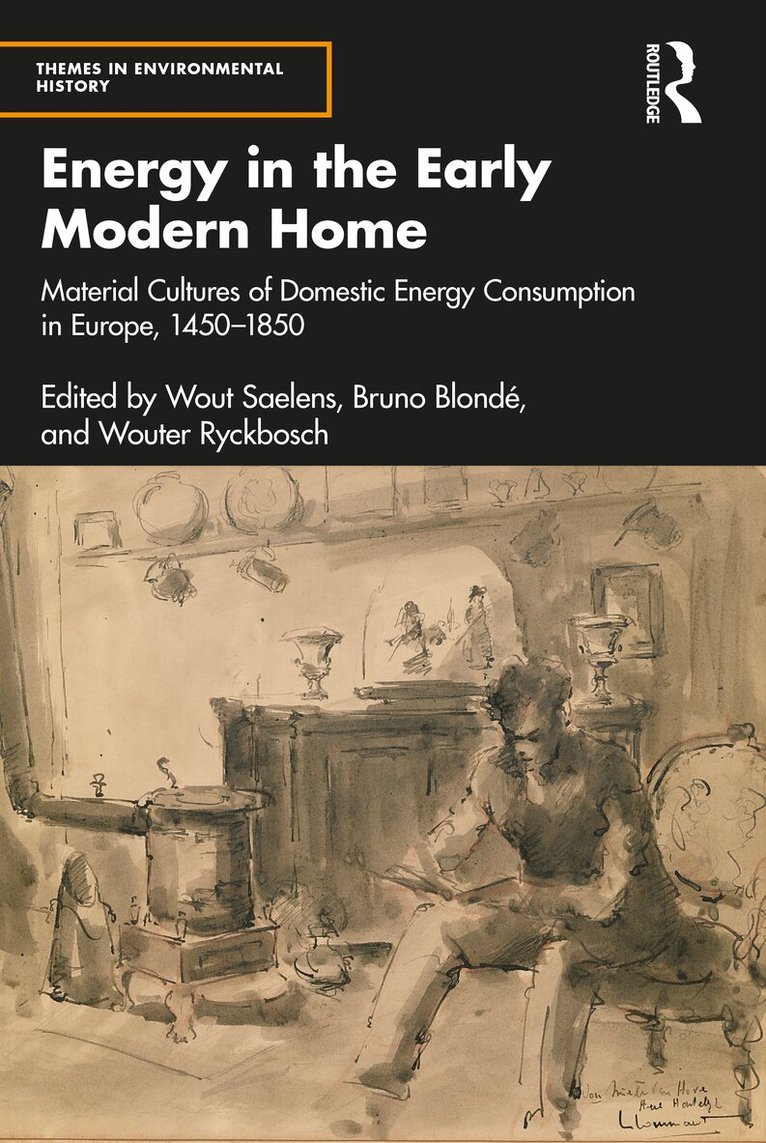
Energy in the Early Modern Home
Material Cultures of Domestic Energy Consumption in Europe, 1450–1850
Häftad, Engelska, 2023
593 kr
Skickas inom 10-15 vardagar
Uncovering, for the first time, the role played by home users in fostering energy changes, this book explores the effects of energy transitions between the medieval and industrial era on the everyday life of Europeans and considers how cultural, social and material changes in the home facilitated the transition towards a more energy-demanding world.This book delves deeper into the interactions between early modern consumers and the ecological constraints of the world surrounding them. Experts on specific aspects of domestic energy use departing from different case studies in early modern Europe confront these central issues. This book therefore offers a wide range of approaches within a long-term and comparative perspective. Different ‘material cultures of energy’ across time and space and across different climates in Europe are explored. Ultimately, this book aims to consider how the early modern home not just adapted to energy changes, but perhaps even prepared the way for our modern addiction to fossil energy. Energy in the Early Modern Home is the perfect resource for students and scholars of early modern Europe, premodern environmental history, the history of consumption and material culture, and the history of science and technology.
Energy in the Early Modern Home
Material Cultures of Domestic Energy Consumption in Europe, 1450–1850
Inbunden, Engelska, 2023
2 150 kr
Skickas inom 10-15 vardagar
Uncovering, for the first time, the role played by home users in fostering energy changes, this book explores the effects of energy transitions between the medieval and industrial era on the everyday life of Europeans and considers how cultural, social and material changes in the home facilitated the transition towards a more energy-demanding world.This book delves deeper into the interactions between early modern consumers and the ecological constraints of the world surrounding them. Experts on specific aspects of domestic energy use departing from different case studies in early modern Europe confront these central issues. This book therefore offers a wide range of approaches within a long-term and comparative perspective. Different ‘material cultures of energy’ across time and space and across different climates in Europe are explored. Ultimately, this book aims to consider how the early modern home not just adapted to energy changes, but perhaps even prepared the way for our modern addiction to fossil energy. Energy in the Early Modern Home is the perfect resource for students and scholars of early modern Europe, premodern environmental history, the history of consumption and material culture, and the history of science and technology.
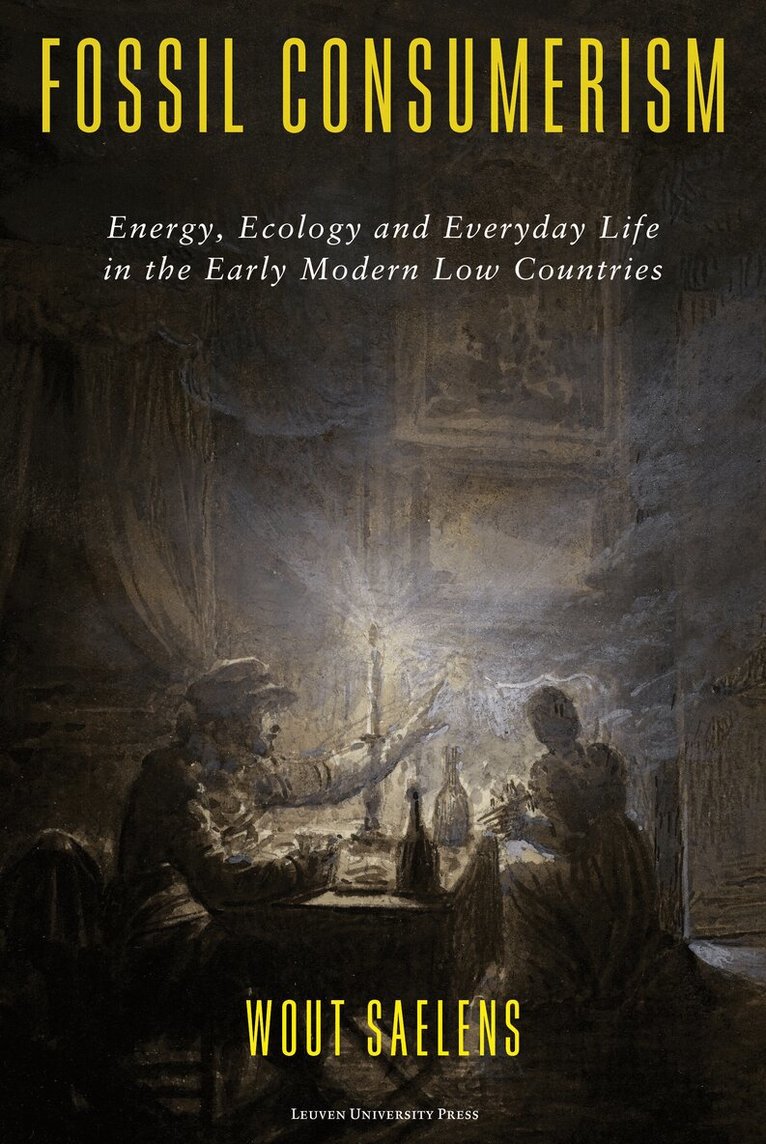
Fossil Consumerism
Energy, Ecology and Everyday Life in the Early Modern Low Countries
Häftad, Engelska, 2026
464 kr
Skickas inom 5-8 vardagar
A groundbreaking perspective on energy history that reveals the early modern home, and not industry, as the first major driver of fossil-fuel adoption.This book explores how the homes of ordinary city dwellers sparked our modern dependence on fossil fuels. Drawing on a rich variety of sources, including probate inventories, household manuals, personal journals, medical treatises and contemporary artwork, it reveals how households in the early modern Low Countries embraced peat and coal to fuel new standards of warmth, light and domesticity. Yet, with these new home comforts came rising indoor pollution, intensified and gendered housework and, ultimately, a quiet shift in humanity’s relationship with nature.Bridging the histories of environments, material culture and consumption, Fossil Consumerism offers a reinterpretation of the historical roots of global warming, finding these not in the industrial mill, but in the intimate, overlooked spaces of the home. This book is essential reading for anyone interested in the everyday origins of the Anthropocene.