Wyatt Moss-Wellington - Böcker
Visar alla böcker från författaren Wyatt Moss-Wellington. Handla med fri frakt och snabb leverans.
7 produkter
7 produkter
1 430 kr
Skickas inom 7-10 vardagar
Cognitive Film and Media Ethics provides a grounding in the use of cognitive science to address key questions in film, television and screen media ethics. This book extends past works in cognitive media studies to answer normative and ethically prescriptive questions: what could make media morally good or bad, and what, then, are the respective responsibilities of media producers and consumers? Moss-Wellington makes a primary claim that normative propositions are a kind of rigour, in that they force media theorists to draw more active ought conclusions from descriptive is arguments. Cognitive Film and Media Ethics presents the rigours of normative reasoning, cognitive science and consequentialist ethics as complementary, arguing that each seeks progressive elaboration on their own models of causality, and causal projections are crucial for any reflection on our moral responsibilities in the world. A hermeneutics of "ethical cognitivism" is applied in the latter half of the book, with essays each addressing a different case study in film, television, news and social media: cinema that sets out to inspire moral dissonance in the viewer, satirical and humorous depictions of family drama in film and television, the politics of the romantic comedy, formal aspects of screen media bullying in an era dubbed the "television renaissance," and contemporary problems in the conflation of news and social media. Cognitive Film and Media Ethics synthesises current research in social psychology, anthropology, memory studies, emotion and cognition, personality and media selection, and evolutionary biology, integrating wide-ranging concepts from the various disciplines that make up cognitive theory to provide new vantages on the applied ethics of film and screen media.
475 kr
Skickas inom 5-8 vardagar
Cognitive Film and Media Ethics provides a grounding in the use of cognitive science to address key questions in film, television and screen media ethics. This book extends past works in cognitive media studies to answer normative and ethically prescriptive questions: what could make media morally good or bad, and what, then, are the respective responsibilities of media producers and consumers? Moss-Wellington makes a primary claim that normative propositions are a kind of rigour, in that they force media theorists to draw more active ought conclusions from descriptive is arguments. Cognitive Film and Media Ethics presents the rigours of normative reasoning, cognitive science and consequentialist ethics as complementary, arguing that each seeks progressive elaboration on their own models of causality, and causal projections are crucial for any reflection on our moral responsibilities in the world. A hermeneutics of "ethical cognitivism" is applied in the latter half of the book, with essays each addressing a different case study in film, television, news and social media: cinema that sets out to inspire moral dissonance in the viewer, satirical and humorous depictions of family drama in film and television, the politics of the romantic comedy, formal aspects of screen media bullying in an era dubbed the "television renaissance," and contemporary problems in the conflation of news and social media. Cognitive Film and Media Ethics synthesises current research in social psychology, anthropology, memory studies, emotion and cognition, personality and media selection, and evolutionary biology, integrating wide-ranging concepts from the various disciplines that make up cognitive theory to provide new vantages on the applied ethics of film and screen media.
2 150 kr
Skickas inom 3-6 vardagar
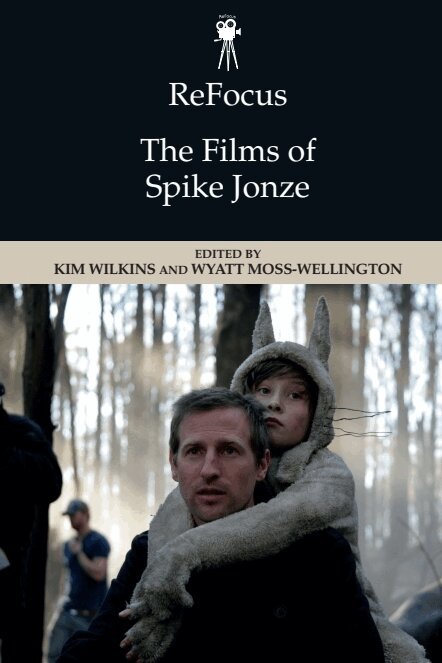
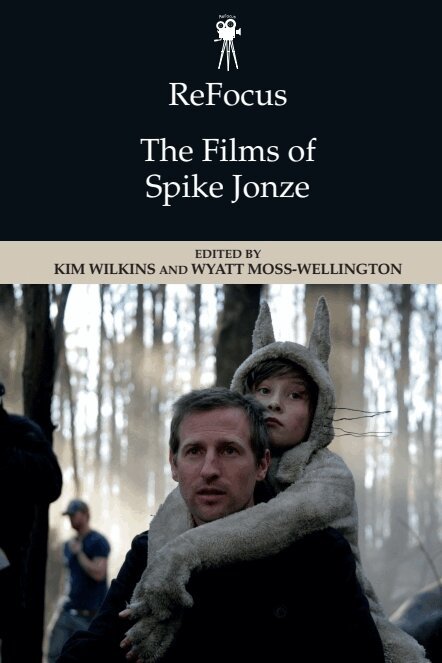
ReFocus: The Films of Spike Jonze is the first collection of essays on this important and original contemporary filmmaker. It looks at his ground-breaking work in both features and short forms, exploring the impact of his filmmaking across a range of philosophical and cultural discussions.Each of Jonze’s feature films, from Being John Malkovich (1999) to Her (2013), is discussed at length, focusing on issues of authorship, narration, genre and adaptation. As well as the textual aspects of Jonze’s feature films, the contributors consider his work in music videos and shorts – investigating his position as a filmmaker on the blurred boundaries between studio and independent modes of production.
674 kr
Skickas inom 3-6 vardagar
ReFocus: The Films of Spike Jonze is the first collection of essays on this important and original contemporary filmmaker. It looks at his ground-breaking work in both features and short forms, exploring the impact of his filmmaking across a range of philosophical and cultural discussions. Each of Jonze’s feature films, from Being John Malkovich (1999) to Her (2013), is discussed at length, focusing on issues of authorship, narration, genre and adaptation. As well as the textual aspects of Jonze’s feature films, the contributors consider his work in music videos and shorts – investigating his position as a filmmaker on the blurred boundaries between studio and independent modes of production.
2 002 kr
Skickas inom 3-6 vardagar
This book attempts to clarify the narrative conditions of humanism, asking how we can use stories to complicate our understanding of others, and questioning the ethics and efficacy of attempts to represent human social complexity in fiction. With case studies of films like Parenthood (1989), American Beauty (1999), Little Miss Sunshine (2006) and The Kids Are All Right (2010), this original study synthesises leading discourses on media and cognition, evolutionary anthropology, literature and film analysis into a new theory of the storytelling instinct.
382 kr
Skickas inom 7-10 vardagar
This book attempts to clarify the narrative conditions of humanism, asking how we can use stories to complicate our understanding of others, and questioning the ethics and efficacy of attempts to represent human social complexity in fiction. With case studies of films like Parenthood (1989), American Beauty (1999), Little Miss Sunshine (2006) and The Kids Are All Right (2010), this original study synthesises leading discourses on media and cognition, evolutionary anthropology, literature and film analysis into a new theory of the storytelling instinct.
2 076 kr
Kommande
An enduring yet underexamined tradition in popular cinema, body swap narratives have captivated audiences across cultures and genres. This volume offers the first study of the ‘body swap’ film, examining notable examples such as the Freaky Friday films alongside comedies, horrors, and hybrid forms shaped by bodily transformation. Extending beyond cinema, Contributors trace the trope’s evolution across television, videogames, digital platforms, online identity practices, and avatar relationships. Grounded in film studies yet interdisciplinary in scope, the collection engages gender theory, race theory, trans scholarship, transnational media studies, and philosophy to illuminate how body swapping reshapes understandings of identity, embodiment, and power in global media culture.