Xanthe Mallett – författare
Visar alla böcker från författaren Xanthe Mallett. Handla med fri frakt och snabb leverans.
6 produkter
6 produkter
E-bok
Engelska, 2014299 kr
Läs direkt efter köp
All of these women are notorious, but are all of them deadly?Child murder: A social taboo and one of the most abhorrent acts most of us can imagine. Meet the women found guilty of murdering their own children. They represent some of the most hated women in Australia. The infamous list includes psychologically damaged, sometimes deranged, women on the edge. But, as we will see, accused doesn’t always mean guilty. Among the cases covered is that of Kathleen Folbigg, accused and found guilty of killing four of her children, even with a lack of any forensic evidence proving her guilt; Rachel Pfitzner, who strangled her 2-year-old son and dumped his body in a duck pond; as well as Keli Lane, found guilty of child murder though no body has ever been found.Dr Mallett goes back to the beginning of each case; death’s ground zero. That might be the accused’s childhood, were they abused? Or was their motivation greed, or fear of losing a partner? Were they just simply evil? Or did the media paint them as such, against the evidence and leading to a travesty of justice.Each case will be re-opened, the alternative suspects assessed, the possible motives reviewed. Informed by her background as a forensic scientist, Xanthe offers insight into aspects of the cases that may not have been explored previously. Taking you on her journey through the facts, and reaching her own conclusion as to whether she believe the evidence points to the women’s guilt.Hear their stories.
Häftad, Engelska, 2024
859 kr
Skickas inom 10-15 vardagar
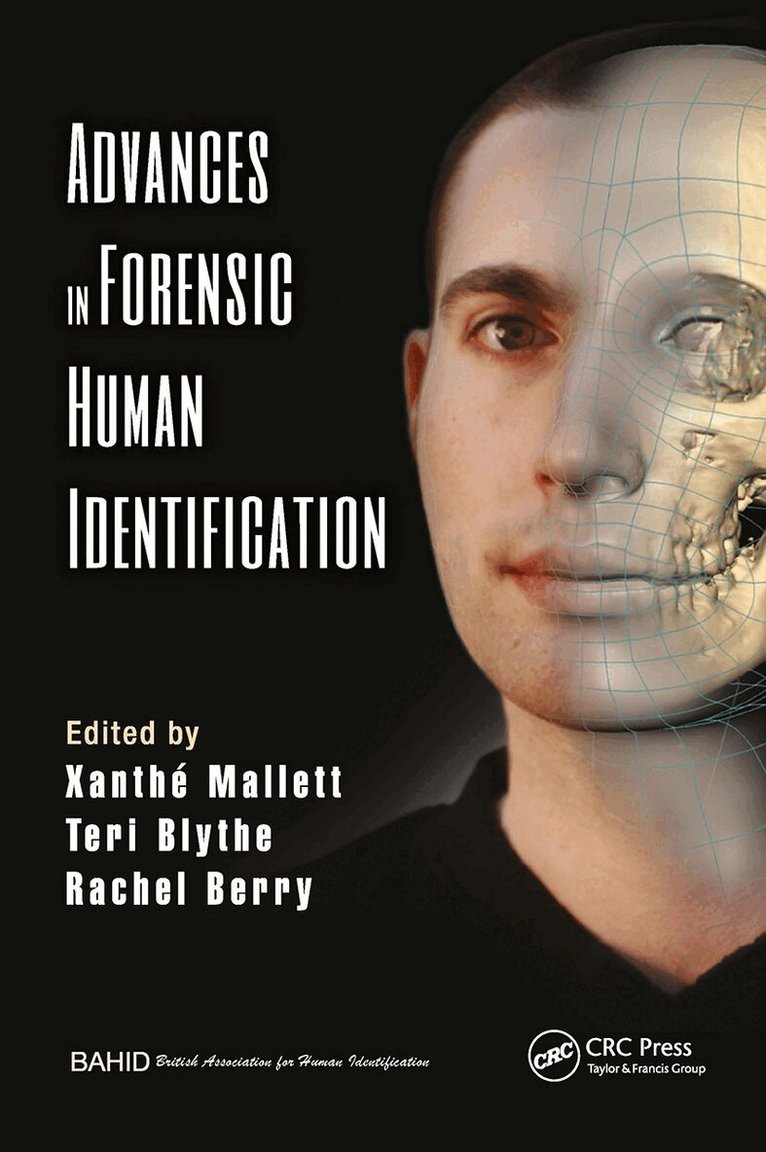
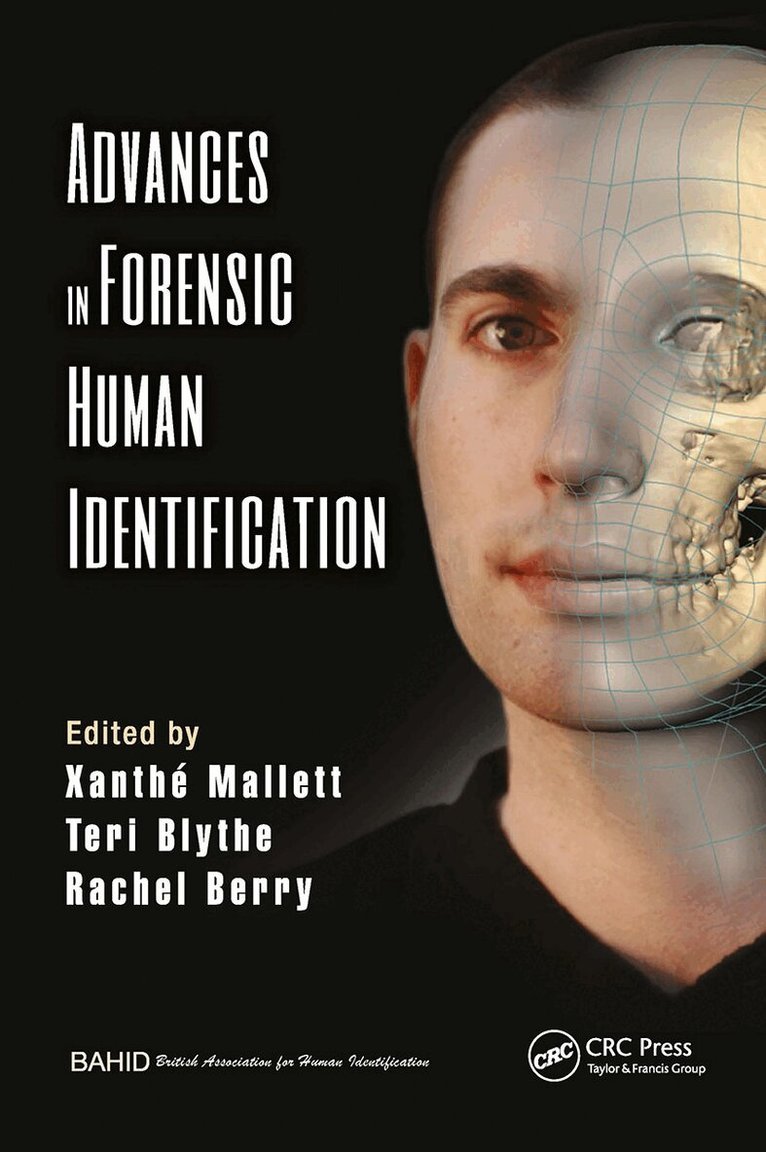
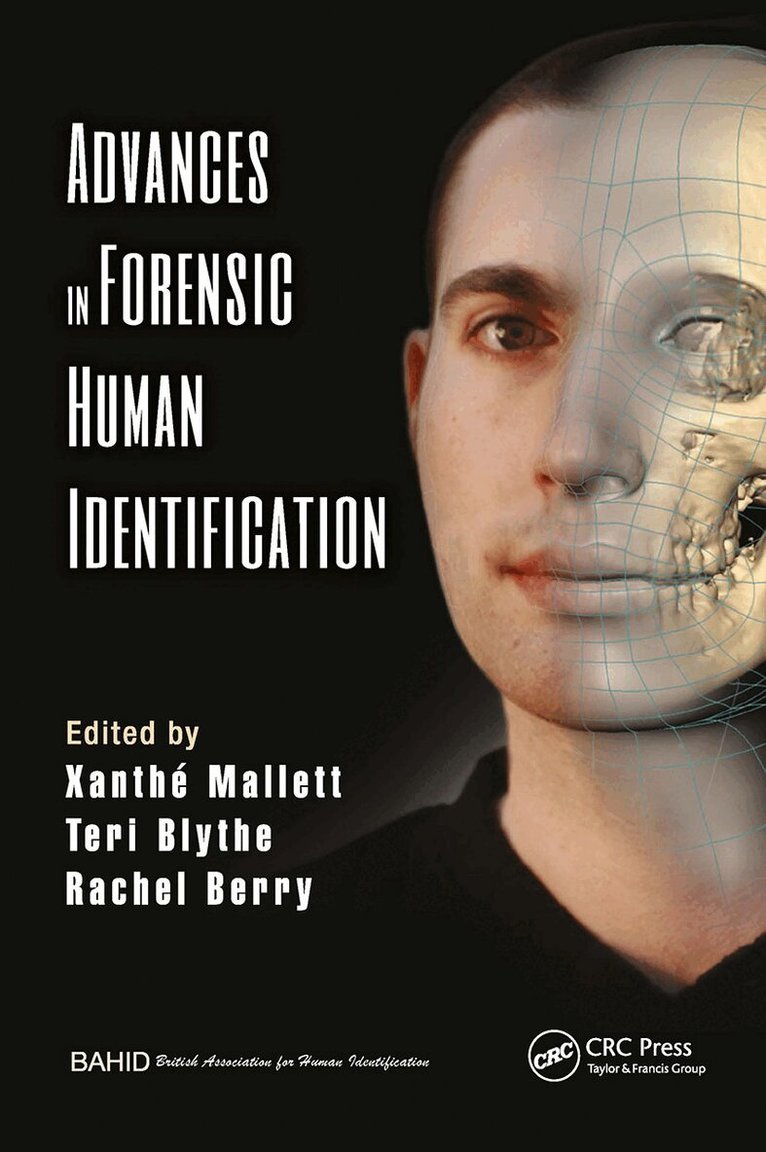
As forensic human identification receives increased global attention, practitioners, policy makers, and students need an appropriate resource that describes current methods and modalities that have shaped today’s policies and protocols. A supplemental follow-up to Forensic Human Identification: An Introduction, Advances in Forensic Human Identification covers advances in the most well-known scientific techniques and discusses new and developing subjects and modalities of human identification.A collection of contributions from worldwide experts, the book embraces a broad context and looks at several issues beyond physical identification of human remains or offenders. The book examines online, sexual, and biometric identities and discusses problems associated with investigative practice, such as the developing use of the Internet as a distribution and communication medium for criminal activities. It also explores miscarriages of justice that can result from flawed applications or interpretations of forensic evidence. Finally, it looks at the future of forensic science in the United Kingdom in light of financial challenges and the closure of the Forensic Science Service. Where appropriate, case studies illustrate the use of techniques and the associated problems described in the text. The downloadable resources include images in full color.This volume provides an important contribution to the ongoing practitioner and academic debates surrounding the application of forensic technologies. The insight presented is destined to springboard further inquiry into enhanced techniques and underlies the need for more research into the appropriate use of identification techniques to solve the mysteries of the unknown.
E-bok
Engelska, 2014975 kr
Läs direkt efter köp
As forensic human identification receives increased global attention, practitioners, policy makers, and students need an appropriate resource that describes current methods and modalities that have shaped today’s policies and protocols. A supplemental follow-up to Forensic Human Identification: An Introduction, Advances in Forensic Human Identification covers advances in the most well-known scientific techniques and discusses new and developing subjects and modalities of human identification.A collection of contributions from worldwide experts, the book embraces a broad context and looks at several issues beyond physical identification of human remains or offenders. The book examines online, sexual, and biometric identities and discusses problems associated with investigative practice, such as the developing use of the Internet as a distribution and communication medium for criminal activities. It also explores miscarriages of justice that can result from flawed applications or interpretations of forensic evidence. Finally, it looks at the future of forensic science in the United Kingdom in light of financial challenges and the closure of the Forensic Science Service. Where appropriate, case studies illustrate the use of techniques and the associated problems described in the text. The downloadable resources include images in full color.This volume provides an important contribution to the ongoing practitioner and academic debates surrounding the application of forensic technologies. The insight presented is destined to springboard further inquiry into enhanced techniques and underlies the need for more research into the appropriate use of identification techniques to solve the mysteries of the unknown.
Inbunden, Engelska, 2014
2 423 kr
Skickas inom 10-15 vardagar
As forensic human identification receives increased global attention, practitioners, policy makers, and students need an appropriate resource that describes current methods and modalities that have shaped today’s policies and protocols. A supplemental follow-up to Forensic Human Identification: An Introduction, Advances in Forensic Human Identification covers advances in the most well-known scientific techniques and discusses new and developing subjects and modalities of human identification.A collection of contributions from worldwide experts, the book embraces a broad context and looks at several issues beyond physical identification of human remains or offenders. The book examines online, sexual, and biometric identities and discusses problems associated with investigative practice, such as the developing use of the Internet as a distribution and communication medium for criminal activities. It also explores miscarriages of justice that can result from flawed applications or interpretations of forensic evidence. Finally, it looks at the future of forensic science in the United Kingdom in light of financial challenges and the closure of the Forensic Science Service. Where appropriate, case studies illustrate the use of techniques and the associated problems described in the text. The downloadable resources include images in full color.This volume provides an important contribution to the ongoing practitioner and academic debates surrounding the application of forensic technologies. The insight presented is destined to springboard further inquiry into enhanced techniques and underlies the need for more research into the appropriate use of identification techniques to solve the mysteries of the unknown.
E-bok
PDF, Engelska, 20141 059 kr
Läs direkt efter köp
As forensic human identification receives increased global attention, practitioners, policy makers, and students need an appropriate resource that describes current methods and modalities that have shaped today’s policies and protocols. A supplemental follow-up to Forensic Human Identification: An Introduction, Advances in Forensic Human Identification covers advances in the most well-known scientific techniques and discusses new and developing subjects and modalities of human identification.A collection of contributions from worldwide experts, the book embraces a broad context and looks at several issues beyond physical identification of human remains or offenders. The book examines online, sexual, and biometric identities and discusses problems associated with investigative practice, such as the developing use of the Internet as a distribution and communication medium for criminal activities. It also explores miscarriages of justice that can result from flawed applications or interpretations of forensic evidence. Finally, it looks at the future of forensic science in the United Kingdom in light of financial challenges and the closure of the Forensic Science Service. Where appropriate, case studies illustrate the use of techniques and the associated problems described in the text. The downloadable resources include images in full color.This volume provides an important contribution to the ongoing practitioner and academic debates surrounding the application of forensic technologies. The insight presented is destined to springboard further inquiry into enhanced techniques and underlies the need for more research into the appropriate use of identification techniques to solve the mysteries of the unknown.
Häftad, Engelska, 2020
159 kr
Skickas inom 7-10 vardagar