Xavier Vence-Deza – författare
Visar alla böcker från författaren Xavier Vence-Deza. Handla med fri frakt och snabb leverans.
3 produkter
3 produkter
Inbunden, Engelska, 1996
1 664 kr
Skickas inom 10-15 vardagar
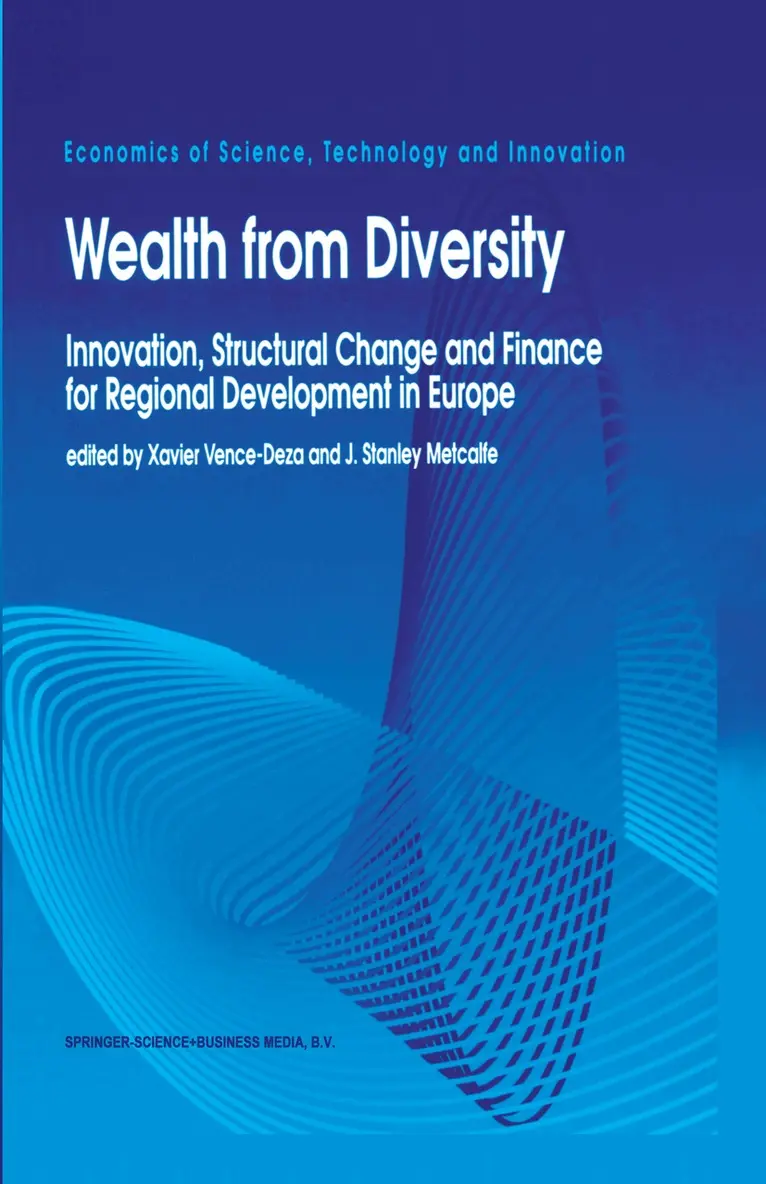
This volume presents a new approach to the problems of structural change and regional dynamics in the context of globalization. It is specifically focused on the experience of the European integration process. The book reviews different aspects of structural change and regional development including: increasing returns and cumulativeness in the dynamics of structural change at the regional level; technological learning and the distribution of innovative capabilities; the globalization of innovation, networks, regional diversity and the regionalization of technology policy; inter-firm cooperation, external investment and external control; endogenous credit creation, finance and regional development; and strategies for integration and strategies for competition at the European level. This collective work is intended for academics, policy practitioners and students in the fields of economic growth, structural change, regional development, regional financing and innovation, and technology policy.
Häftad, Engelska, 2010
1 664 kr
Skickas inom 10-15 vardagar
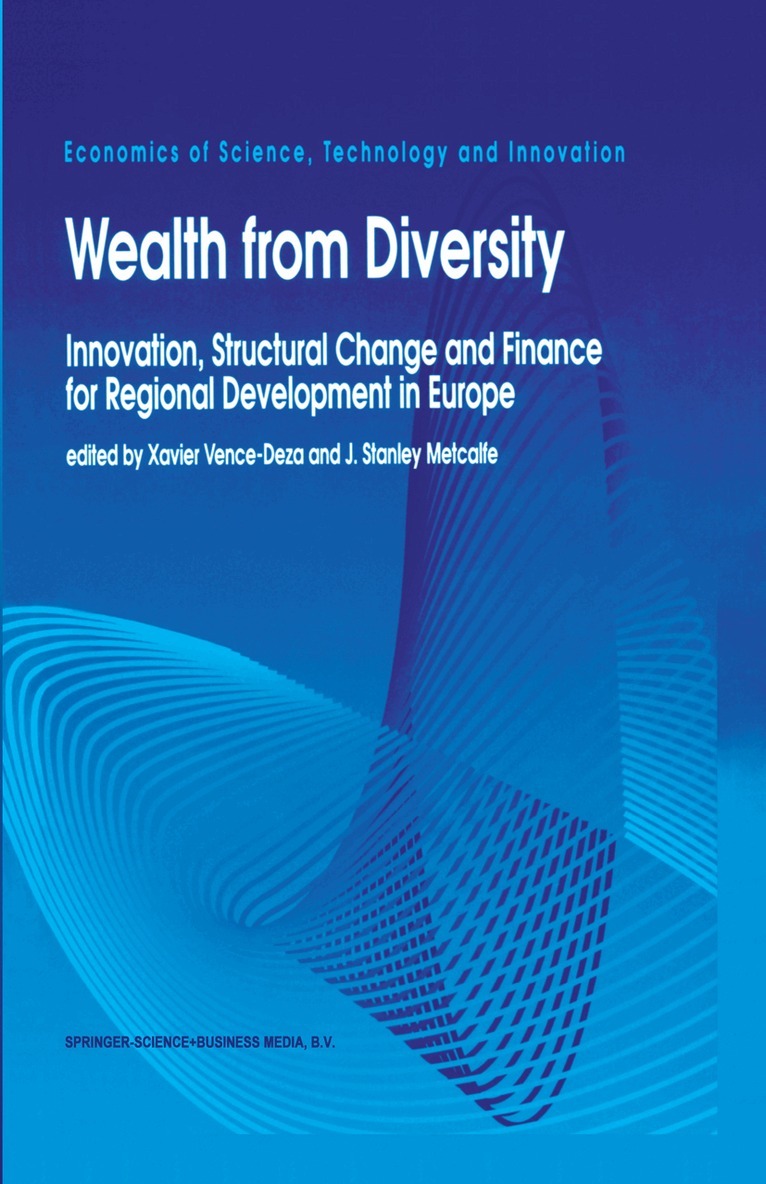
x. Vence-Deza & J.S. Metcalfe U. of Santiago de Compostela & U. of Manchester This book contains selected papers presented at the International Congress "European Periphery Facing the New Century" held in Santiago de Compostela, Galicia, at the end of 1993. The general aim of this congress was to rethink the great economic and social changes in Europe during the last decade from a critical view, specially focused on peripheral regions and the conditions for an enduring process of development. Both economic, social and political changes affect the characteristic diversity of Europe and they have a special impact on the countries and regions that were traditionally known as the periphery within Western Europe. The list of concerns is long: regions with different levels of development compete within a new single market; the free movement of productive factors modifies the traditional pattern of industrial location, increasing tendencies to regional concentration shift the balance of income generation; new competitors enter traditional markets; information technology creates new possibilities of industrial organization and cooperation; competitivity is based on different capabilities to innovate and to promote structural change, and these capabilities differ among regions; traditional regional policies fail in the present even more than in the past. Hence the central concern of this volume, to explore the links between diversity and regional development.
E-bok
PDF, Engelska, 20132 110 kr
Läs direkt efter köp
x. Vence-Deza & J.S. Metcalfe U. of Santiago de Compostela & U. of Manchester This book contains selected papers presented at the International Congress "European Periphery Facing the New Century" held in Santiago de Compostela, Galicia, at the end of 1993. The general aim of this congress was to rethink the great economic and social changes in Europe during the last decade from a critical view, specially focused on peripheral regions and the conditions for an enduring process of development. Both economic, social and political changes affect the characteristic diversity of Europe and they have a special impact on the countries and regions that were traditionally known as the periphery within Western Europe. The list of concerns is long: regions with different levels of development compete within a new single market; the free movement of productive factors modifies the traditional pattern of industrial location, increasing tendencies to regional concentration shift the balance of income generation; new competitors enter traditional markets; information technology creates new possibilities of industrial organization and cooperation; competitivity is based on different capabilities to innovate and to promote structural change, and these capabilities differ among regions; traditional regional policies fail in the present even more than in the past. Hence the central concern of this volume, to explore the links between diversity and regional development.