
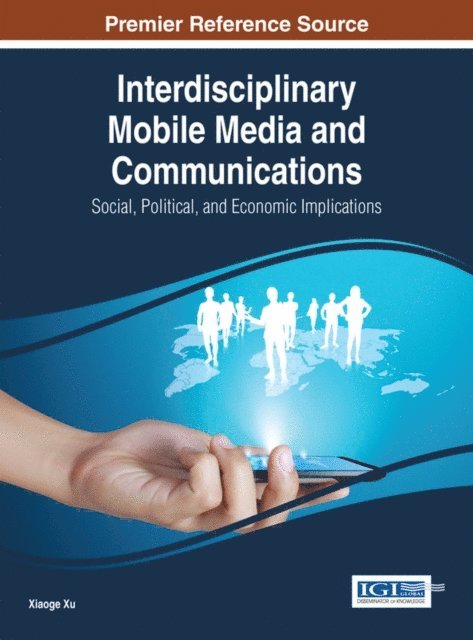
As mobile technology becomes much more prominent in the world, its effect on the social, political, and economic realms cannot be ignored. Interdisciplinary approaches towards re-examining the prevalence of communication technologies are essential for industry professionals' development. Interdisciplinary Mobile Media and Communications: Social, Political, and Economic Implications sheds light on emerging disciplines in multimedia technologies and discusses the changes, chances, and challenges in the mobile world. Areas such as mobile governance, mobile healthcare, and mobile identity are examined, along with their social, political, and economic implications. Serving as a reconnection between academia and industry, this book will be useful for students, professors, researchers, and policy-makers of mobile media and communications.
Digital innovations, such as mobile technologies, have had a significant impact on the way people relate to one another, as well as the way they obtain and distribute information. As mobile devices continue to evolve, it has become easier to socialize; however, these mobile advancements have also made certain aspects of interaction more complex. The Handbook of Research on Human Social Interaction in the Age of Mobile Devices features an interdisciplinary perspective on mobile innovations and the use of this technology in daily life. Investigating the successes, issues, and challenges of the utilization of mobile technology, this handbook of research is a comprehensive reference source for professionals, educators, policymakers, and students interested in the impact these devices have on digital interaction, media, and communication.
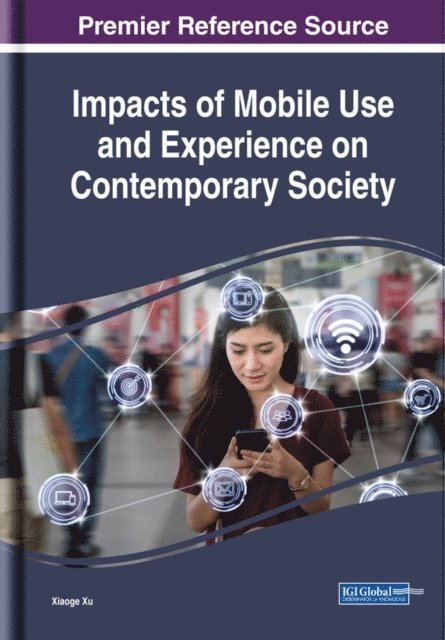
As a popular and powerful medium, mobile use has increased significantly across the world. The effects of these communication devices have not only transformed how we communicate but also how we gather and distribute information in a variety of industries including healthcare, business, and education. Impacts of Mobile Use and Experience on Contemporary Society provides cross-disciplinary research that ties together use and experience examining the transformative influence of mobile technology and how it is reshaping who we are and what we do. Featuring research that investigates the impacts on both actors and activities with topic coverage that includes academic application, economic value, and mobile learning, scholars from different disciplines from all over the world identify the crucial implications behind mobile technology. Included amongst the targeted audience are educators, policymakers, healthcare professionals, managers, academicians, researchers, and practitioners.
As mobile technology becomes much more prominent in the world, its effect on the social, political, and economic realms cannot be ignored. Interdisciplinary approaches towards re-examining the prevalence of communication technologies are essential for industry professionals' development. Interdisciplinary Mobile Media and Communications: Social, Political, and Economic Implications sheds light on emerging disciplines in multimedia technologies and discusses the changes, chances, and challenges in the mobile world. Areas such as mobile governance, mobile healthcare, and mobile identity are examined, along with their social, political, and economic implications. Serving as a reconnection between academia and industry, this book will be useful for students, professors, researchers, and policy-makers of mobile media and communications.
Digital innovations, such as mobile technologies, have had a significant impact on the way people relate to one another, as well as the way they obtain and distribute information. As mobile devices continue to evolve, it has become easier to socialize; however, these mobile advancements have also made certain aspects of interaction more complex. The Handbook of Research on Human Social Interaction in the Age of Mobile Devices features an interdisciplinary perspective on mobile innovations and the use of this technology in daily life. Investigating the successes, issues, and challenges of the utilization of mobile technology, this handbook of research is a comprehensive reference source for professionals, educators, policymakers, and students interested in the impact these devices have on digital interaction, media, and communication.
As a popular and powerful medium, mobile use has increased significantly across the world. The effects of these communication devices have not only transformed how we communicate but also how we gather and distribute information in a variety of industries including healthcare, business, and education. Impacts of Mobile Use and Experience on Contemporary Society provides cross-disciplinary research that ties together use and experience examining the transformative influence of mobile technology and how it is reshaping who we are and what we do. Featuring research that investigates the impacts on both actors and activities with topic coverage that includes academic application, economic value, and mobile learning, scholars from different disciplines from all over the world identify the crucial implications behind mobile technology. Included amongst the targeted audience are educators, policymakers, healthcare professionals, managers, academicians, researchers, and practitioners.