Xing Wei – författare
Visar alla böcker från författaren Xing Wei. Handla med fri frakt och snabb leverans.
9 produkter
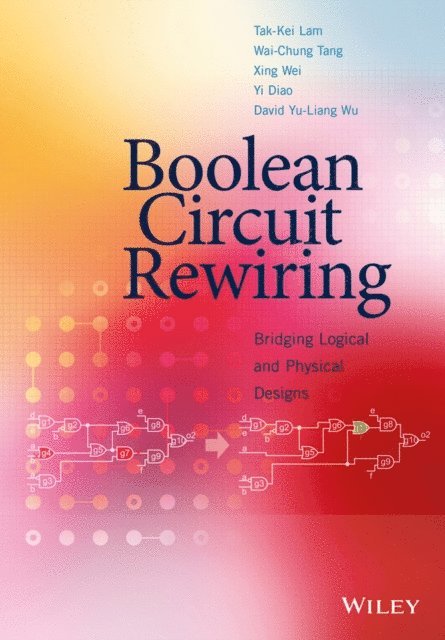
Boolean Circuit Rewiring
Bridging Logical and Physical Designs
Av Tak-Kei Lam, Wai-Chung Tang m. fl.
Inbunden, 2016
1615 kr
Lägg i varukorg
Demonstrates techniques which will allow rewiring rates of over 95%, enabling adoption of deep sub-micron chips for industrial applicationsLogic synthesis is an essential part of the modern digital IC design process in semi-conductor industry. This book discusses a logic synthesis technique called …
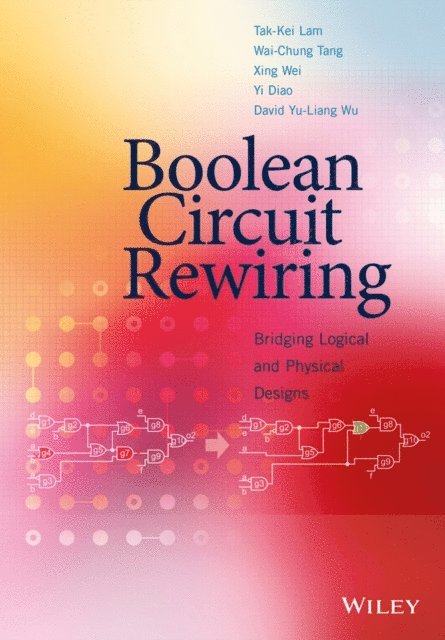
Boolean Circuit Rewiring
Bridging Logical and Physical Designs
Av David Yu-Liang Wu, Yi Diao m. fl.
E-bok, 2016
1906 kr
Lägg i varukorg
Demonstrates techniques which will allow rewiring rates of over 95%, enabling adoption of deep sub-micron chips for industrial applications Logic synthesis is an essential part of the modern digital IC design process in semi-conductor industry. This book discusses a logic synthesis technique called …
Boolean Circuit Rewiring
Bridging Logical and Physical Designs
Av David Yu-Liang Wu, Yi Diao m. fl.
E-bok, 2016
1906 kr
Lägg i varukorg
Demonstrates techniques which will allow rewiring rates of over 95%, enabling adoption of deep sub-micron chips for industrial applications Logic synthesis is an essential part of the modern digital IC design process in semi-conductor industry. This book discusses a logic synthesis technique called …
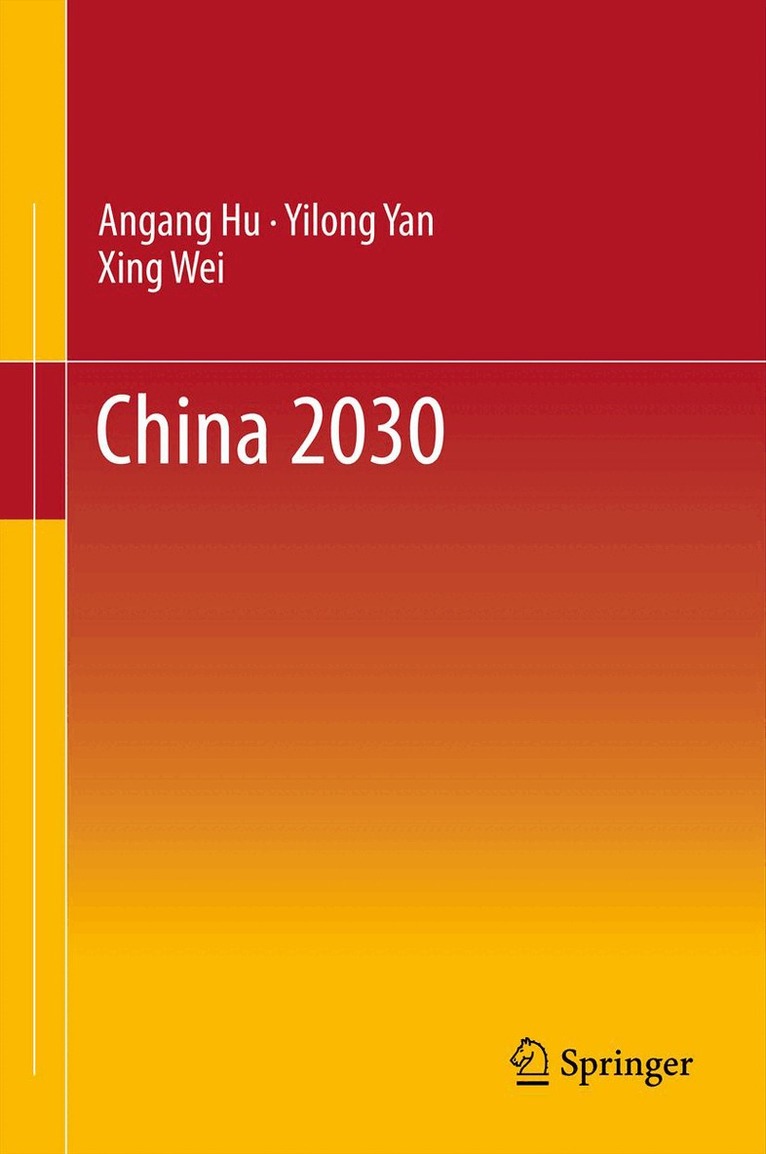
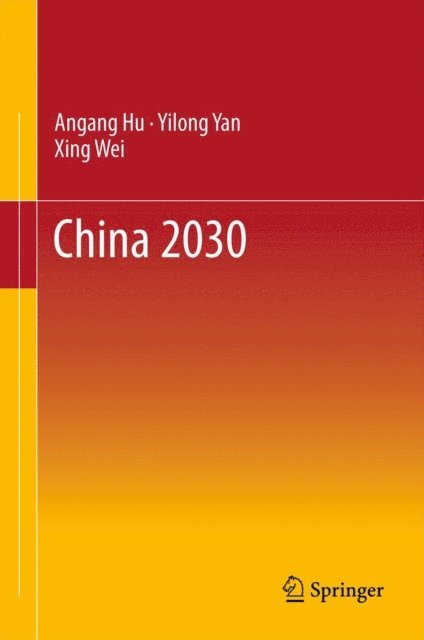
China 2030
Av Angang Hu, Yilong Yan m. fl.
Inbunden, 2014
1128 kr
Lägg i varukorg
A great nation has a great dream; a great country has a great dream. China’s dream is to build a society of common prosperity and a world in which all people live together in peace and harmony.This book provides predictions up to 2030 regarding the future major developments and trends of both China …
China 2030
Av Xing Wei, Yilong Yan m. fl.
E-bok, 2014
1502 kr
Lägg i varukorg
A great nation has a great dream; a great country has a great dream. China’s dream is to build a society of common prosperity and a world in which all people live together in peace and harmony. This book provides predictions up to 2030 regarding the future major developments and trends of both …
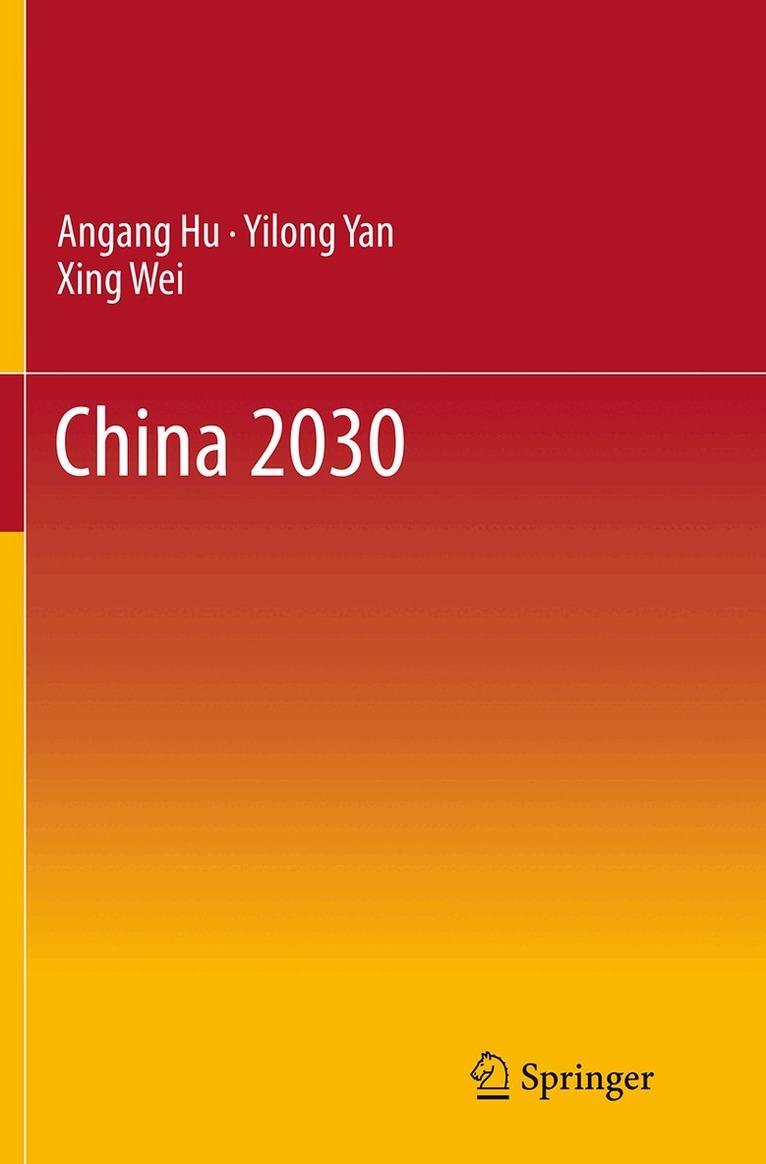
China 2030
Av Angang Hu, Yilong Yan m. fl.
Häftad, 2016
1128 kr
Lägg i varukorg
A great nation has a great dream; a great country has a great dream. China’s dream is to build a society of common prosperity and a world in which all people live together in peace and harmony.This book provides predictions up to 2030 regarding the future major developments and trends of both China …
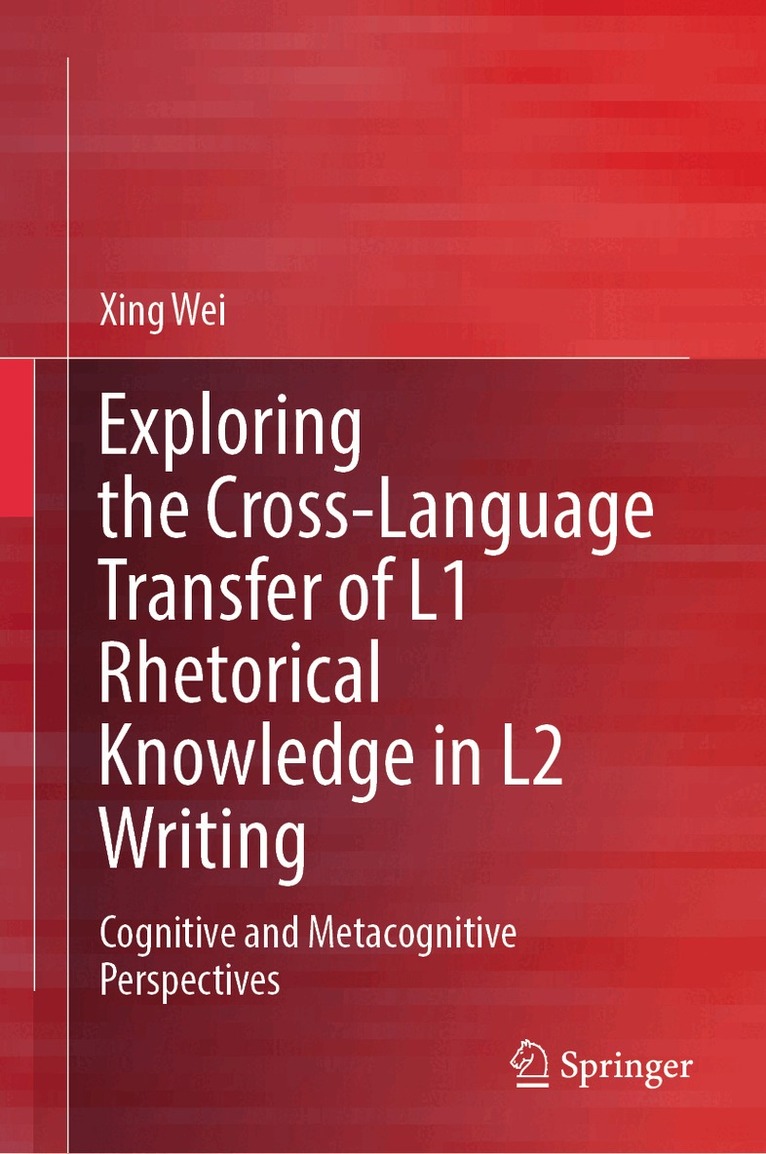
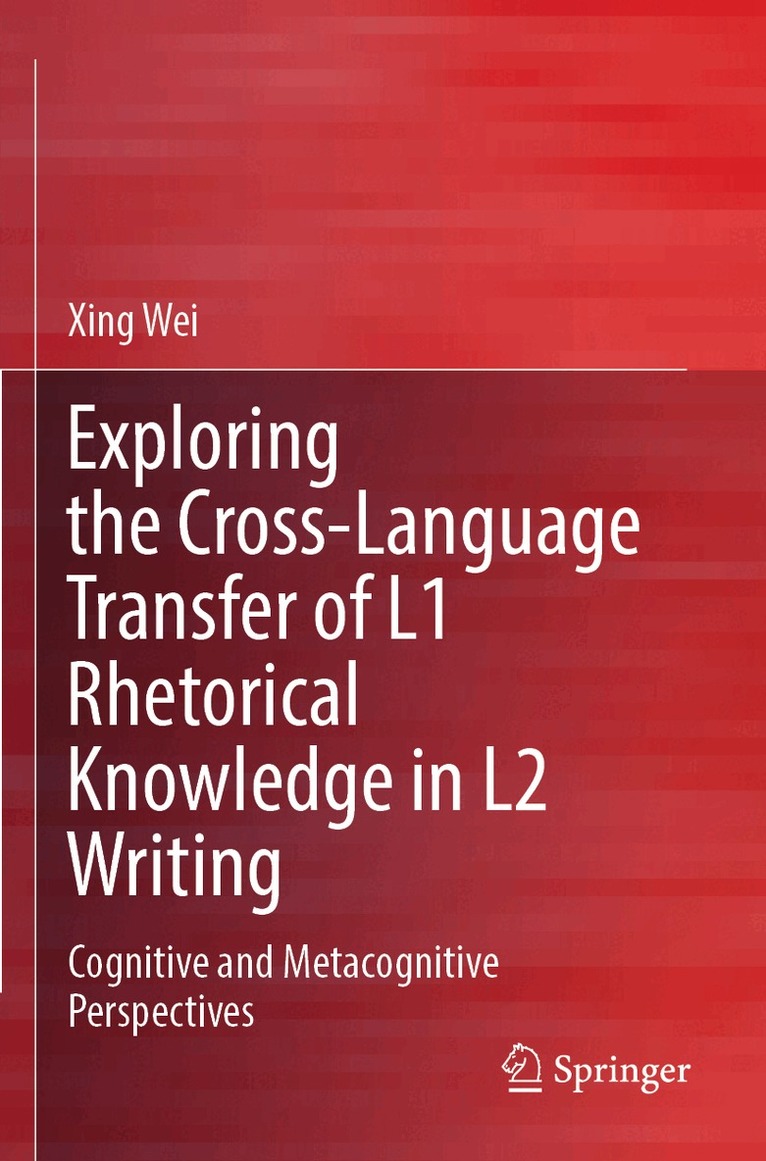
Exploring the Cross-Language Transfer of L1 Rhetorical Knowledge in L2 Writing
Cognitive and Metacognitive Perspectives
Av Xing Wei
Inbunden, 2023
1276 kr
Lägg i varukorg
This book addresses the transfer of rhetorical knowledge from a first language (L1) to a second language (L1-to-L2 rhetorical transfer), a common cognitive phenomenon in the L2 writing of students in foreign language learning environments. It investigates L1-to-L2 rhetorical transfer from a …
Exploring the Cross-Language Transfer of L1 Rhetorical Knowledge in L2 Writing
Cognitive and Metacognitive Perspectives
Av Xing Wei
E-bok, 2023
1697 kr
Lägg i varukorg
This book addresses the transfer of rhetorical knowledge from a first language (L1) to a second language (L1-to-L2 rhetorical transfer), a common cognitive phenomenon in the L2 writing of students in foreign language learning environments. It investigates L1-to-L2 rhetorical transfer from a …
Exploring the Cross-Language Transfer of L1 Rhetorical Knowledge in L2 Writing
Cognitive and Metacognitive Perspectives
Av Xing Wei
Häftad, 2024
1276 kr
Lägg i varukorg
This book addresses the transfer of rhetorical knowledge from a first language (L1) to a second language (L1-to-L2 rhetorical transfer), a common cognitive phenomenon in the L2 writing of students in foreign language learning environments. It investigates L1-to-L2 rhetorical transfer from a …