Xu Dianqing Xu – författare
Visar alla böcker från författaren Xu Dianqing Xu. Handla med fri frakt och snabb leverans.
5 produkter
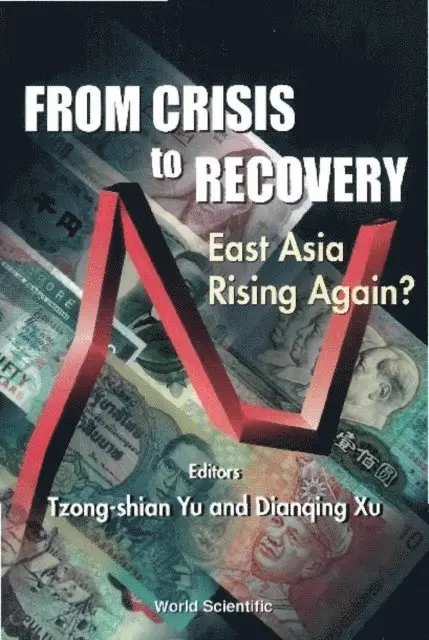
From Crisis To Recovery: East Asia Rising Again?
Av Yu Tzong-shian Yu, Xu Dianqing Xu
E-bok, 2001
535 kr
Lägg i varukorg
It is interesting to note that after two years of recession in East Asia, almost all the countries in this region are rising again. In the wake of that sudden onslaught on the economies of East Asia, many new questions have come to the fore (and are waiting for the right answers), such as: How …
China's Tax Reform Options
Av Xu Dianqing Xu, Li Jinyan Li m. fl.
E-bok, 1998
640 kr
Lägg i varukorg
China is now facing the challenge of designing and carrying out new reforms of its taxation system. This book covers a wide range of topics critical to China''s future tax reform. Several prominent scholars and government officials have contributed papers which range from general tax issues to …
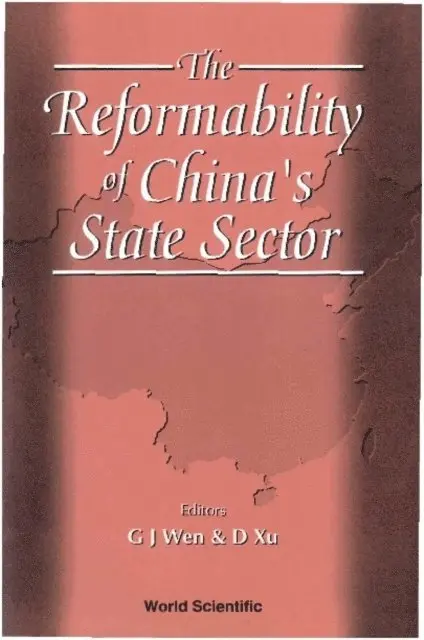
Reformability Of China's State Sector, The
Av Xu Dianqing Xu, Wen James Wen
E-bok, 1997
729 kr
Lägg i varukorg
China has achieved alarming success in accelerating the economic growth rate since it started economic reform about 16 years ago.However, its state sector is still running severe deficits. Even though its productivity might be improved since the reform started, its financial situation, …
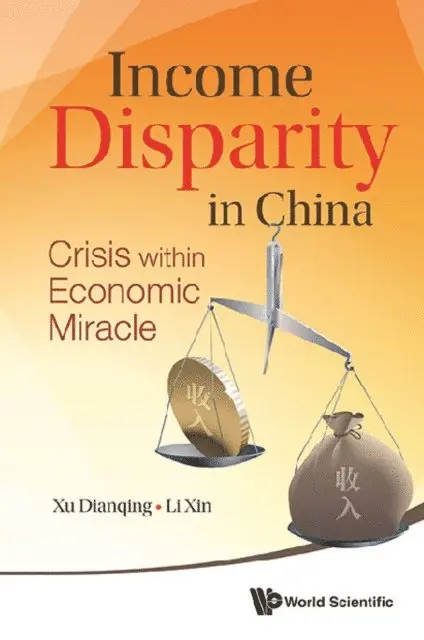
Income Disparity In China: Crisis Within Economic Miracle
E-bok, 2014
701 kr
Lägg i varukorg
China has achieved remarkable economic success in the past three decades and has become the second-largest economy in the world after the United States. However, accompanying this rapid economic growth is an increasing income inequality. In recent years, China''s income disparity has reached an …
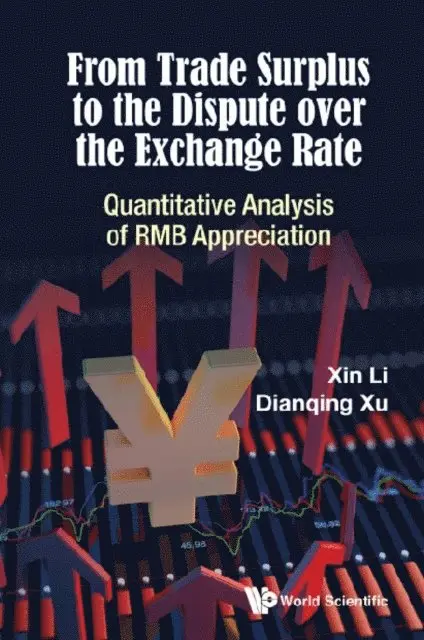
From Trade Surplus To The Dispute Over The Exchange Rate: Quantitative Analysis Of Rmb Appreciation
E-bok, 2016
838 kr
Lägg i varukorg
Since 2005, China has been accused of causing the trade deficit and manipulating the exchange rate. At the same time, there have been arguments against the RMB appreciation. The reason for this conflict is the lack of quantitative research or elaboration on many extremely important indicators.To …