Xuedong Ding – författare
Visar alla böcker från författaren Xuedong Ding. Handla med fri frakt och snabb leverans.
8 produkter
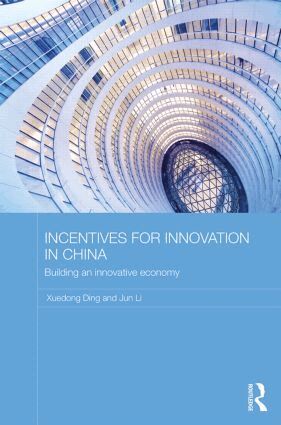
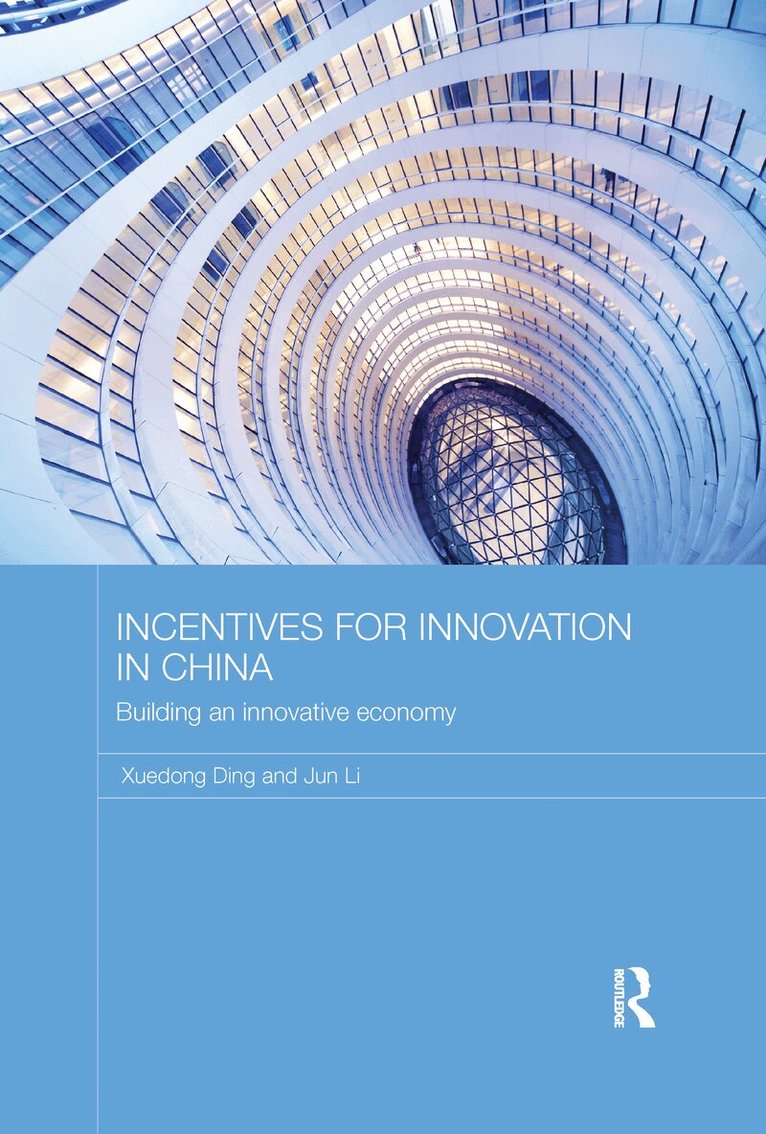
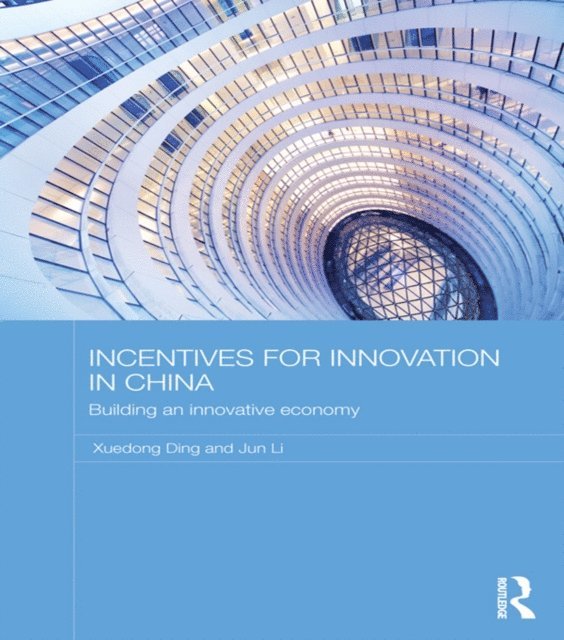
Incentives for Innovation in China
Building an Innovative Economy
Av Xuedong Ding, Jun Li
Inbunden, 2015
2578 kr
Lägg i varukorg
In the past three decades, China has successfully transformed itself from an extremely poor economy to the world’s second largest economy. The country’s phenomenal economic growth has been sustained primarily by its rapid and continuous industrialization. Currently industry accounts for nearly …
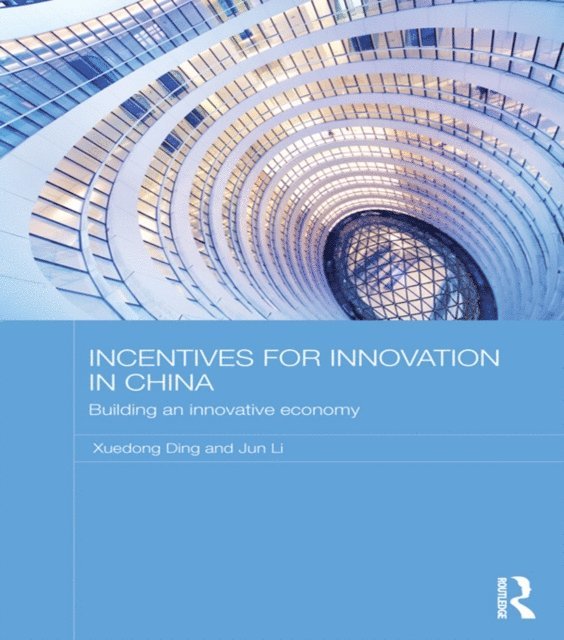
Incentives for Innovation in China
Building an Innovative Economy
Av Xuedong Ding, Jun Li
Häftad, 2017
825 kr
Lägg i varukorg
In the past three decades, China has successfully transformed itself from an extremely poor economy to the world’s second largest economy. The country’s phenomenal economic growth has been sustained primarily by its rapid and continuous industrialization. Currently industry accounts for nearly …
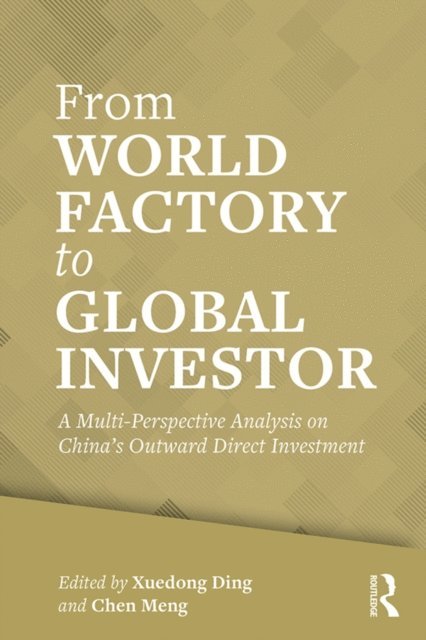
From World Factory to Global Investor
A Multi-perspective Analysis on China’s Outward Direct Investment
Inbunden, 2017
2203 kr
Lägg i varukorg
Chinese outward direct investment (ODI) is growing rapidly in recent years. As an important phenomenon in the global economy, China’s ODI deserves more thorough analysis. This book looks at China’s ODI activities from multi-perspectives. With the rebalancing of China’s own structural growth and …
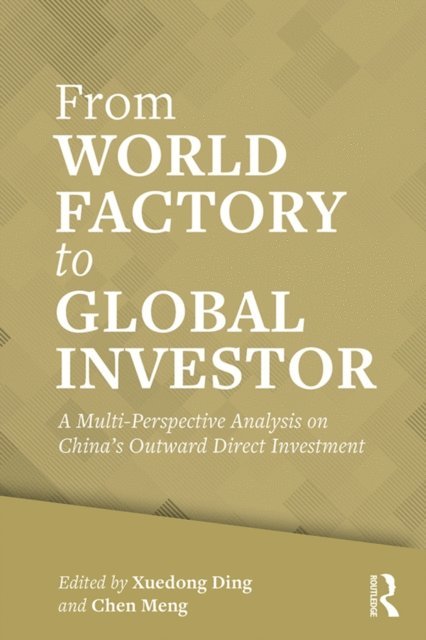
From World Factory to Global Investor
A Multi-perspective Analysis on China’s Outward Direct Investment
Häftad, 2017
894 kr
Lägg i varukorg
Chinese outward direct investment (ODI) is growing rapidly in recent years. As an important phenomenon in the global economy, China’s ODI deserves more thorough analysis. This book looks at China’s ODI activities from multi-perspectives. With the rebalancing of China’s own structural growth and …
From World Factory to Global Investor
A Multi-perspective Analysis on China's Outward Direct Investment
E-bok, 2017
1019 kr
Lägg i varukorg
Chinese outward direct investment (ODI) is growing rapidly in recent years. As an important phenomenon in the global economy, China’s ODI deserves more thorough analysis. This book looks at China’s ODI activities from multi-perspectives. With the rebalancing of China’s own structural growth …
From World Factory to Global Investor
A Multi-perspective Analysis on China's Outward Direct Investment
E-bok, 2017
1052 kr
Lägg i varukorg
Chinese outward direct investment (ODI) is growing rapidly in recent years. As an important phenomenon in the global economy, China’s ODI deserves more thorough analysis. This book looks at China’s ODI activities from multi-perspectives. With the rebalancing of China’s own structural growth …
Incentives for Innovation in China
Building an Innovative Economy
Av Jun Li, Xuedong Ding
E-bok, 2015
970 kr
Lägg i varukorg
In the past three decades, China has successfully transformed itself from an extremely poor economy to the world’s second largest economy. The country’s phenomenal economic growth has been sustained primarily by its rapid and continuous industrialization. Currently industry accounts for nearly …
Incentives for Innovation in China
Building an Innovative Economy
Av Jun Li, Xuedong Ding
E-bok, 2015
970 kr
Lägg i varukorg
In the past three decades, China has successfully transformed itself from an extremely poor economy to the world’s second largest economy. The country’s phenomenal economic growth has been sustained primarily by its rapid and continuous industrialization. Currently industry accounts for nearly …