Y. Honda - Böcker
Visar alla böcker från författaren Y. Honda. Handla med fri frakt och snabb leverans.
5 produkter
5 produkter
2 121 kr
Skickas inom 10-15 vardagar
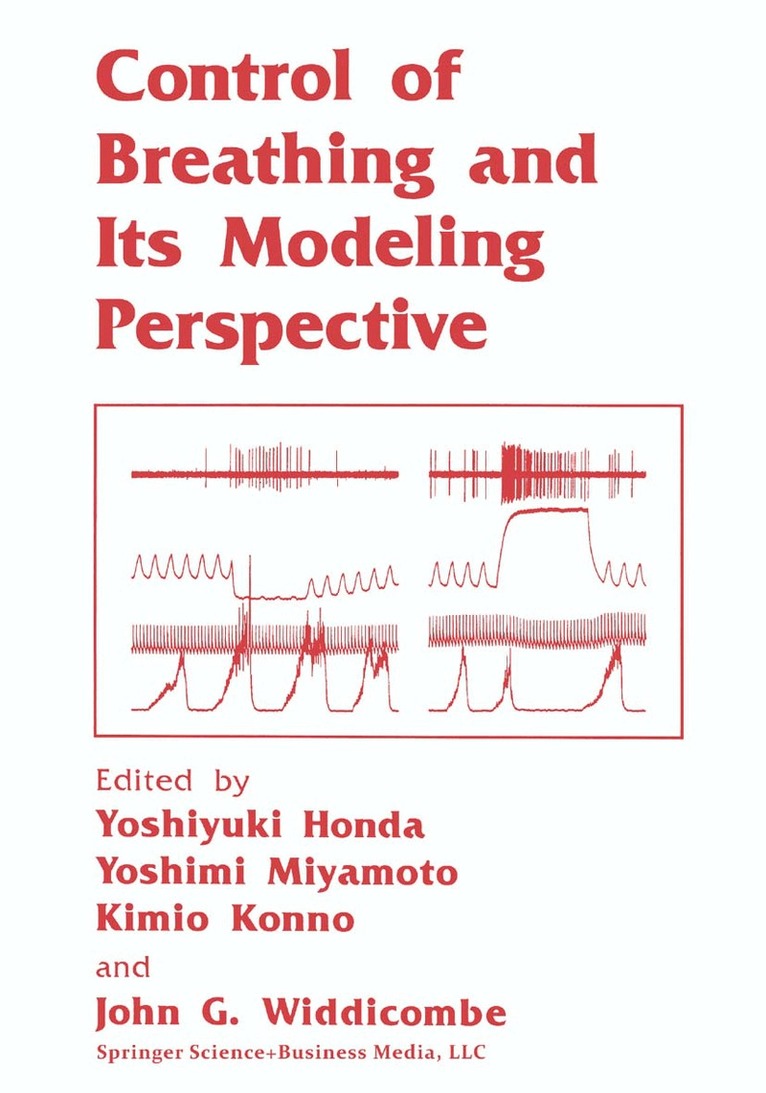
The fifth Oxford Conference was held on September 17th-19th, 1991, at the Fuji Institute of Training in Japan -the first time that the meeting has taken place in the Asian area. The facts that only a relatively few Japanese had attended previous Oxford Conferences and that Japan is far from other regions with possible participants made the organizers anticipate a small attendance at the meeting. However, contrary to our expectations, 198 active members (72 foreign and 126 domestic participants) submitted 146 papers from 15 countries. This was far beyond our preliminary estimate and could have caused problems in providing accommodation for the participants and in programming their scientific presentations. These difficulties, however, were successfully overcome by using nearby hotels, by telecasting presentations into a second lecture room and by displaying a substantial number of poster presentations during the whole period of the meeting. The meeting had two types of sessions: regular and current topics. The first paper in each session represented a shon overview or introduction so as to make it easier for the audience to comprehend the problems at issue. Because of the large number of papers submitted, carefully selected speakers (mostly well-known scholars) made excellent presentations that were followed by lively discussions. In this way, the conference laid a foundation on which to base its continued scientific success.
1 640 kr
Skickas inom 10-15 vardagar
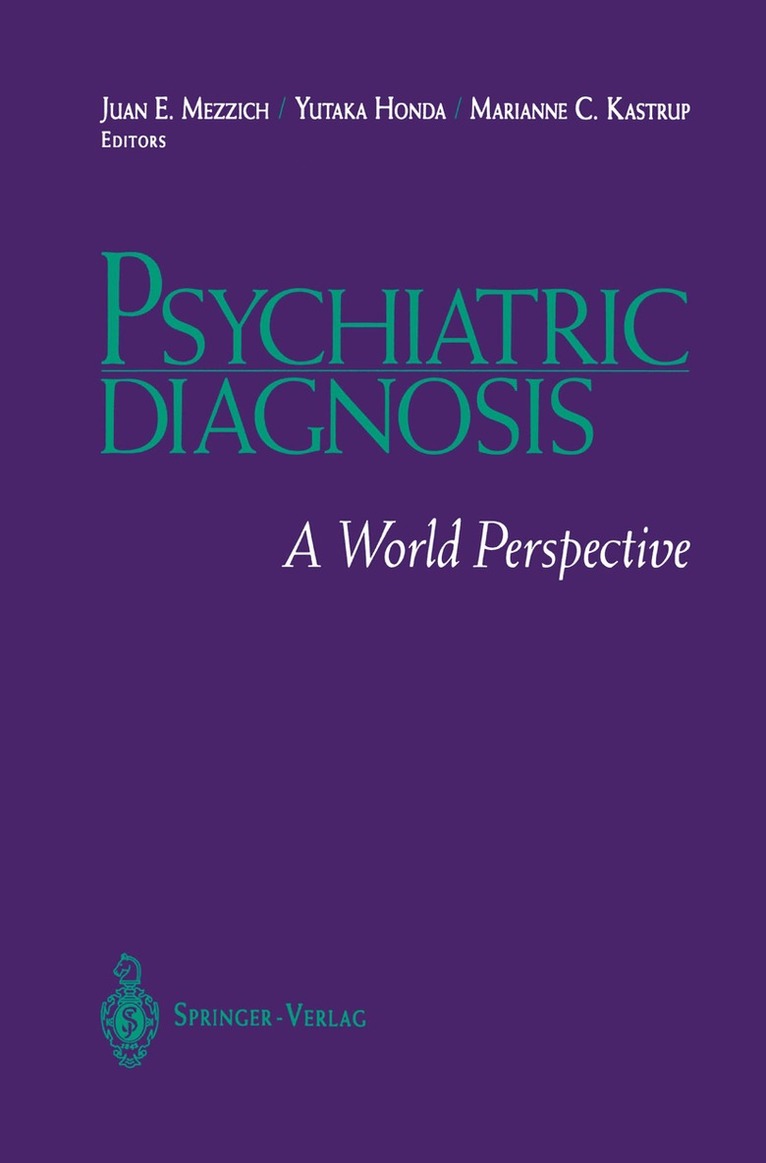
Advances in the standardization, precision and thoroughness of psychiatric diagnosis are being supplemented with attention to personalized or ideographic descriptive approaches. This promises not only to enhance the clinician's understanding of a case but to allow a fuller and more effective use of the evolving range of therapeutic possibilities. To reflect these developments, the Section on Classification, Diagnostic Assessment and Nomenclature of the World Psychiatric Association has prepared this volume which is organized around five prominent themes in contemporary psychiatric diagnosis: -major regional perspectives - ICD-10 - comprehensive diagnosis through the multiaxial model - treatment planning and organization of health services - the role and challenges of psychiatric diagnosis in primary health care.
2 121 kr
Skickas inom 10-15 vardagar
The fifth Oxford Conference was held on September 17th-19th, 1991, at the Fuji Institute of Training in Japan -the first time that the meeting has taken place in the Asian area. The facts that only a relatively few Japanese had attended previous Oxford Conferences and that Japan is far from other regions with possible participants made the organizers anticipate a small attendance at the meeting. However, contrary to our expectations, 198 active members (72 foreign and 126 domestic participants) submitted 146 papers from 15 countries. This was far beyond our preliminary estimate and could have caused problems in providing accommodation for the participants and in programming their scientific presentations. These difficulties, however, were successfully overcome by using nearby hotels, by telecasting presentations into a second lecture room and by displaying a substantial number of poster presentations during the whole period of the meeting. The meeting had two types of sessions: regular and current topics. The first paper in each session represented a shon overview or introduction so as to make it easier for the audience to comprehend the problems at issue. Because of the large number of papers submitted, carefully selected speakers (mostly well-known scholars) made excellent presentations that were followed by lively discussions. In this way, the conference laid a foundation on which to base its continued scientific success.
552 kr
Skickas inom 10-15 vardagar
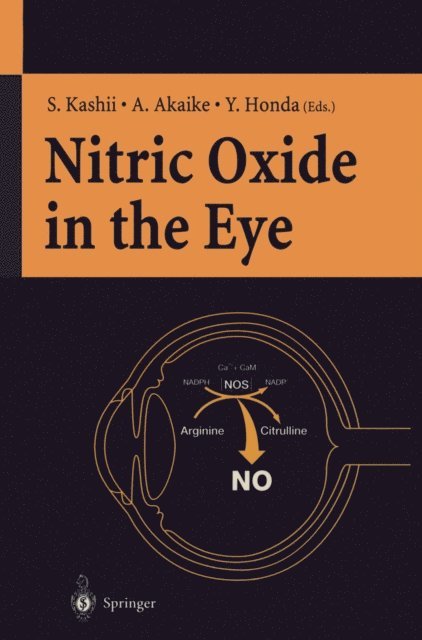
Nitric oxide (NO) is a simple gas with free radical properties. No one would have imagined a role for such a simple substance in the human body. In 1998, R. E Furchgott, E Murad, and L. J. Ignarro received the Nobel prize for their work on NO. Interestingly, Alfred B. Nobel, who invented dynamite by combining nitro glycerin with other substances, took nitroglycerin for his chest pain without realizing that NO mediates its action. Now, in addition to its vasodilating action, NO is known to possess many fundamental functions that include neurotrans mission, blood pressure control, blood clotting, and immune responses. These diverse functions, conversely, imply that the simple NO molecule may unite neuroscience, physiology, and immunology and may change our understanding of how cells communicate and defend themselves. In this context, the Inter national Symposium, Nitric Oxide and Free Radicals, was organized to address current thinking about the widespread distribution and variety of functions of NO in the eye. The symposium was held in Kyoto, Japan, September 28-29 as a Satellite Symposium of the XII International Congress of Eye Research, 1996. The Symposium was the first international gathering of leading scientists and ophthalmologists meeting to present and discuss their most recent results in a specialized area of research, specifically concerning the eye.
552 kr
Skickas inom 10-15 vardagar
The diverse roles in physiological function now attributed to nitric oxide include those it performs in the eye. This simple molecule has become the subject of increased attention among researchers and practitioners concerned with the eye. While most books in the field have concentrated on the pharmacology of NO in the central and peripheral nervous system or the cardiovascular system, the contents of this volume encompass all aspects of the eye and NO. The major sections of this text include reports of research in the mechanism of ocular hypertension and glaucoma (aqueous dynamics), ocular autonomic neurotransmission (ocular bloodflow), and the pathophysiology of uveitis. The final section contains three chapters on the role of NO specific to the retina.