Yale R. Magrass – författare
2 603 kr
Skickas inom 10-15 vardagar
582 kr
Skickas inom 10-15 vardagar
475 kr
Skickas inom 5-8 vardagar
665 kr
Läs direkt efter köp
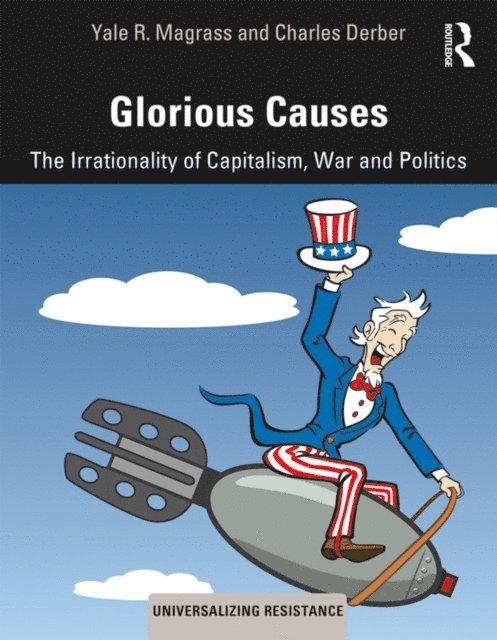
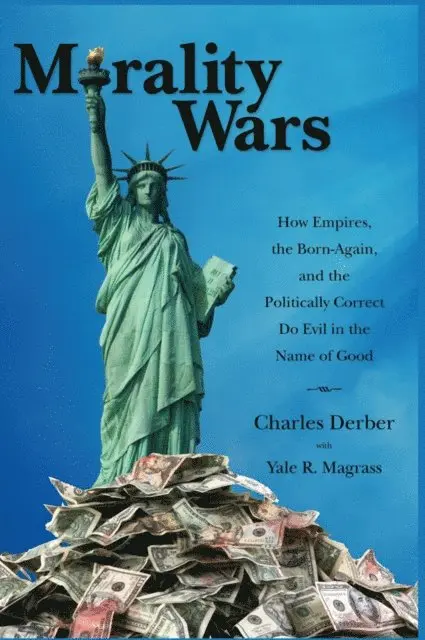
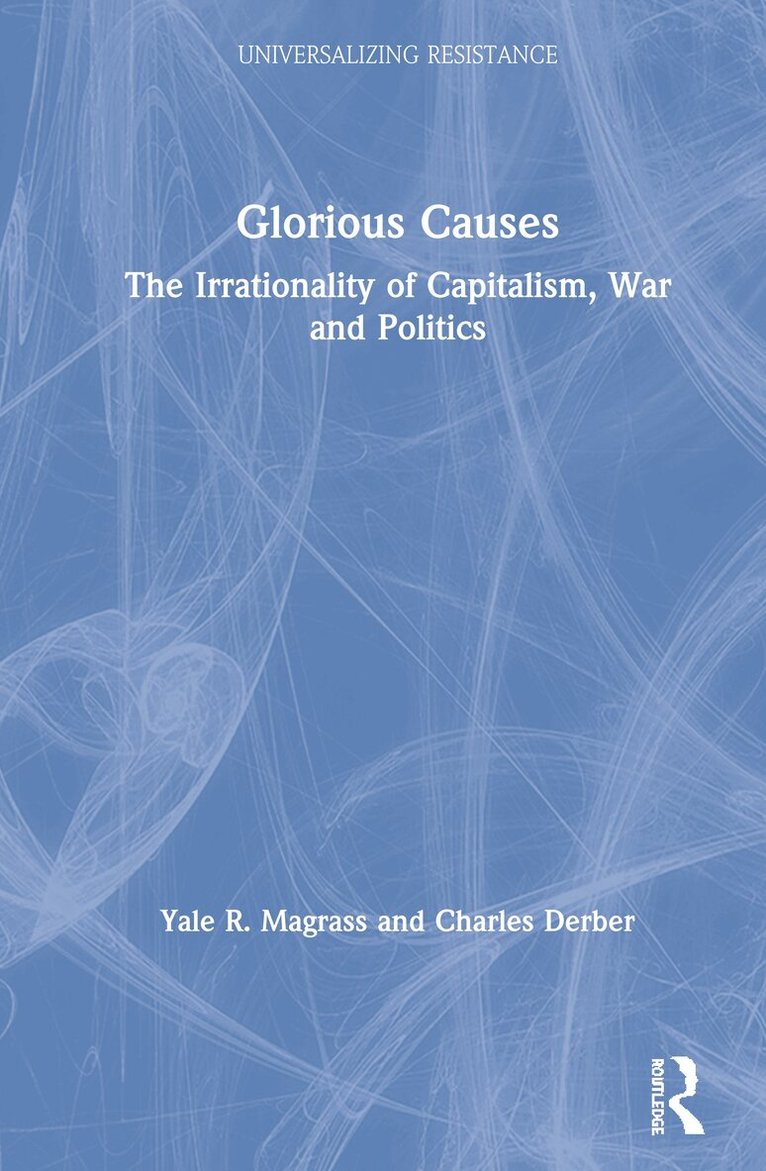
Drawing on historical cases of the American South before and after the Civil War, Europe – especially Germany – between the world wars, and the United States in Vietnam and its aftermath, this book takes a historical approach to explain the problems of capitalism and democratic leadership in western democracies today. Capitalist democracies proclaim equality, material prosperity and comfort but produce extreme differences in wealth and power. They promise security and peace, but deliver frequent wars. The promises broken, elites often turn to other visions- partially borrowed from feudalism- to win public support. Nations turn to honor, nobility and war as a way of winning over workers and legitimating the capitalist system itself.
Capitalism’s contradictions often have produced a cultural divide. One side, "cosmopolitans" – urban, see themselves as citizens of the world, not one region or country – identify as secular, preach multi-culturalism, entertain state welfare systems, and are cautious about going to war. Their opponents, "traditionalists," breed among people who feel left behind, anxiousness and insecurity, often embracing community, tradition, God and family.
The devastation of the world wars and the Third Reich led Europe to forgo visions of empire, militarism and glory and focus upon improving the quality of life for their own citizens. Although the United States does not need to experience comparable trauma, they should follow Europe’s example- forget glory and instead build a better life for the American people. The last chapter will consider how such a change could emerge in the US and who might help fight for it.
665 kr
Läs direkt efter köp
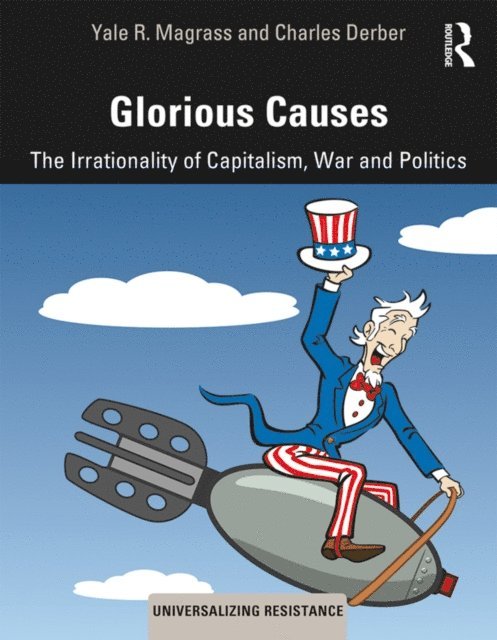
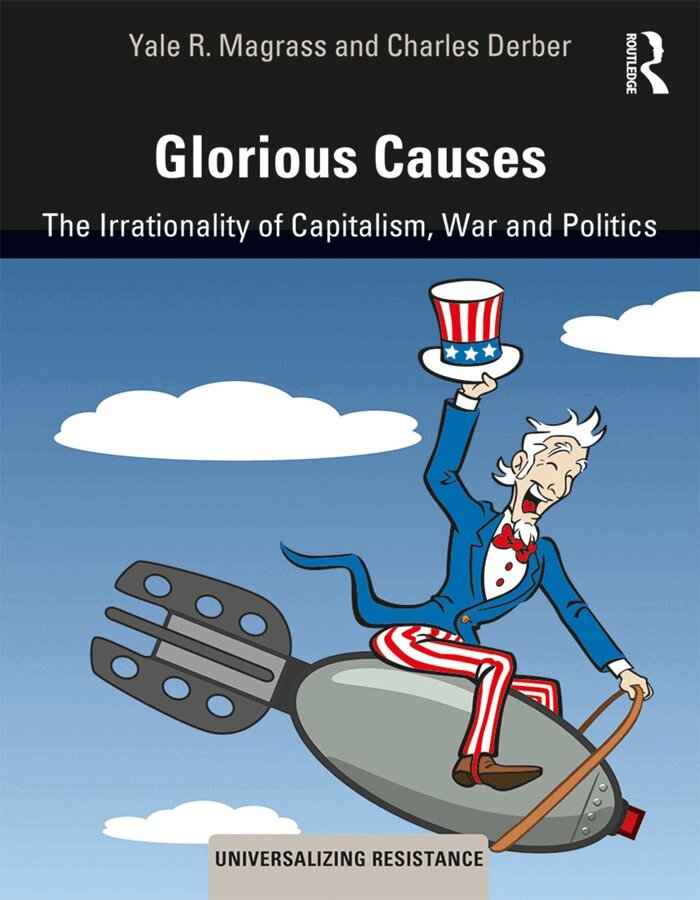
Drawing on historical cases of the American South before and after the Civil War, Europe – especially Germany – between the world wars, and the United States in Vietnam and its aftermath, this book takes a historical approach to explain the problems of capitalism and democratic leadership in western democracies today. Capitalist democracies proclaim equality, material prosperity and comfort but produce extreme differences in wealth and power. They promise security and peace, but deliver frequent wars. The promises broken, elites often turn to other visions- partially borrowed from feudalism- to win public support. Nations turn to honor, nobility and war as a way of winning over workers and legitimating the capitalist system itself.
Capitalism’s contradictions often have produced a cultural divide. One side, "cosmopolitans" – urban, see themselves as citizens of the world, not one region or country – identify as secular, preach multi-culturalism, entertain state welfare systems, and are cautious about going to war. Their opponents, "traditionalists," breed among people who feel left behind, anxiousness and insecurity, often embracing community, tradition, God and family.
The devastation of the world wars and the Third Reich led Europe to forgo visions of empire, militarism and glory and focus upon improving the quality of life for their own citizens. Although the United States does not need to experience comparable trauma, they should follow Europe’s example- forget glory and instead build a better life for the American people. The last chapter will consider how such a change could emerge in the US and who might help fight for it.

585 kr
Skickas inom 10-15 vardagar
2 247 kr
Skickas inom 10-15 vardagar
668 kr
Läs direkt efter köp
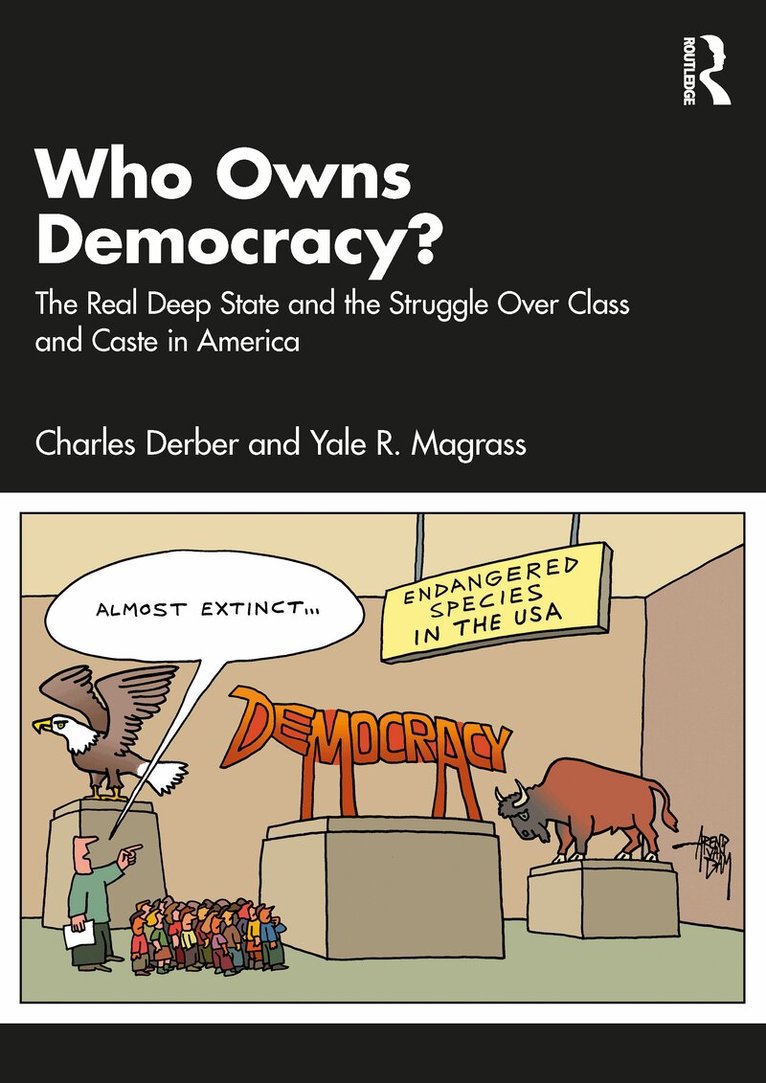
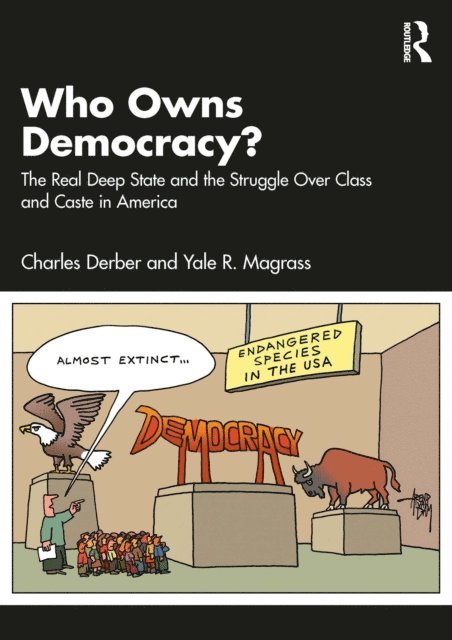
This book uniquely reverses today’s MAGA conspiratorial concept of the deep state to reveal how a very real “deeper state” is evident throughout history, back to the founding of American democracy.
Class and caste-based elites and their political allies have held dominant power in the US. Large corporations, Wall Street, and other sectors of the capitalist class outsource day-to-day governance to the mainstream political parties, which can compete vigorously and create a credible veneer of civil liberties and electoral democracy, disguising and legitimating the deep state. But it is a “shallow democracy,” since the deep state sets boundaries on policies and choices to serve itself. It also denies a universal franchise and obstructs the voting rights of people of color, the poor, and other communities threatening to the deep state. Moreover, the deep state constrains civic governance in the workplace and community, denying virtually all working people democratic control over their economic and social life.
Shallow democracy has a long history. Two embryonic deep states – a Northern capitalist deep state and a Southern slave-based deep state – came together in a tense and unstable union to create and govern the US. While the Confederate deep state, which we call proto-American fascism, was defeated in the Civil War, it left a deep imprint on the culture and politics of millions of Americans, and has resurged again in Trumpism. The shallow democracy of the capitalist deep state has survived previous challenges, but it lacks the deep roots that guarantees its survival.
The authors point to prospects for meaningful change arising from the extreme economic chasm dividing the nation economically and racially, and from existential crises of the survival of democracy and of a sustainable planet. They discuss strategy that might finally move the nation beyond MAGA toward deep democracy.
668 kr
Läs direkt efter köp
This book uniquely reverses today’s MAGA conspiratorial concept of the deep state to reveal how a very real “deeper state” is evident throughout history, back to the founding of American democracy.
Class and caste-based elites and their political allies have held dominant power in the US. Large corporations, Wall Street, and other sectors of the capitalist class outsource day-to-day governance to the mainstream political parties, which can compete vigorously and create a credible veneer of civil liberties and electoral democracy, disguising and legitimating the deep state. But it is a “shallow democracy,” since the deep state sets boundaries on policies and choices to serve itself. It also denies a universal franchise and obstructs the voting rights of people of color, the poor, and other communities threatening to the deep state. Moreover, the deep state constrains civic governance in the workplace and community, denying virtually all working people democratic control over their economic and social life.
Shallow democracy has a long history. Two embryonic deep states – a Northern capitalist deep state and a Southern slave-based deep state – came together in a tense and unstable union to create and govern the US. While the Confederate deep state, which we call proto-American fascism, was defeated in the Civil War, it left a deep imprint on the culture and politics of millions of Americans, and has resurged again in Trumpism. The shallow democracy of the capitalist deep state has survived previous challenges, but it lacks the deep roots that guarantees its survival.
The authors point to prospects for meaningful change arising from the extreme economic chasm dividing the nation economically and racially, and from existential crises of the survival of democracy and of a sustainable planet. They discuss strategy that might finally move the nation beyond MAGA toward deep democracy.
2 814 kr
Skickas inom 10-15 vardagar
568 kr
Skickas inom 10-15 vardagar
649 kr
Läs direkt efter köp
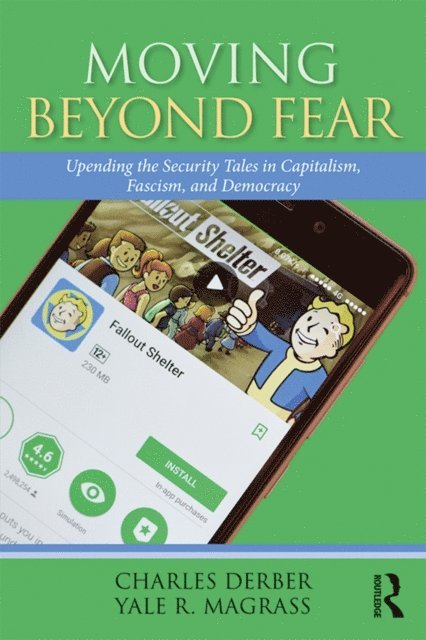
While security stories often point to real threats, the narratives of leaders are as much about legitimating the power of rulers and the political and economic system that brought them to power. Derber and Magrass offer a penetrating examination of this phenomenon across history and types of societies. Their analysis reveals the great irony about security stories: they historically increase insecurity, imperiling citizens and nation. In the US today, the contradiction is especially acute, as security stories told by Trump divide US citizens against one another.
The book builds from an analysis of the extreme dangers of the prevailing security stories to a new paradigm of true security. The authors develop new approaches as our best hope for avoiding catastrophe and creating a socially just society based on real security for a nation and for humans across the planet.
649 kr
Läs direkt efter köp
While security stories often point to real threats, the narratives of leaders are as much about legitimating the power of rulers and the political and economic system that brought them to power. Derber and Magrass offer a penetrating examination of this phenomenon across history and types of societies. Their analysis reveals the great irony about security stories: they historically increase insecurity, imperiling citizens and nation. In the US today, the contradiction is especially acute, as security stories told by Trump divide US citizens against one another.
The book builds from an analysis of the extreme dangers of the prevailing security stories to a new paradigm of true security. The authors develop new approaches as our best hope for avoiding catastrophe and creating a socially just society based on real security for a nation and for humans across the planet.
471 kr
Läs direkt efter köp
471 kr
Läs direkt efter köp
471 kr
Läs direkt efter köp
471 kr
Läs direkt efter köp
633 kr
Läs direkt efter köp
633 kr
Läs direkt efter köp
1 045 kr
Skickas inom 10-15 vardagar
414 kr
Skickas inom 10-15 vardagar
2 603 kr
Skickas inom 10-15 vardagar
414 kr
Skickas inom 10-15 vardagar
2 814 kr
Skickas inom 10-15 vardagar
554 kr
Skickas inom 10-15 vardagar