Yang Yi – författare
858 kr
Läs direkt efter köp
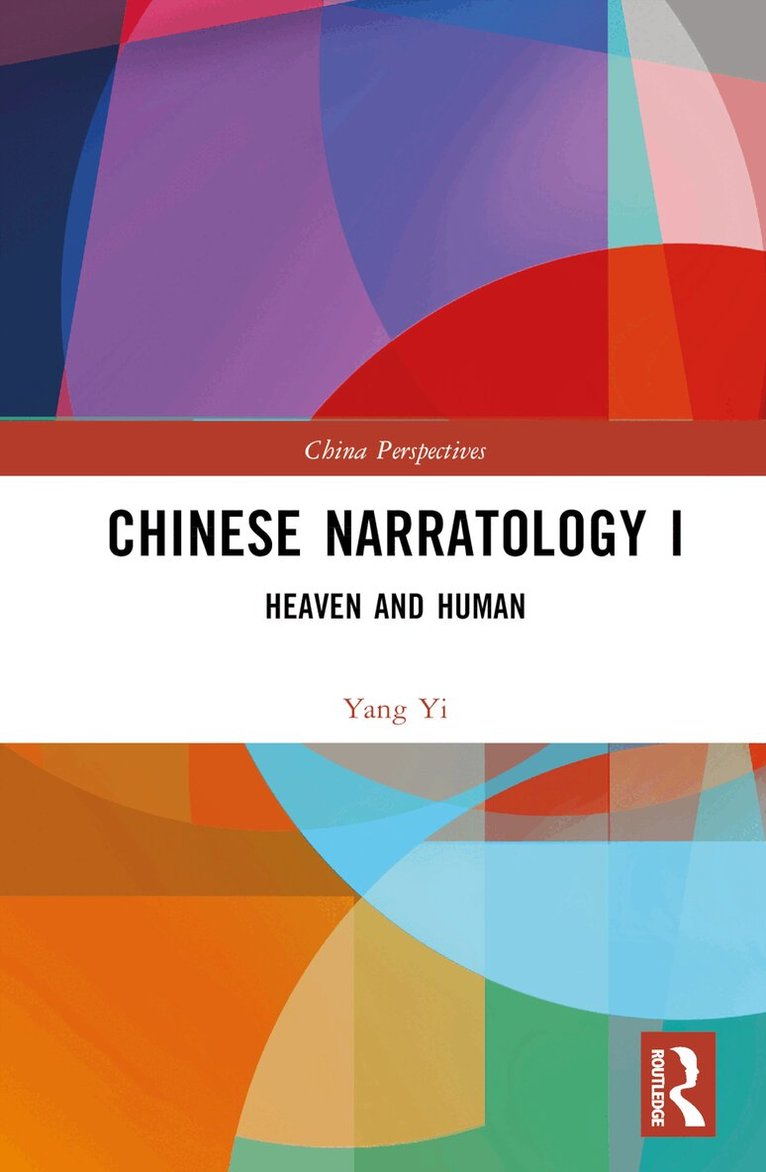
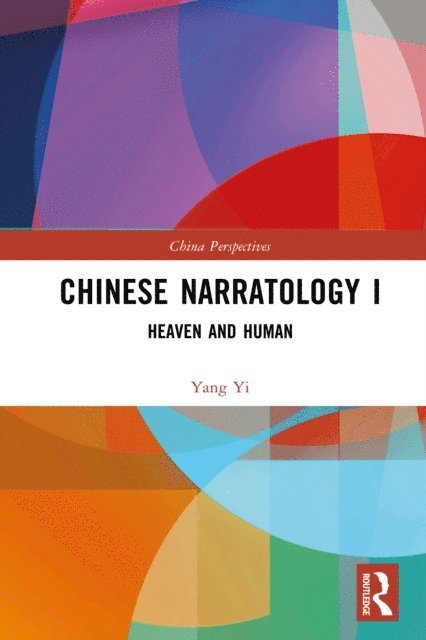
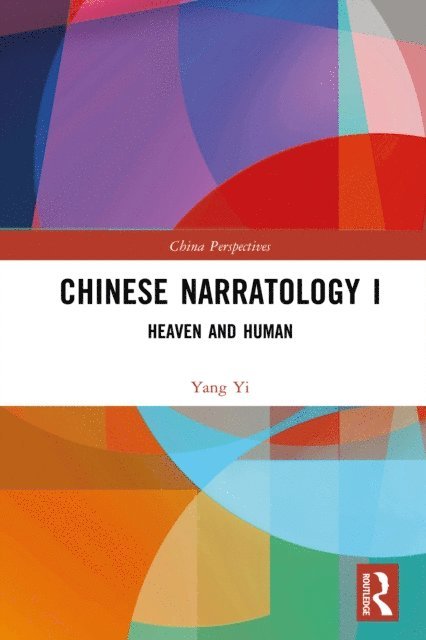
As the first volume of a two-volume set on Chinese narratology, this title introduces the cultural fundamentals that nurture Chinese literary works and investigates the structure and time of Chinese narrative.
In the introductory chapter, the author examines the intrinsic association between Chinese writers’ narrative techniques and China’s cultural background by putting forward a Principle of Duixing to facilitate the study of those techniques and three steps to revisit Chinese narrative. Based on Western narrative theories and a close reading of outstanding Chinese literary classics, the volume focuses on structure and time in Chinese narrative. The first part on structure (jiegou) identifies five essential themes to analyze the dual dynamic structure of Chinese narrative. In terms of aspects of time, the author demonstrates how the holistic view of time and space in the Chinese tradition influences the chronological framework of narratives and shapes the outset of a story.
The book is a must-read for scholars and students interested in narrative theory, Chinese culture and literature, and the dialogue between Chinese and Western narratological studies.
890 kr
Läs direkt efter köp
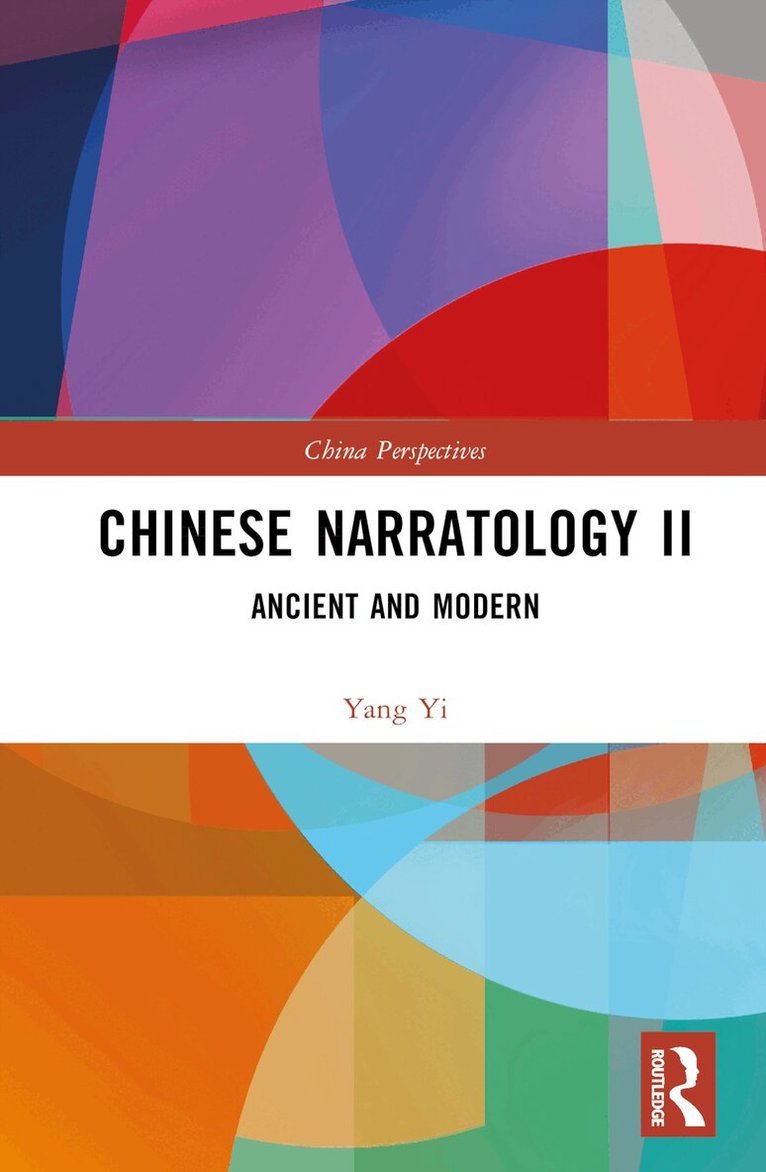
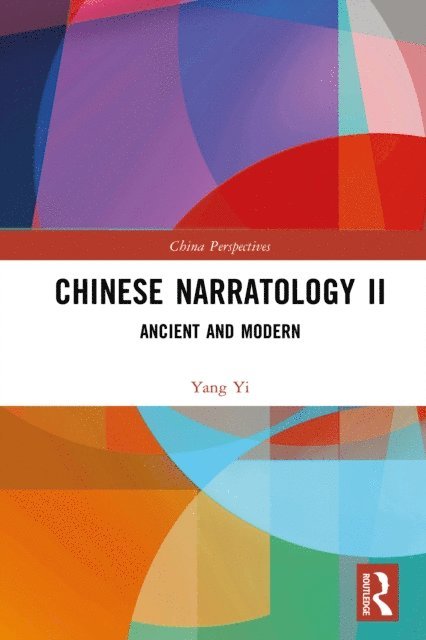
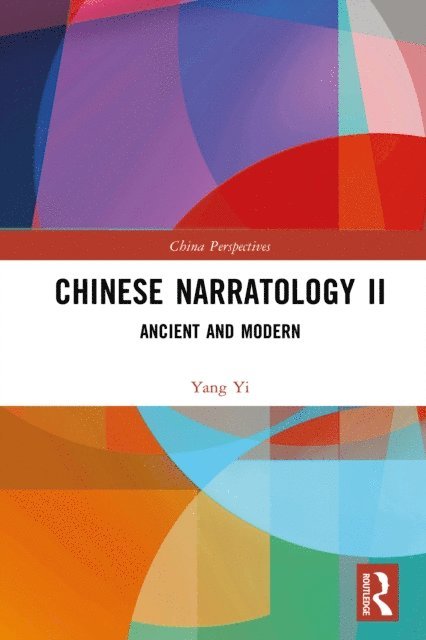
As the second volume of a two-volume set on Chinese narratology, this title investigates the quintessential characteristics of the Chinese narrative style, with a focus on image and perspective.The first chapter introduces two opposing concepts of perspective: “focalization” and “blind spot,” to connect “perspective” with traditional aesthetics, highlighting the mutual relation of the nonexistent and the existent. The author believes that both the narrator and perspective are central to the narrative forms and strategies adopted by Chinese writers and that study of the narrator and perspective is integral to understanding the cultural, aesthetic, and philosophical connotations of the narrative text and the spiritual world of the author. Drawing on perceptual phenomenology, the chapter on image broadens the extant knowledge of “image” and points out that image narration is unique to Chinese narratology and central to Chinese aesthetics. The final chapter illustrating the achievements of influential critics of classical Chinese novels, proving that these critics have contributed to the canonization of the genuine masterpieces of Chinese narrative literature.The book is a must-read for scholars and students interested in narrative theory, Chinese culture and literature, and dialogue between Chinese and Western narratological studies.
866 kr
Läs direkt efter köp
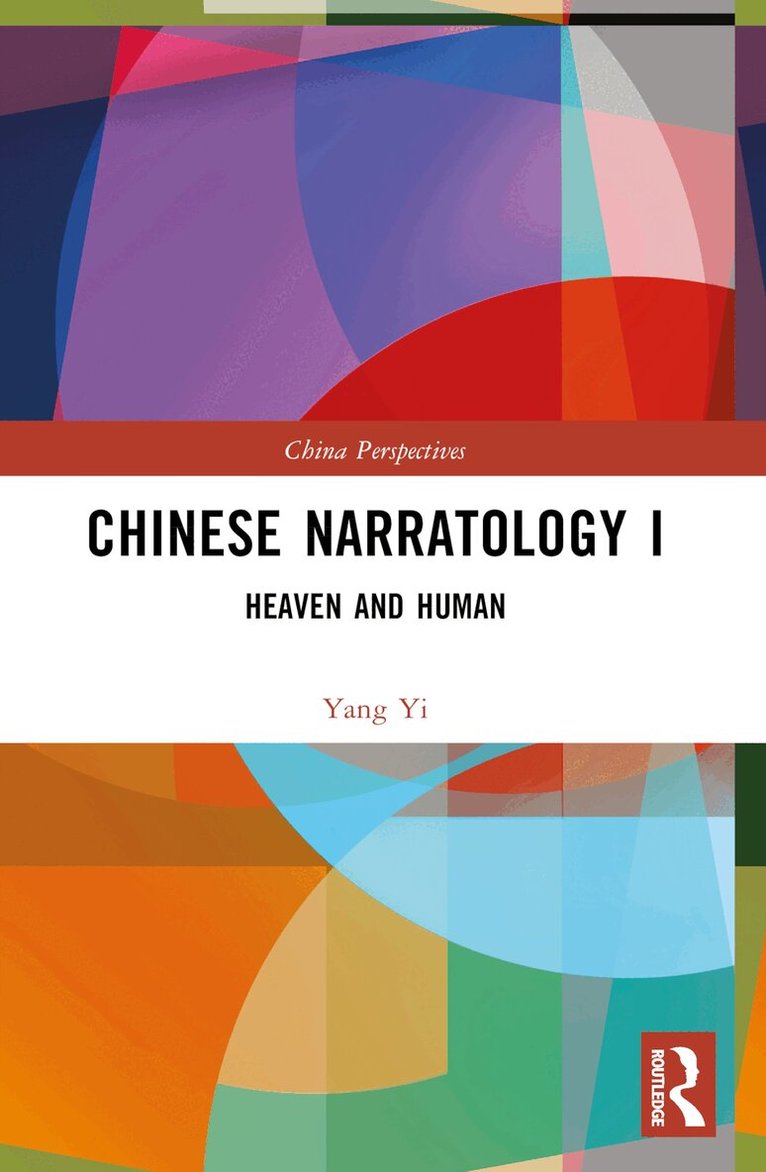
As the first volume of a two-volume set on Chinese narratology, this title introduces the cultural fundamentals that nurture Chinese literary works and investigates the structure and time of Chinese narrative.
In the introductory chapter, the author examines the intrinsic association between Chinese writers’ narrative techniques and China’s cultural background by putting forward a Principle of Duixing to facilitate the study of those techniques and three steps to revisit Chinese narrative. Based on Western narrative theories and a close reading of outstanding Chinese literary classics, the volume focuses on structure and time in Chinese narrative. The first part on structure (jiegou) identifies five essential themes to analyze the dual dynamic structure of Chinese narrative. In terms of aspects of time, the author demonstrates how the holistic view of time and space in the Chinese tradition influences the chronological framework of narratives and shapes the outset of a story.
The book is a must-read for scholars and students interested in narrative theory, Chinese culture and literature, and the dialogue between Chinese and Western narratological studies.
858 kr
Läs direkt efter köp
As the second volume of a two-volume set on Chinese narratology, this title investigates the quintessential characteristics of the Chinese narrative style, with a focus on image and perspective.The first chapter introduces two opposing concepts of perspective: “focalization” and “blind spot,” to connect “perspective” with traditional aesthetics, highlighting the mutual relation of the nonexistent and the existent. The author believes that both the narrator and perspective are central to the narrative forms and strategies adopted by Chinese writers and that study of the narrator and perspective is integral to understanding the cultural, aesthetic, and philosophical connotations of the narrative text and the spiritual world of the author. Drawing on perceptual phenomenology, the chapter on image broadens the extant knowledge of “image” and points out that image narration is unique to Chinese narratology and central to Chinese aesthetics. The final chapter illustrating the achievements of influential critics of classical Chinese novels, proving that these critics have contributed to the canonization of the genuine masterpieces of Chinese narrative literature.The book is a must-read for scholars and students interested in narrative theory, Chinese culture and literature, and dialogue between Chinese and Western narratological studies.
2 522 kr
Skickas inom 10-15 vardagar
2 522 kr
Skickas inom 10-15 vardagar
5 939 kr
Skickas inom 10-15 vardagar
754 kr
Skickas inom 10-15 vardagar
754 kr
Skickas inom 10-15 vardagar
1 769 kr
Skickas inom 10-15 vardagar
302 kr
Skickas inom 5-8 vardagar
355 kr
Skickas inom 5-8 vardagar
210 kr
Skickas inom 3-6 vardagar
955 kr
Skickas inom 5-8 vardagar