Yasemin Nuhoglu Soysal – författare
Visar alla böcker från författaren Yasemin Nuhoglu Soysal. Handla med fri frakt och snabb leverans.
6 produkter
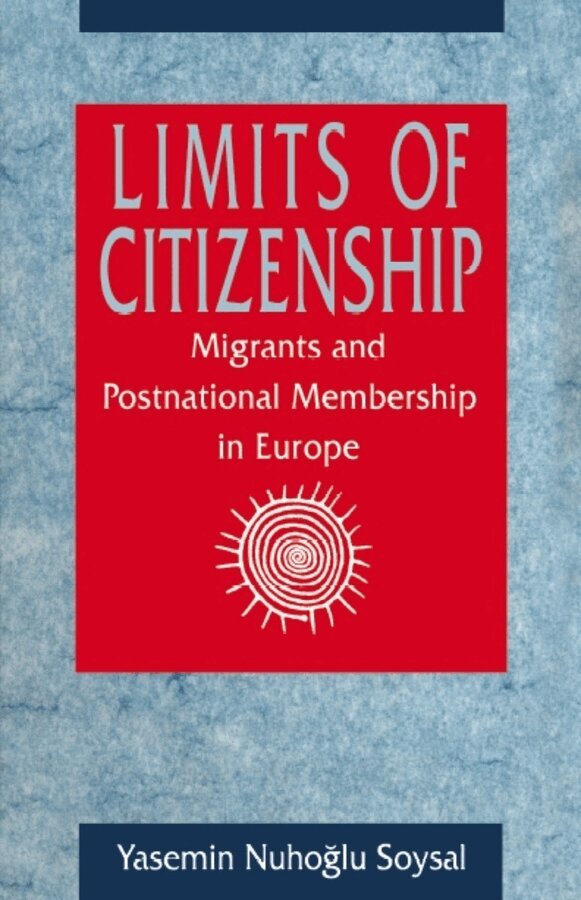
Limits of Citizenship
Migrants and Postnational Membership in Europe
Häftad, 1995
296 kr
Lägg i varukorg
In this work, Yasemin Soysal compares the different ways in which European nations incorporate immigrants, how these policies evolved and how they are influenced by international human rights discourse. Soysal focuses on post-war international migration, paying particular attention to …
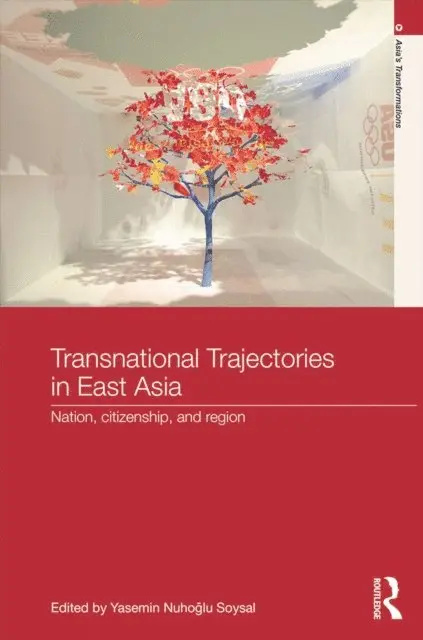
Transnational Trajectories in East Asia
Nation, Citizenship, and Region
E-bok, 2014
1074 kr
Lägg i varukorg
In recent decades, East Asia has become increasingly interconnected through trade, investment, migration, and popular culture at regional and global levels. At the same time, the region has seen renewed national assertiveness and nationalist impulses. The book interrogates these seemingly …
Transnational Trajectories in East Asia
Nation, Citizenship, and Region
E-bok, 2014
1074 kr
Lägg i varukorg
In recent decades, East Asia has become increasingly interconnected through trade, investment, migration, and popular culture at regional and global levels. At the same time, the region has seen renewed national assertiveness and nationalist impulses. The book interrogates these seemingly …
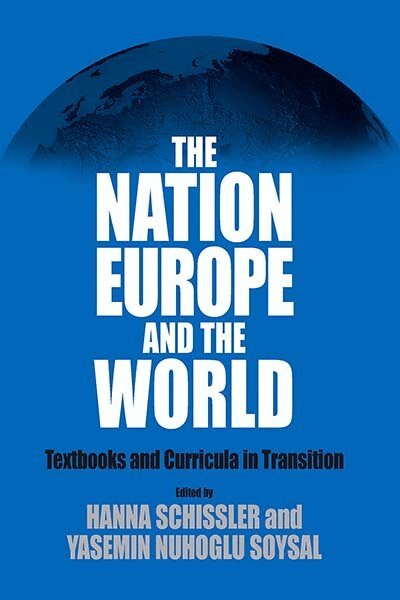
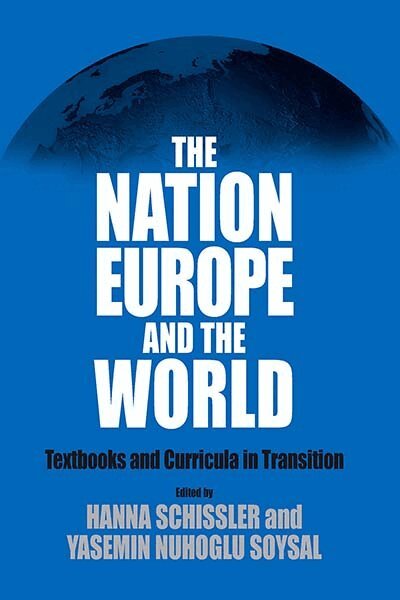
Nation, Europe, and the World
Textbooks and Curricula in Transition
Av Hanna Schissler, Yasemin Nuhoglu Soysal
Inbunden, 2005
1979 kr
Lägg i varukorg
Textbooks in history, geography and the social sciences provide important insights into the ways in which nation-states project themselves. Based on case studies of France, Germany, the Netherlands, Spain, Greece, Turkey Bulgaria, Russia, and the United States, this volume shows the role that …
Nation, Europe, and the World
Textbooks and Curricula in Transition
Av Hanna Schissler, Yasemin Nuhoglu Soysal
Häftad, 2005
543 kr
Lägg i varukorg
Textbooks in history, geography and the social sciences provide important insights into the ways in which nation-states project themselves. Based on case studies of France, Germany, the Netherlands, Spain, Greece, Turkey Bulgaria, Russia, and the United States, this volume shows the role that …
Nation, Europe, and the World
Textbooks and Curricula in Transition
Av Yasemin Nuhoglu Soysal, Hanna Schissler
E-bok, 2005
335 kr
Lägg i varukorg
Textbooks in history, geography and the social sciences provide important insights into the ways in which nation-states project themselves. Based on case studies of France, Germany, the Netherlands, Spain, Greece, Turkey Bulgaria, Russia, and the United States, this volume shows the role that …