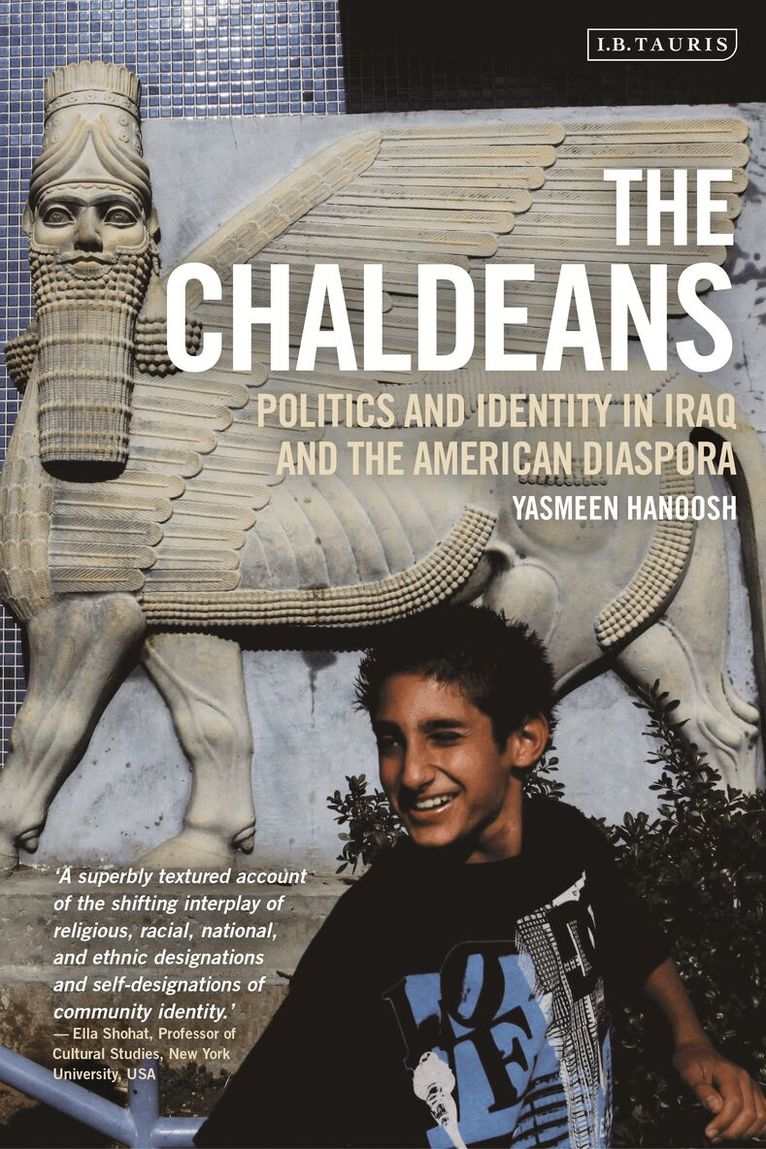
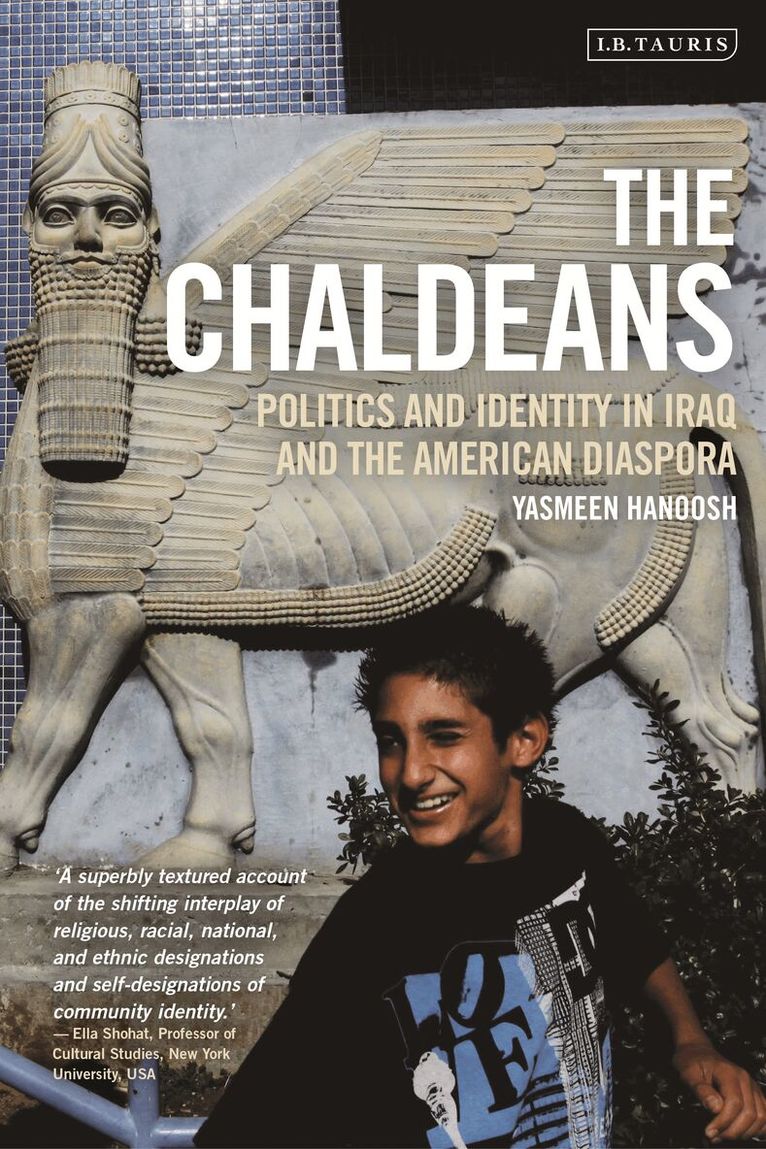
Modern Chaldeans are an Aramaic speaking Catholic Syriac community from northern Iraq, not to be confused with the ancient Mesopotamian civilization of the same name. First identified as ‘Chaldean’ by the Catholic Church in the sixteenth century, this misnomer persisted, developing into a distinctive and unique identity. In modern times, the demands of assimilation in the US, together with increased hostility and sectarian violence in Iraq, gave rise to a complex and transnational identity. Faced with Islamophobia in the US, Chaldeans were at pains to emphasize a Christian identity, and appropriated the ancient, pre-Islamic history of their namesake as a means of distinction between them and other immigrants from Arab lands. In this, the first ethnographic history of the modern Chaldeans, Yasmeen Hanoosh explores these ancient-modern inflections in contemporary Chaldean identity discourses, the use of history as a collective commodity for developing and sustaining a positive community image in the present, and the use of language revival and monumental symbolism to reclaim association with Christian and pre-Christian traditions.
Modern Chaldeans are an Aramaic speaking Catholic Syriac community from northern Iraq, not to be confused with the ancient Mesopotamian civilization of the same name. First identified as 'Chaldean' by the Catholic Church in the sixteenth century, this misnomer persisted, developing into a distinctive and unique identity. In modern times, the demands of assimilation in the US, together with increased hostility and sectarian violence in Iraq, gave rise to a complex and transnational identity. Faced with Islamophobia in the US, Chaldeans were at pains to emphasize a Christian identity, and appropriated the ancient, pre-Islamic history of their namesake as a means of distinction between them and other immigrants from Arab lands. In this, the first ethnographic history of the modern Chaldeans, Yasmeen Hanoosh explores these ancient-modern inflections in contemporary Chaldean identity discourses, the use of history as a collective commodity for developing and sustaining a positive community image in the present, and the use of language revival and monumental symbolism to reclaim association with Christian and pre-Christian traditions.
Modern Chaldeans are an Aramaic speaking Catholic Syriac community from northern Iraq, not to be confused with the ancient Mesopotamian civilization of the same name. First identified as ‘Chaldean’ by the Catholic Church in the sixteenth century, this misnomer persisted, developing into a distinctive and unique identity. In modern times, the demands of assimilation in the US, together with increased hostility and sectarian violence in Iraq, gave rise to a complex and transnational identity. Faced with Islamophobia in the US, Chaldeans were at pains to emphasize a Christian identity, and appropriated the ancient, pre-Islamic history of their namesake as a means of distinction between them and other immigrants from Arab lands. In this, the first ethnographic history of the modern Chaldeans, Yasmeen Hanoosh explores these ancient-modern inflections in contemporary Chaldean identity discourses, the use of history as a collective commodity for developing and sustaining a positive community image in the present, and the use of language revival and monumental symbolism to reclaim association with Christian and pre-Christian traditions.
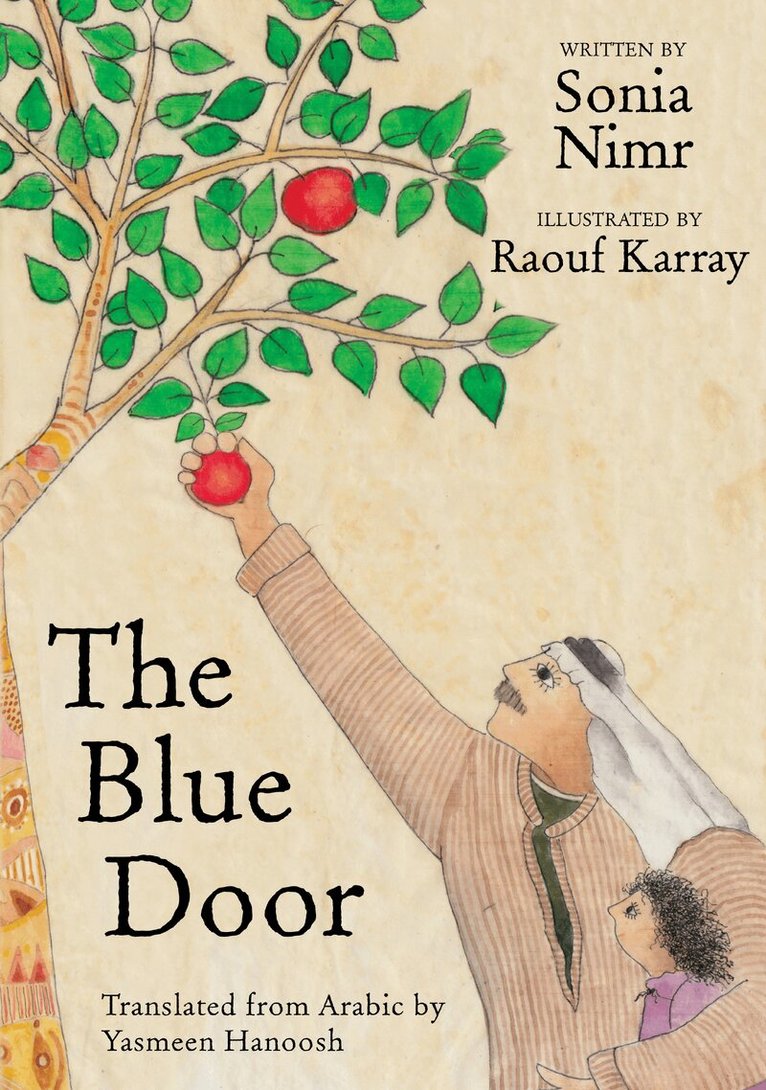
A young girl and her grandfather travel across time to visit his home village, now destroyed, in Palestine. A tender intergenerational picture book for ages 5–8 about longing, liberation, resilience, and the enduring dream of home.A child in Palestine pays special attention to a strange door in her living room. The door is blue, cracked and faded, and serves no purpose as it rests against a wall, leading nowhere. The child's grandfather, however, not only seems to protect the door, but also appears to have a special use for it. One night he shows her how the blue door can spring into the air, carrying both of them to the home village where he spent his youth, before his displacement to the refugee camp where they both live.The Blue Door depicts life upended by occupation. Nimr's telling is both matter of fact and poetic, powerfully evoking a longing that feels too big to be contained by these pages. Raouf Karray's illustrations spangle the story with shining leaves, jaunty flowers, waves of blue sea water that look like the rings of a tree. His mosaic doorframes illuminate lush portals of memory—a shared history and hope for liberation that join one generation with the next. Both hero and heroine are, in Karray's hands, zany and particular, their gestures by turns tender, jolly, and contemplative. The Blue Door will enchant.