Yasmine Berriane – författare
Visar alla böcker från författaren Yasmine Berriane. Handla med fri frakt och snabb leverans.
6 produkter
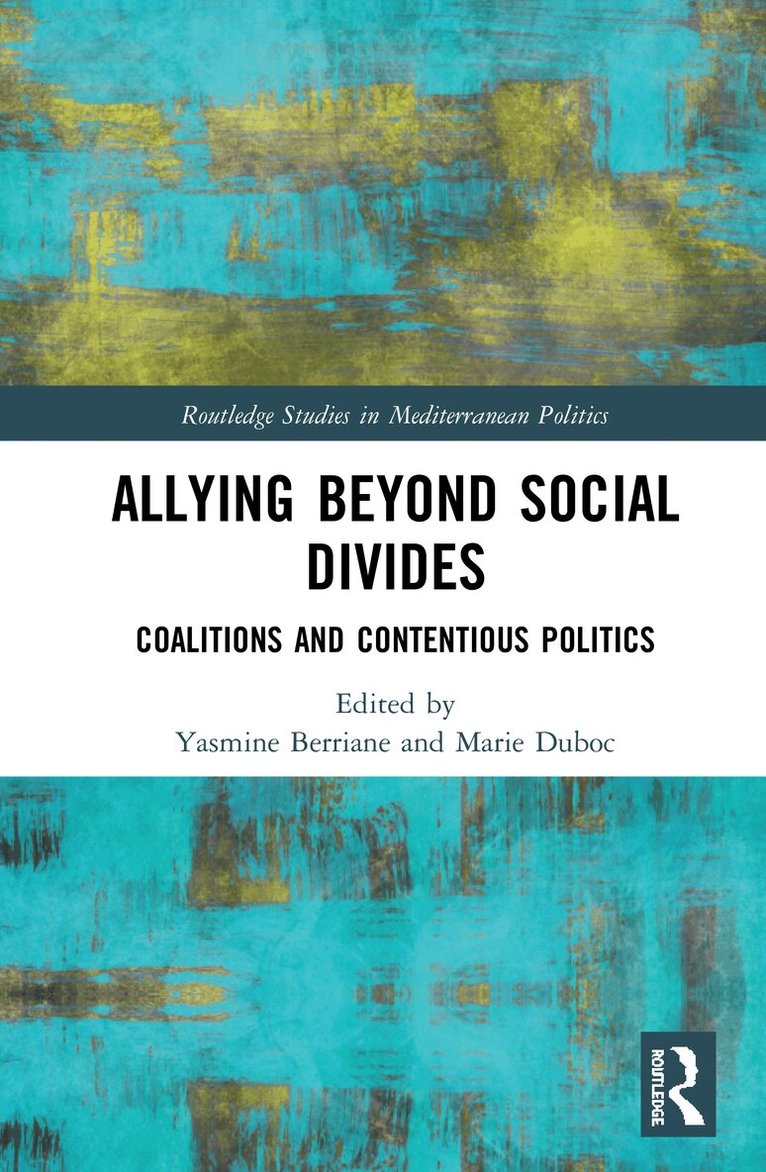
Allying beyond Social Divides
Coalitions and Contentious Politics
Av Yasmine Berriane, Marie Duboc
Inbunden, 2020
1524 kr
Lägg i varukorg
This book offers a fresh look at the role of coalitions in contentious politics in North Africa and the Middle East, based on conceptual reflexions and empirical case studies by researchers who have conducted extensive fieldwork in the region.Coalitions of actors that have traditionally not been …
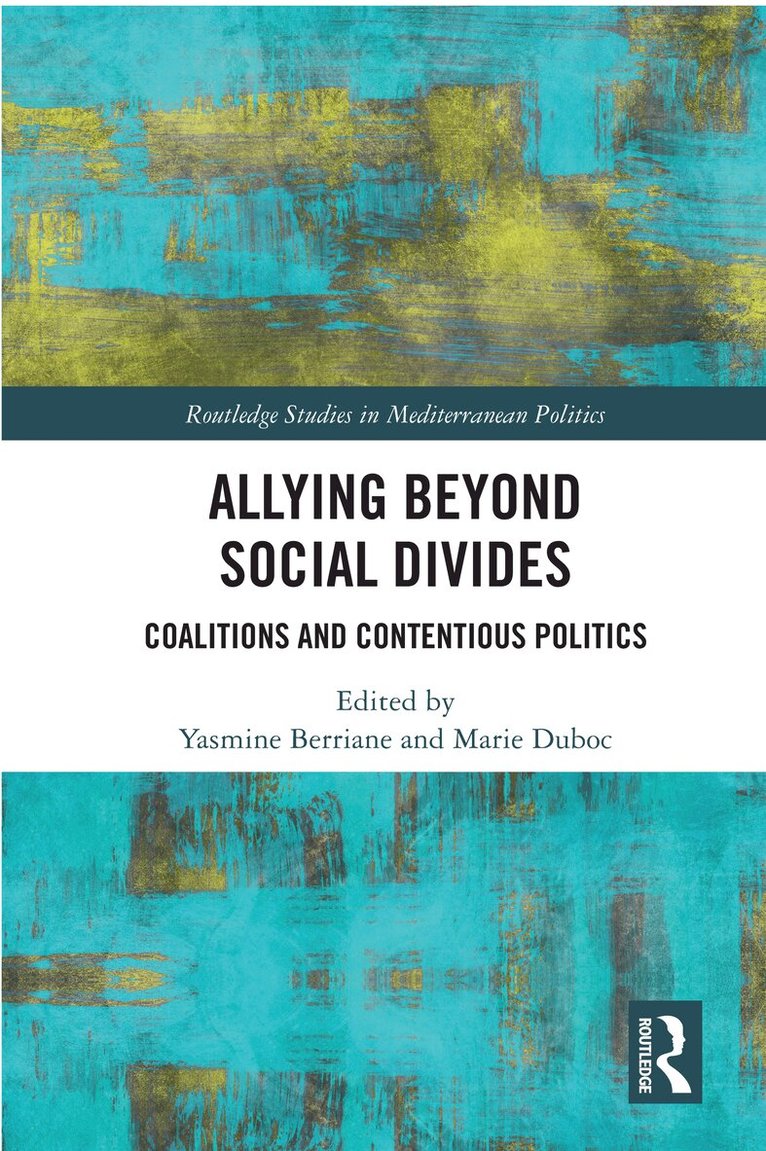
Allying beyond Social Divides
Coalitions and Contentious Politics
Av Yasmine Berriane, Marie Duboc
Häftad, 2024
692 kr
Lägg i varukorg
This book offers a fresh look at the role of coalitions in contentious politics in North Africa and the Middle East, based on conceptual reflexions and empirical case studies by researchers who have conducted extensive fieldwork in the region.Coalitions of actors that have traditionally not been …
Allying beyond Social Divides
Coalitions and Contentious Politics
Av Marie Duboc, Yasmine Berriane
E-bok, 2020
814 kr
Lägg i varukorg
This book offers a fresh look at the role of coalitions in contentious politics in North Africa and the Middle East, based on conceptual reflexions and empirical case studies by researchers who have conducted extensive fieldwork in the region. Coalitions of actors that have traditionally not been …
Allying beyond Social Divides
Coalitions and Contentious Politics
Av Marie Duboc, Yasmine Berriane
E-bok, 2020
814 kr
Lägg i varukorg
This book offers a fresh look at the role of coalitions in contentious politics in North Africa and the Middle East, based on conceptual reflexions and empirical case studies by researchers who have conducted extensive fieldwork in the region. Coalitions of actors that have traditionally not been …
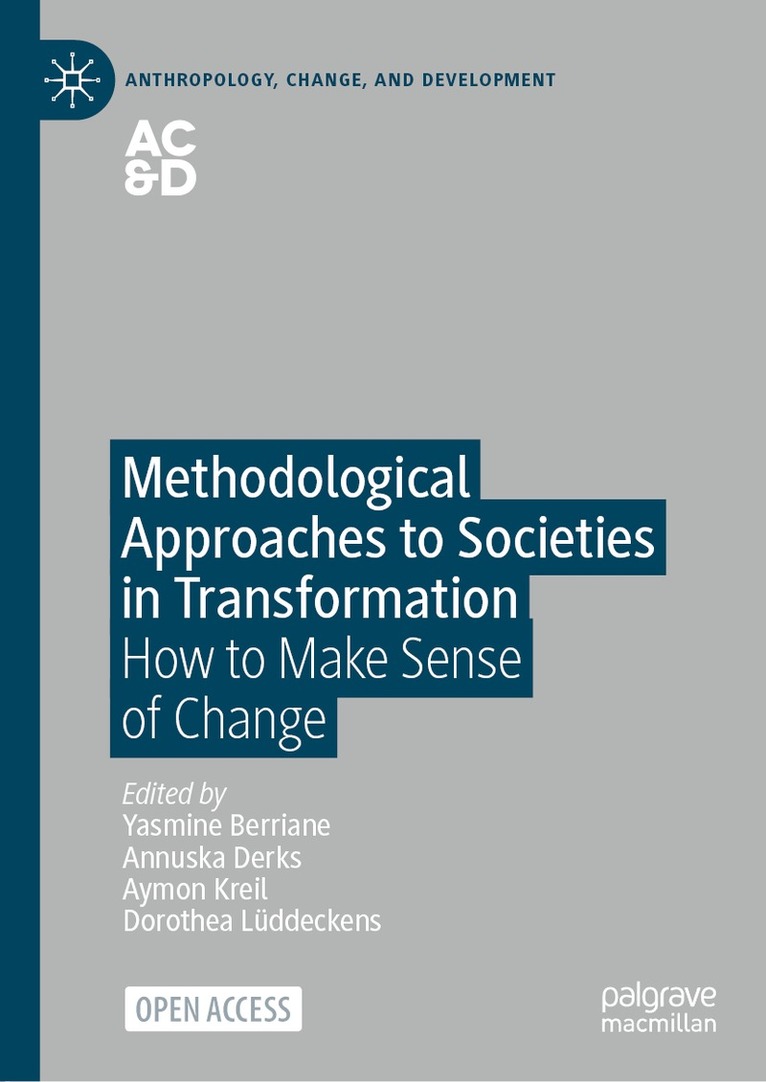
Methodological Approaches to Societies in Transformation
How to Make Sense of Change
Av Yasmine Berriane, Annuska Derks m. fl.
Inbunden, 2021
550 kr
Lägg i varukorg
This open access book provides methodological devices and analytical frameworks for the study of societies in transformation. It explores a central paradox in the study of change: making sense of change requires long-term perspectives on societal transformations and on the different ways people …
Methodological Approaches to Societies in Transformation
How to Make Sense of Change
Av Yasmine Berriane, Annuska Derks m. fl.
Häftad, 2022
442 kr
Lägg i varukorg
This open access book provides methodological devices and analytical frameworks for the study of societies in transformation. It explores a central paradox in the study of change: making sense of change requires long-term perspectives on societal transformations and on the different ways people …