Yijiang Zhong - Böcker
Visar alla böcker från författaren Yijiang Zhong. Handla med fri frakt och snabb leverans.
3 produkter
3 produkter
793 kr
Skickas inom 11-20 vardagar
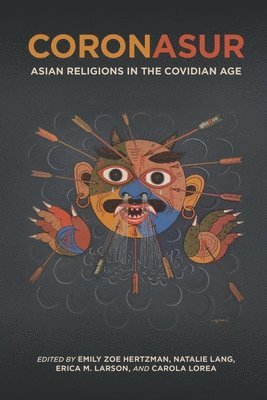
By the summer of 2020, when the coronavirus had fully entered our everyday vocabulary and our lives, religious communities and places of worship around the world were already undergoing profound changes. In Asian and Asian diaspora communities, diverse cultural tropes, beliefs, and artifacts were mobilized to make sense of Covid, including a repertoire of gods and demons like Coronasur, the virus depicted with the horns and fangs of a traditional Hindu demon. Various kinds of knowledge were invoked: theologies, indigenous medicines, and biomedical narratives, as well as ethical values and nationalist sentiments. CoronAsur: Asian Religions in the Covidian Age follows the documentation and analysis of the abrupt societal shifts triggered by the pandemic to understand current and future pandemic times, while revealing further avenues for research on religion that have opened up in the Covidian age. Developed in tandem with the research blog CoronAsur: Religion and COVID-19, this volume is a "phygital" publication, a work grounded in empirical roots as well as digitally born communication. It comprises thirty-eight essays that examine Asian religious communities—Muslim, Buddhist, Hindu, Daoist, and Christian as well as popular/folk and new religious movements, or NRMs—in terms of the changes brought on by and the ritual responses to the Covid pandemic.Studying religious narratives, practices, and changes in the Covidian age adds to our understanding of not only the specific groups in which they are situated, but also the coronavirus itself, its disputed etiologies and culturally contextualized exegeses. CoronAsur offers a comprehensive and timely discussion of Covidian transformations in religious communities’ engagements with media, spaces, and moral and political economies, documenting how religious practices and discourses have co-produced the meanings of the pandemic.
488 kr
Skickas inom 10-15 vardagar
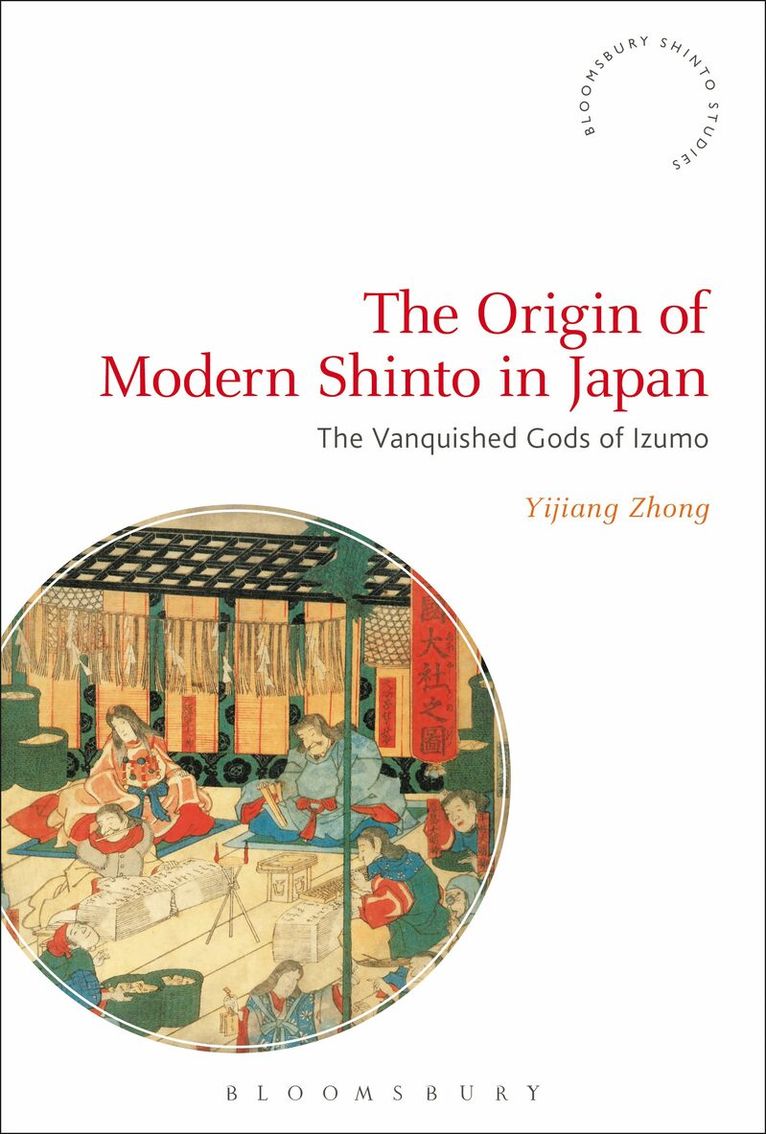
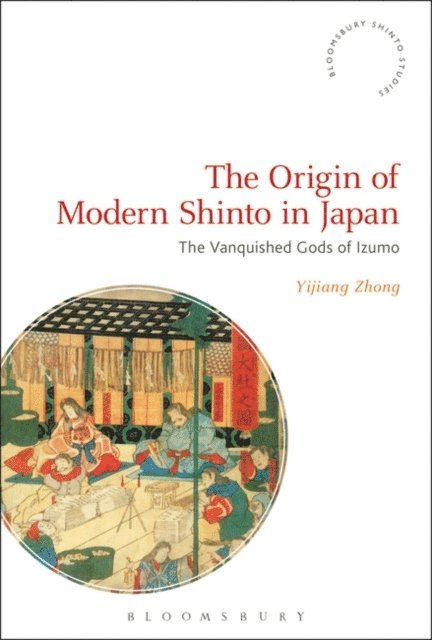
Yijiang Zhong analyses the formation of Shinto as a complex and diverse religious tradition in early modern and Meiji Japan, 1600-1868. Highlighting the role of the god Okuninushi and the mythology centered on the Izumo Shrine in western Japan as part of this process, he shows how and why this god came to be ignored in State Shinto in the modern period.In doing so, Zhong moves away from the traditional understanding of Shinto history as something completely internal to the nation of Japan, and instead situates the formation of Shinto within a larger geopolitical context involving intellectual and political developments in the East Asian region and the role of western colonial expansion.The Origin of Modern Shinto in Japan draws extensively on primary source materials in Japan, many of which were only made available to the public less than a decade ago and have not yet been studied. Source materials analysed include shrine records and object materials, contemporary written texts, official materials from the national and provincial levels, and a broad range of visual sources based on contemporary prints, drawings, photographs and material culture.
1 833 kr
Skickas inom 10-15 vardagar
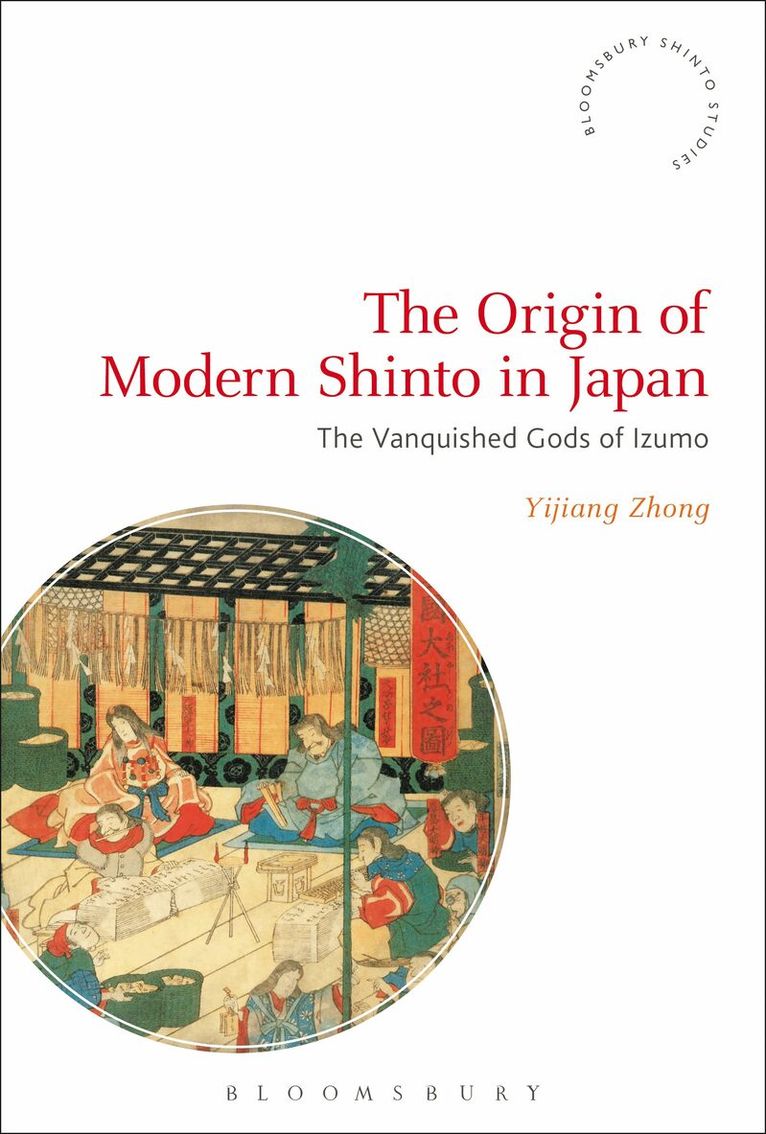
Yijiang Zhong analyses the formation of Shinto as a complex and diverse religious tradition in early modern and Meiji Japan, 1600-1868. Highlighting the role of the god Okuninushi and the mythology centered on the Izumo Shrine in western Japan as part of this process, he shows how and why this god came to be ignored in State Shinto in the modern period.In doing so, Zhong moves away from the traditional understanding of Shinto history as something completely internal to the nation of Japan, and instead situates the formation of Shinto within a larger geopolitical context involving intellectual and political developments in the East Asian region and the role of western colonial expansion.The Origin of Modern Shinto in Japan draws extensively on primary source materials in Japan, many of which were only made available to the public less than a decade ago and have not yet been studied. Source materials analysed include shrine records and object materials, contemporary written texts, official materials from the national and provincial levels, and a broad range of visual sources based on contemporary prints, drawings, photographs and material culture.