Yining Li – författare
Visar alla böcker från författaren Yining Li. Handla med fri frakt och snabb leverans.
22 produkter
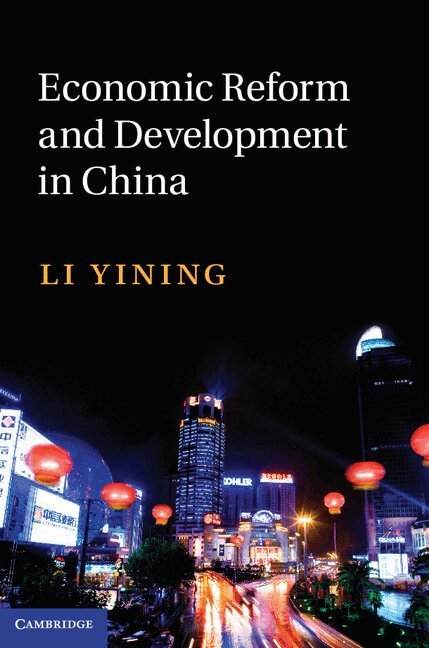
Economic Reform and Development in China
Av Yining Li
Inbunden, 2012
2096 kr
Lägg i varukorg
Known internationally as 'Mr Share Holding', the economist Li Yining has had a transformative impact on China's economic transition, most notably as an early advocate of ownership reforms in the state and other non-private sectors and in his promotion of shareholding theory, initiating the drive …
Economic Reform and Development in China
Av Yining Li
Häftad, 2012
342 kr
Lägg i varukorg
Known internationally as 'Mr Share Holding', the economist Li Yining has had a transformative impact on China's economic transition, most notably as an early advocate of ownership reforms in the state and other non-private sectors and in his promotion of shareholding theory, initiating the drive …
Chinese Economic Reform and Development
Peter Lang Updated New Edition (Translated by Ling Yuan)
Av Yining Li
Inbunden, 2019
1258 kr
Lägg i varukorg
Known as "Li the Shareholding Guru," economist Yining Li has had a significant impact on China’s economic transition, most notably as an early advocate of ownership reforms in the state and other non-private sectors and in his promotion of shareholding theory, initiating the drive towards a modern …
Chinese Economy in Disequilibrium
Av Yining Li
Inbunden, 2013
1131 kr
Lägg i varukorg
Known internationally as ‘Mr. Shareholding’ economist, Li Yining has had a transformative impact on China's economic transition, most notably as an early advocate of ownership reform and in his promotion of shareholding theory. By examining the interrelationship between the government, enterprises …
Chinese Economy in Disequilibrium
Av Yining Li
E-bok, 2013
1459 kr
Lägg i varukorg
Known internationally as ‘Mr. Shareholding’ economist, Li Yining has had a transformative impact on China''s economic transition, most notably as an early advocate of ownership reform and in his promotion of shareholding theory. By examining the interrelationship between the government, enterprises …
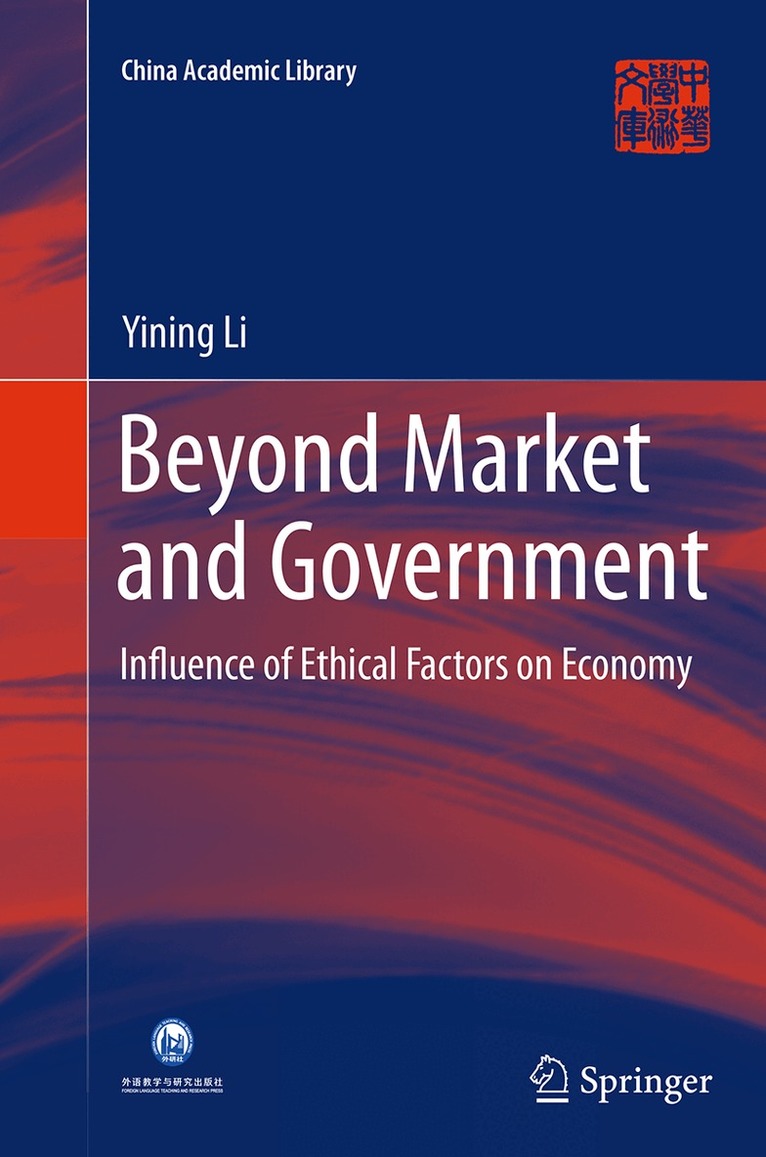
Beyond Market and Government
Influence of Ethical Factors on Economy
Av Yining Li
Inbunden, 2014
552 kr
Lägg i varukorg
This book explores how moral factors exert influence on economy from an economic and philosophical point of view. The book takes an in-depth look at topics such as efficiency and coordination, fairness and identification, law and self-discipline and the third distribution, which have long been the …
Beyond Market and Government
Influence of Ethical Factors on Economy
Av Yining Li
E-bok, 2014
734 kr
Lägg i varukorg
This book explores how moral factors exert influence on economy from an economic and philosophical point of view. The book takes an in-depth look at topics such as efficiency and coordination, fairness and identification, law and self-discipline and the third distribution, which have long been the …
Chinese Economy in Disequilibrium
Av Yining Li
Häftad, 2016
1098 kr
Lägg i varukorg
Known internationally as ‘Mr. Shareholding’ economist, Li Yining has had a transformative impact on China's economic transition, most notably as an early advocate of ownership reform and in his promotion of shareholding theory. By examining the interrelationship between the government, enterprises …
Beyond Market and Government
Influence of Ethical Factors on Economy
Av Yining Li
Häftad, 2016
552 kr
Lägg i varukorg
This book explores how moral factors exert influence on economy from an economic and philosophical point of view. The book takes an in-depth look at topics such as efficiency and coordination, fairness and identification, law and self-discipline and the third distribution, which have long been the …
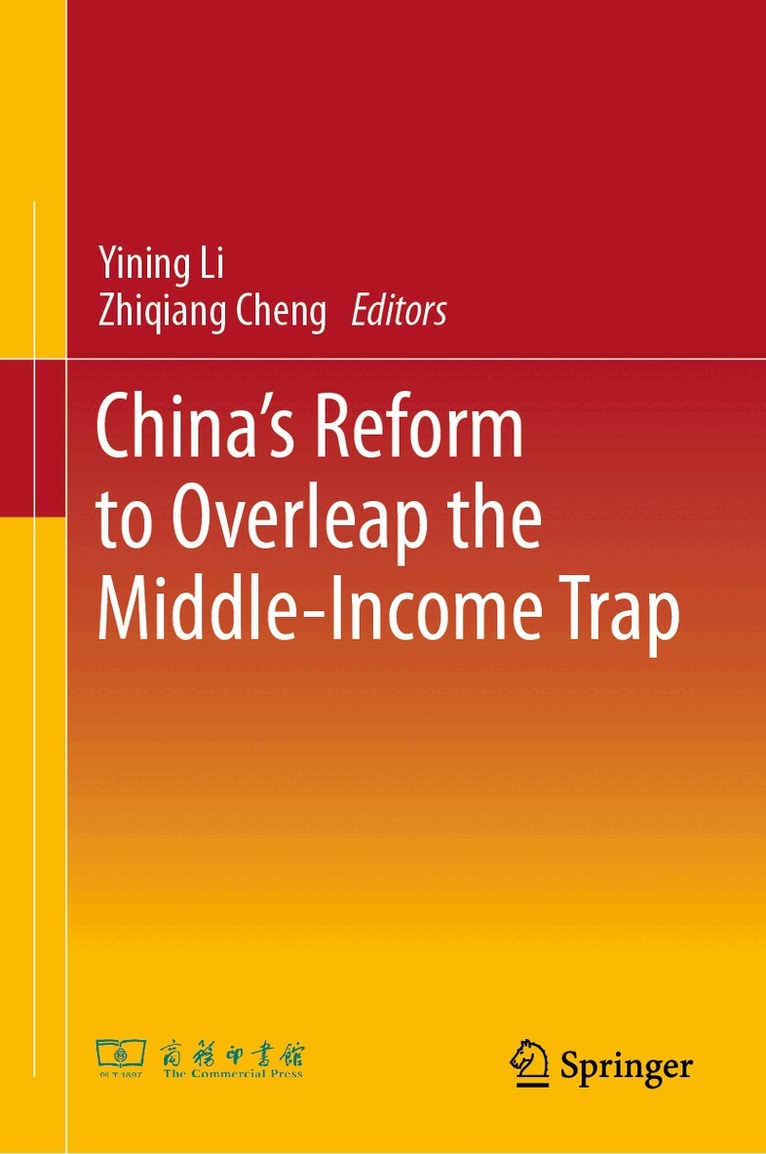
China’s Reform to Overleap the Middle-Income Trap
Inbunden, 2019
1131 kr
Lägg i varukorg
This book addresses how China could avoid the middle-income trap. Professor Li Yining proposed the framework and wrote the first article. Under Li’s guidance, other articles were written by researchers at the Guanghua School of Management, Peking University. It is well known that China's reform has …
China's Reform to Overleap the Middle-Income Trap
E-bok, 2019
1502 kr
Lägg i varukorg
This book addresses how China could avoid the middle-income trap. Professor Li Yining proposed the framework and wrote the first article. Under Li’s guidance, other articles were written by researchers at the Guanghua School of Management, Peking University. It is well known that China''s reform …
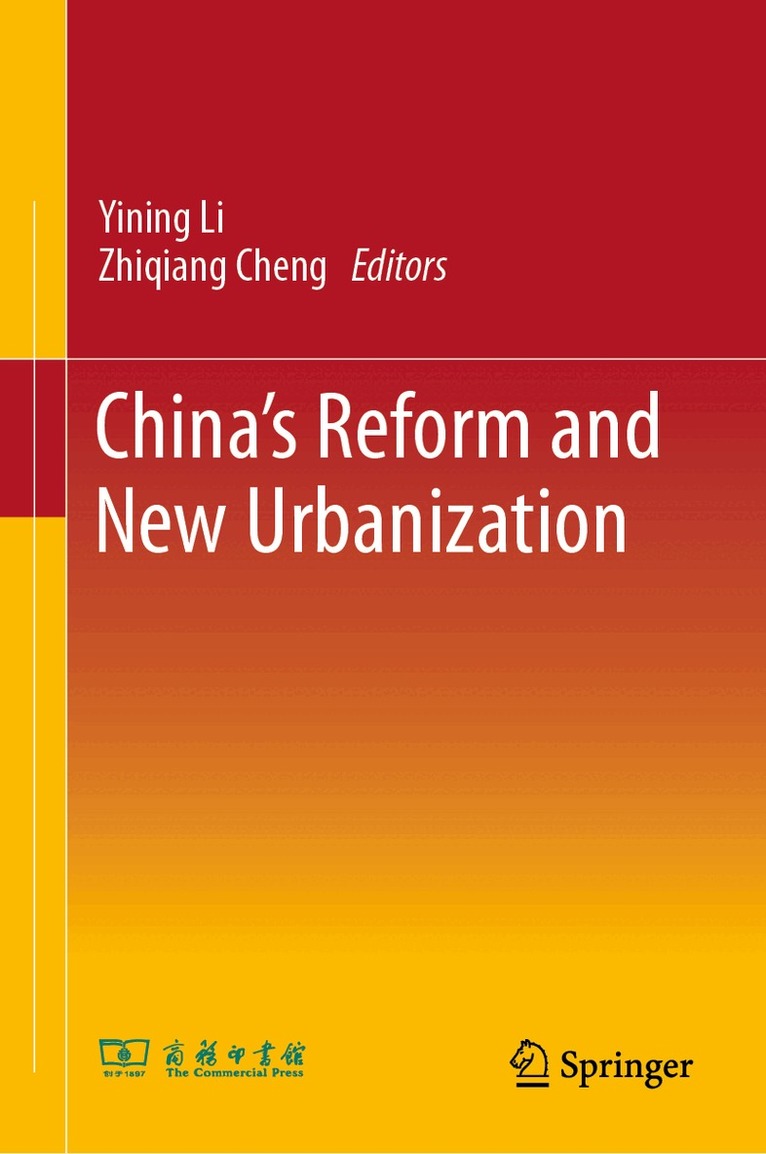
China’s Reform and New Urbanization
Inbunden, 2021
1805 kr
Lägg i varukorg
This book presents a study of China's new urbanization, which is one of the country’s major economic issues and embodies the characteristics of its economic development. Professor Yining Li proposed the framework and wrote the first article. Under Li's guidance, other articles were written by …
China's Reform and New Urbanization
E-bok, 2021
2341 kr
Lägg i varukorg
This book presents a study of China''s new urbanization, which is one of the country’s major economic issues and embodies the characteristics of its economic development. Professor Yining Li proposed the framework and wrote the first article. Under Li''s guidance, other articles were written by …
Chinese Path Toward a Leaner Government
Inbunden, 2023
1862 kr
Lägg i varukorg
This book focuses on the administration streamlining aligned with the market-oriented reform process in China. The book is divided into two parts. The first part clarifies why administration is necessary and important, what it covers, and how to deal with the relation between the central and the …
Chinese Path Toward a Leaner Government
E-bok, 2023
2437 kr
Lägg i varukorg
This book focuses on the administration streamlining aligned with the market-oriented reform process in China. The book is divided into two parts. The first part clarifies why administration is necessary and important, what it covers, and how to deal with the relation between the central and the …
Chinese Path Toward a Leaner Government
Häftad, 2024
1862 kr
Lägg i varukorg
This book focuses on the administration streamlining aligned with the market-oriented reform process in China. The book is divided into two parts. The first part clarifies why administration is necessary and important, what it covers, and how to deal with the relation between the central and the …
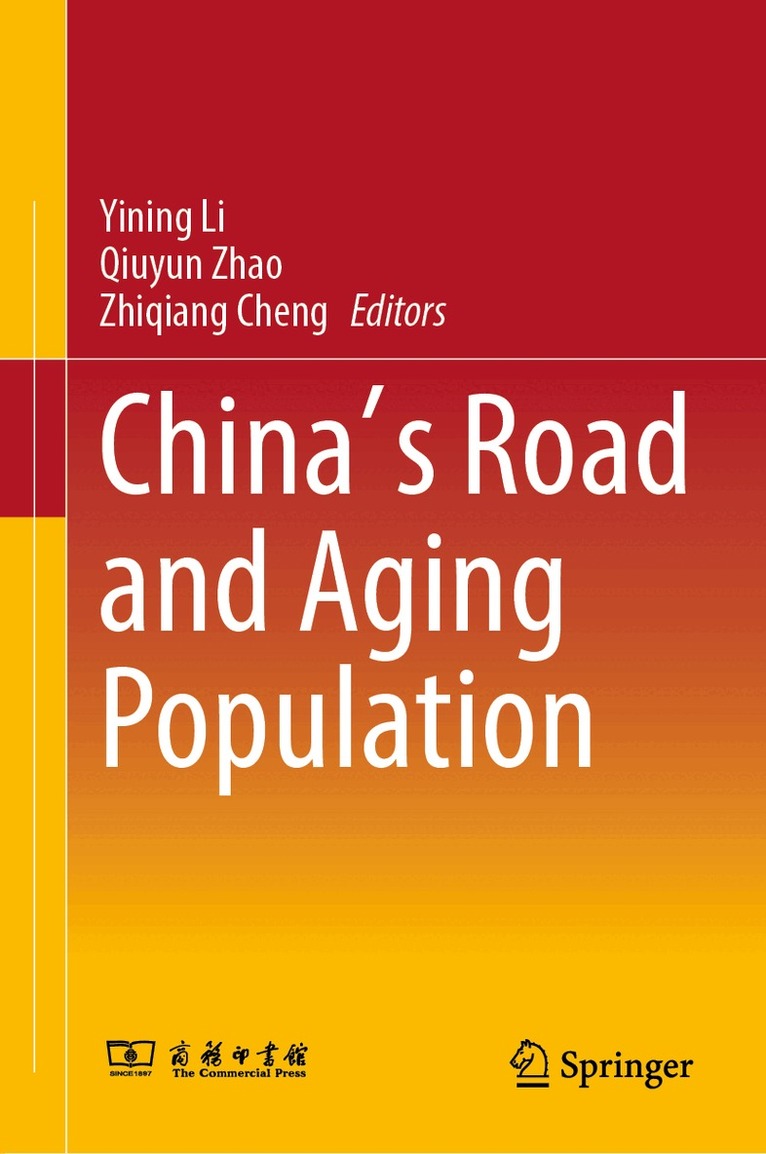
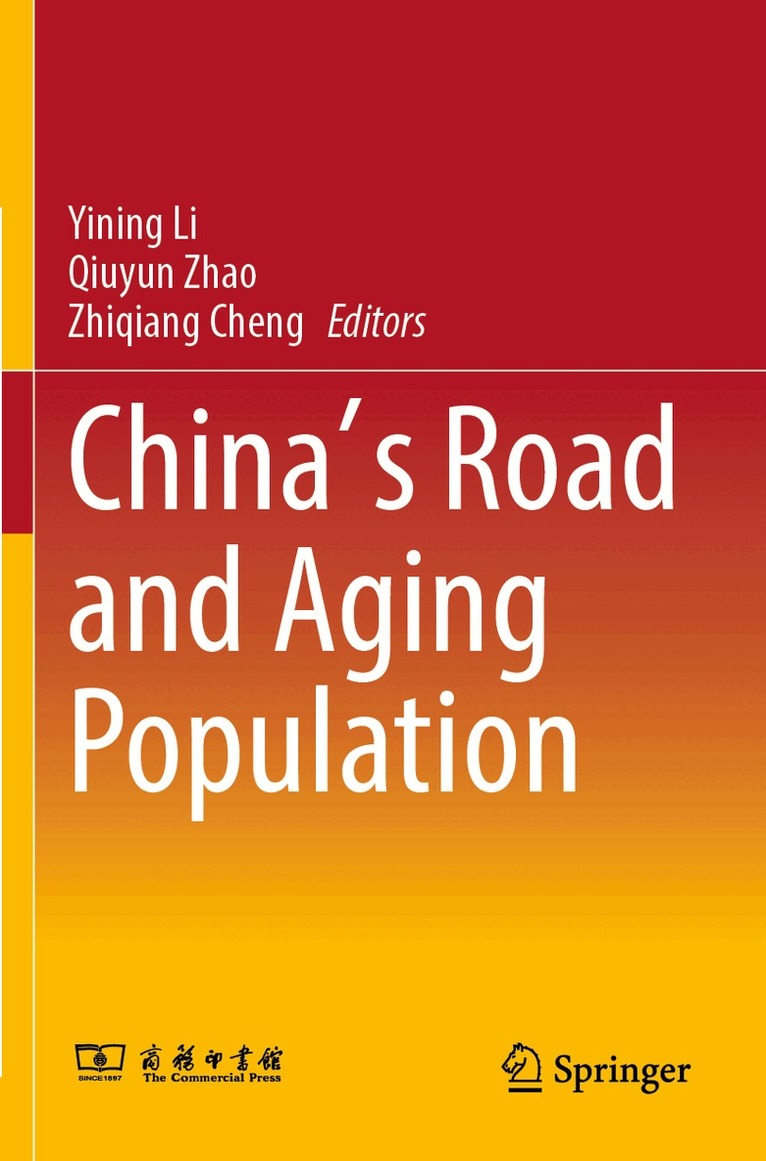
China's Road and Aging Population
Av Yining Li, Qiuyun Zhao m. fl.
Inbunden, 2023
1862 kr
Lägg i varukorg
In the context of global population aging , the aging population of China is not only a China-specific problem but also a global concern. Based on in-depth analysis, this book focuses on the increasingly serious issue of aging population of China at the present time, and explores the possible path …
China's Road and Aging Population
Av Zhiqiang Cheng, Qiuyun Zhao m. fl.
E-bok, 2023
2437 kr
Lägg i varukorg
In the context of global population aging , the aging population of China is not only a China-specific problem but also a global concern. Based on in-depth analysis, this book focuses on the increasingly serious issue of aging population of China at the present time, and explores the possible path …
China's Road and Aging Population
Av Yining Li, Qiuyun Zhao m. fl.
Häftad, 2024
1862 kr
Lägg i varukorg
In the context of global population aging , the aging population of China is not only a China-specific problem but also a global concern. Based on in-depth analysis, this book focuses on the increasingly serious issue of aging population of China at the present time, and explores the possible path …
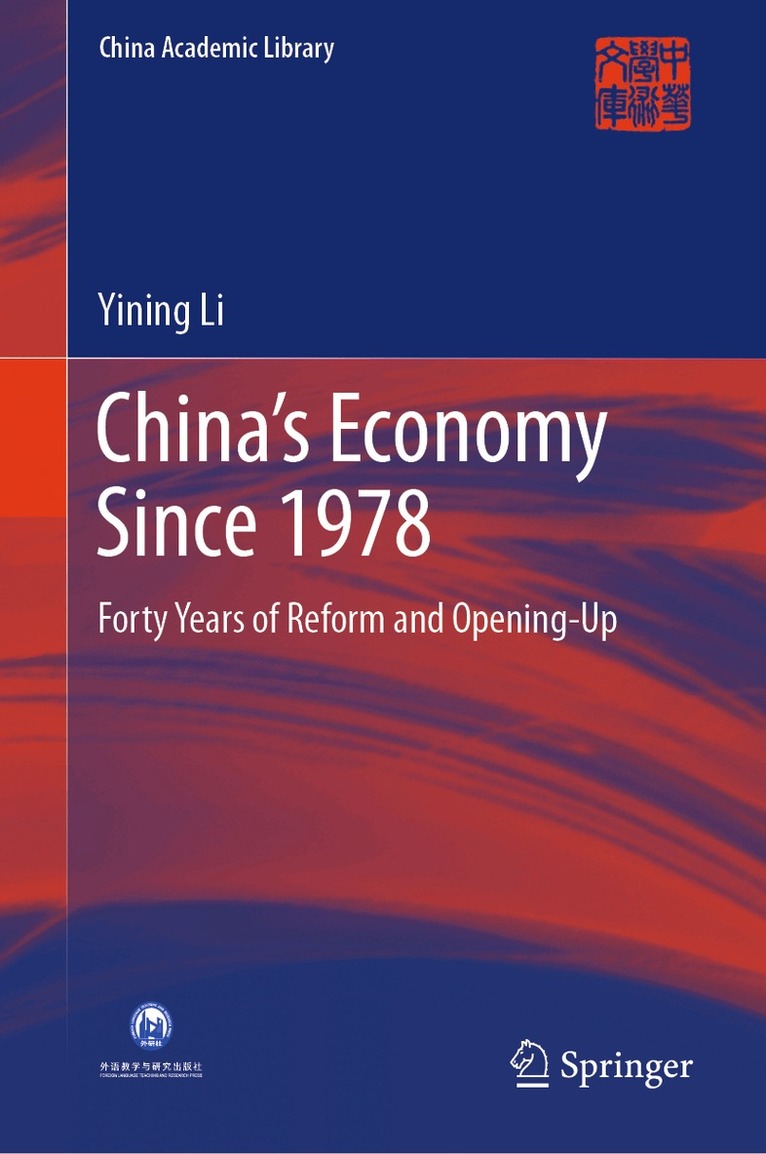
China’s Economy Since 1978
Forty Years of Reform and Opening-Up
Av Yining Li
Inbunden, 2026
1355 kr
Lägg i varukorg
Examined by Mr. Li Yining himself, the forty articles included in this book present a panorama of the forty years since China adopted the reform and opening-up policy. The issues range from the reform of the Chinese economic system to the challenges and chances encountered in this process, from …