YiXi LaMuCuo – författare
Visar alla böcker från författaren YiXi LaMuCuo. Handla med fri frakt och snabb leverans.
3 produkter
3 produkter
Inbunden, Engelska, 2026
2 312 kr
Kommande
LaMuCuo explores the experiences of different individuals with language socialization, language acquisition, language shift and loss, and education in a variety of multilingual contexts in Tibetan areas of China. Through investigating the experiences of these individuals, the book illustrates how the development of multilingualism at a macro level has impacted individuals’ daily lives in school and home within cultural contexts.The book documents the diversity of multilingual experiences of Tibetan individuals in real life within various Tibetan areas, covering the topics of language loss and shift, learning L1 as the second language, the experiences of Tibetan nomadic children leaning Chinese in the course of textbook reform in Tibetan nomadic areas, and the power of trilingual education for women living in a particular village. This book contributes significantly to our understanding of language education and identity in the field of multilingualism. Through presenting nine case studies of individual multilingual experiences, it demonstrates that individuals have experienced multilingualism fundamentally differently in various Tibetan areas because of social cultural and economic disparities, thus illustrating the complexity of multilingualism as reflected in their lives.The focus on diversity of Tibetan individuals’ multilingualism will be of significant interest to postgraduate students and researchers whose studies are relevant to multilingual communities across the world.
Del 34 - Multilingual Education
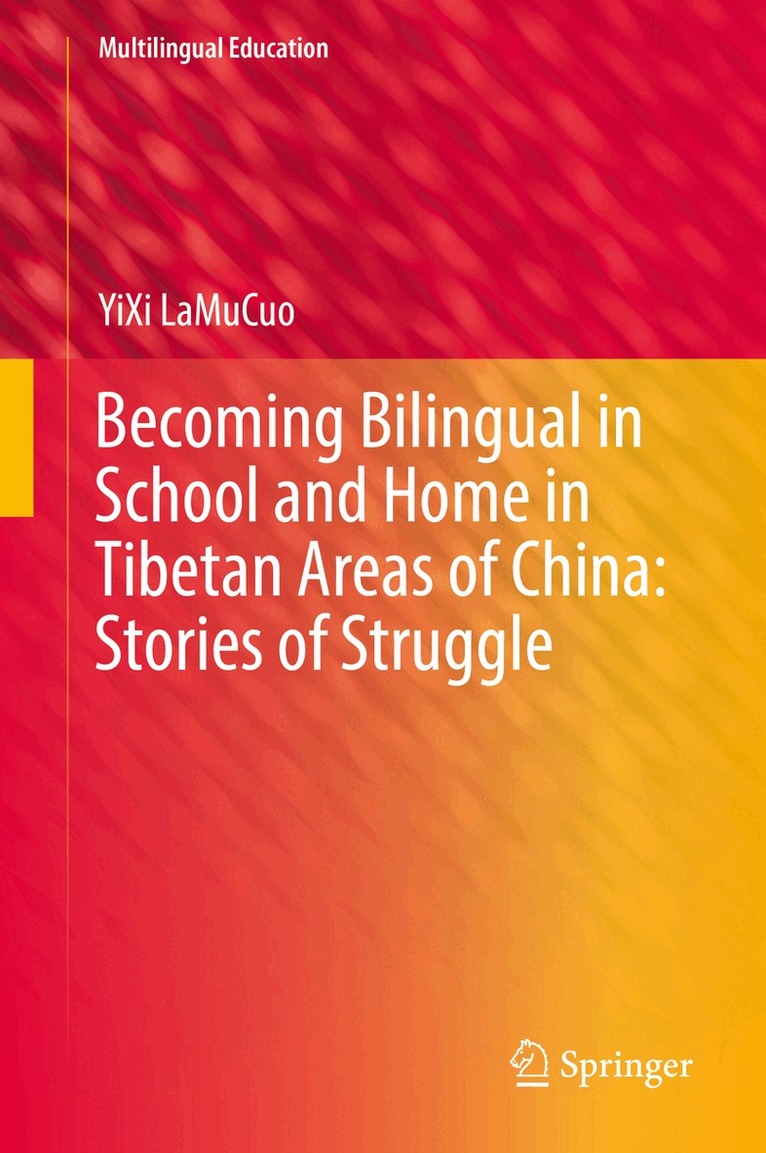
Becoming Bilingual in School and Home in Tibetan Areas of China: Stories of Struggle
Inbunden, Engelska, 2019
1 042 kr
Skickas inom 10-15 vardagar
This book contributes significantly to our understanding of bilingualism and bilingual education as a sociocultural and political process by offering analyses of the stories of five Tibetan individual journeys of becoming bilingual in the Tibetan areas of China at four different points in time from 1950 to the present.The data presented comprises the narrative of their bilingual encounters, including their experiences of using language in their families, in village, and in school. Opportunities to develop bilingualism were intimately linked with historical and political events in the wider layers of experiences, which reveal the complexity of bilingualism. Moreover, their experiences of developing bilingualism are the stories of struggle to become bilingual. They struggle because they want to keep two languages in their lives. It illustrates their relationship with society. They are Tibetans. L1 is not the official language of their country, but it is the tie with theirethnicity. It addresses bilingualism linked with the formation of identity.The unique feature of this book is that it offers a deep understanding of bilingualism and bilingual education by examining the stories of five individuals’ learning experiences over a period of almost 60 years.
Del 34 - Multilingual Education
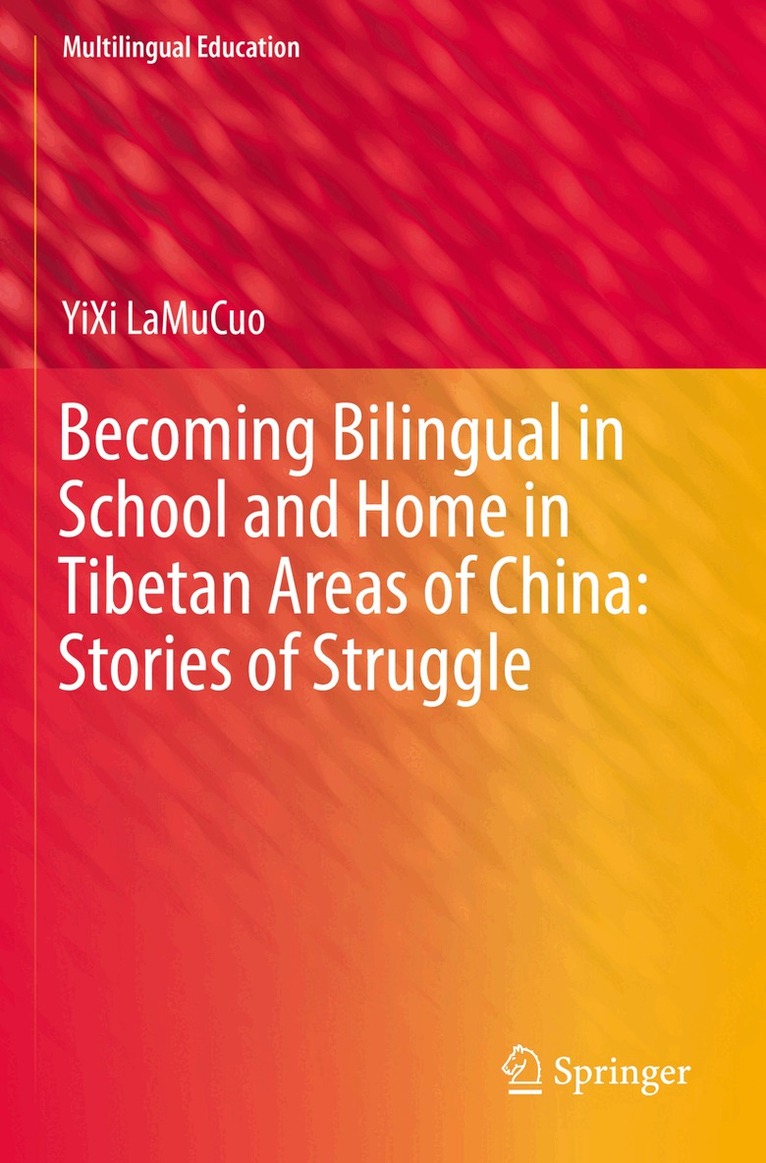
Becoming Bilingual in School and Home in Tibetan Areas of China: Stories of Struggle
Häftad, Engelska, 2020
1 042 kr
Skickas inom 10-15 vardagar
This book contributes significantly to our understanding of bilingualism and bilingual education as a sociocultural and political process by offering analyses of the stories of five Tibetan individual journeys of becoming bilingual in the Tibetan areas of China at four different points in time from 1950 to the present.The data presented comprises the narrative of their bilingual encounters, including their experiences of using language in their families, in village, and in school. Opportunities to develop bilingualism were intimately linked with historical and political events in the wider layers of experiences, which reveal the complexity of bilingualism. Moreover, their experiences of developing bilingualism are the stories of struggle to become bilingual. They struggle because they want to keep two languages in their lives. It illustrates their relationship with society. They are Tibetans. L1 is not the official language of their country, but it is the tie with theirethnicity. It addresses bilingualism linked with the formation of identity.The unique feature of this book is that it offers a deep understanding of bilingualism and bilingual education by examining the stories of five individuals’ learning experiences over a period of almost 60 years.