Yolanda Pic� – författare
Visar alla böcker från författaren Yolanda Pic�. Handla med fri frakt och snabb leverans.
2 produkter
2 produkter
3 227 kr
Skickas inom 5-8 vardagar
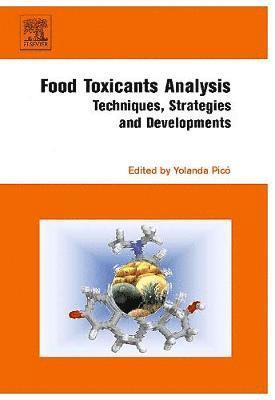
Food Toxicants Analysis covers different aspects from the field of analytical food toxicology including emerging analytical techniques and applications to detect food allergens, genetically modified organisms, and novel ingredients (including those of functional foods). Focus will be on natural toxins in food plants and animals, cancer modulating substances, microbial toxins in foods (algal, fungal, and bacterial) and all groups of contaminants (i.e., pesticides), persistent organic pollutants, metals, packaging materials, hormones and animal drug residues. The first section describes the current status of the regulatory framework, including the key principles of the EU food law, food safety, and the main mechanisms of enforcement. The second section addresses validation and quality assurance in food toxicants analysis and comprises a general discussion on the use of risk analysis in establishing priorities, the selection and quality control of available analytical techniques. The third section addresses new issues in food toxicant analysis including food allergens and genetically modified organisms (GMOs). The fourth section covers the analysis of organic food toxicants.* step-by-step guide to the use of food analysis techniques* eighteen chapters covering emerging fields in food toxicants analysis* assesses the latest techniques in the field of inorganic analysis
Del 51 - Comprehensive Analytical Chemistry
Food Contaminants and Residue Analysis
Inbunden, Engelska, 2008
2 857 kr
Skickas inom 7-10 vardagar
Food Contaminants and Residue Analysis treats different aspects of the analysis of contaminants and residues in food and highlights some current concerns facing this field. The content is initiated by an overview on food safety, the objectives and importance of determining contaminants and residues in food, and the problems and challenges associated to these analyses. This is followed by full details of relevant EU and USA regulations. Topics, such as conventional chromatographic methods, accommodating cleanup, and preparing substances for further instrumental analysis, are encompassed with new analytical techniques that have been developed, significantly, over the past few years, like solid phase microextraction, liquid chromatography-mass spectrometry, immunoassays, and biosensors. A wide range of toxic contaminants and residues, from pesticides to mycotoxins or dioxins are examined, including polychlorinated biphenyls, polycyclic aromatic hydrocarbons, N-nitrosamines, heterocyclic amines, acrylamide, semicarbazide, phthalates and food packing migrating substances. This book can be a practical resource that offers ideas on how to choose the most effective techniques for determining these compounds as well as on how to solve problems or to provide relevant information. Logically structured and with numerous examples, Food Contaminants and Residue Analysis will be valuable a reference and training guide for postgraduate students, as well as a practical tool for a wide range of experts: biologists, biochemists, microbiologists, food chemists, toxicologists, chemists, agronomists, hygienists, and everybody who needs to use the analytical techniques for evaluating food safety.