Yosef Garfinkel – författare
Visar alla böcker från författaren Yosef Garfinkel. Handla med fri frakt och snabb leverans.
7 produkter
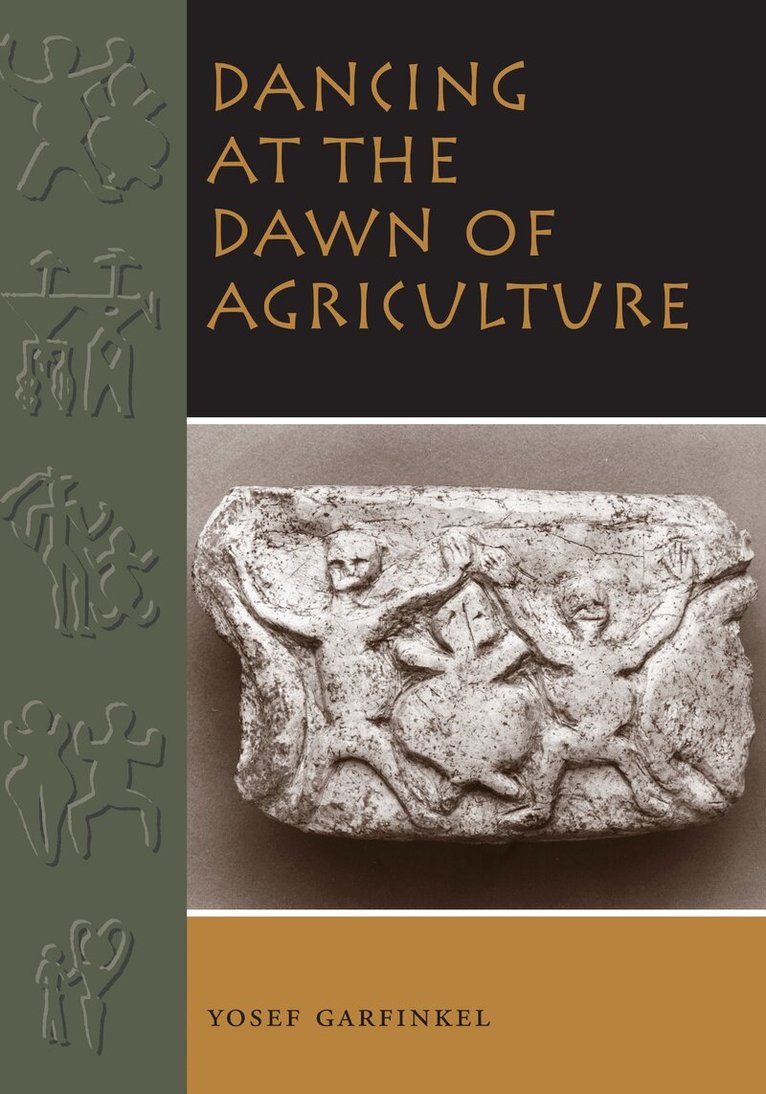
Dancing at the Dawn of Agriculture
Häftad, 2003
516 kr
Lägg i varukorg
As the nomadic hunters and gatherers of the ancient Near East turned to agriculture for their livelihood and settled into villages, religious ceremonies involving dancing became their primary means for bonding individuals into communities and households into villages. So important was dance that …
Middle Bronze Age IIA Cemetery at Gesher
Final Report, AASOR 62
Av Yosef Garfinkel, Susan Cohen
Inbunden, 2008
335 kr
Lägg i varukorg
Includes 164 b/w figures and 18 tables. Gesher is a small Middle Bronze Age IIA cemetery site located in the central Jordan Valley in Israel. Initial excavations in 1986-1987 indicated the site's importance for examining population and settlement in the interior of Canaan in the early second …
Tel Miqne 9/1 and 9/3B (2-vol. set)
The Iron Age I Early Philistine City
Av Trude Dothan, Yosef Garfinkel m. fl.
Inbunden, 2016
3287 kr
Lägg i varukorg
Tel Miqne-Ekron Field IV Lower—The Elite Zone, The Iron Age I and IIC, The Early and Late Philistine Cities, Parts 9/1-9/3B present the evidence of two large Philistines cites, one in Iron I, the period of its initial development, and the other in Iron IIC, its final stage when it achieved its …
Tel Miqne 9/2
The Iron Age IIC: Late Philistine City
Av Seymour (Sy) Gitin, Trude Dothan m. fl.
Inbunden, 2017
1771 kr
Lägg i varukorg
This well-illustrated volume presents the evidence from Stratum Pre-IC of the end of the 8th century, from Strata IC and IB of the 7th century, when Ekron achieved the zenith of its physical growth and prosperity, and from Stratum IA, the final Iron Age IIC phase of the early 6th century BCE. It …
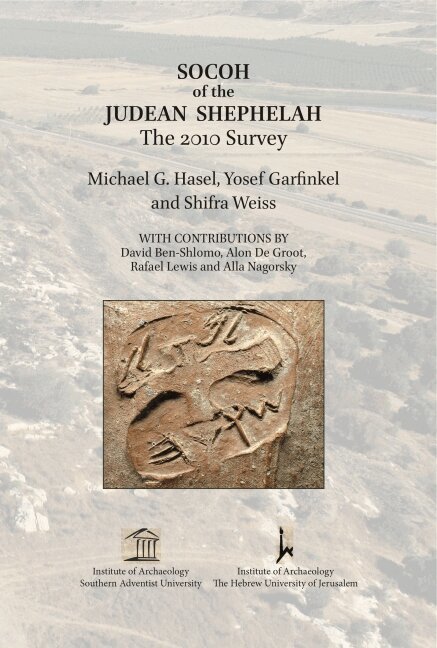
Socoh of the Judean Shephelah
The 2010 Survey
Av Michael G. Hasel, Yosef Garfinkel m. fl.
Inbunden, 2017
761 kr
Tillfälligt slut
This is the first monograph dedicated to the site of Socoh in the Judean Shephelah. Our research was initiated in 2010 as an intensive survey by the Institute of Archaeology, Southern Adventist University, and the Institute of Archaeology, The Hebrew University of Jerusalem. The study incorporates …