Yoshiaki Nishikawa – författare
Visar alla böcker från författaren Yoshiaki Nishikawa. Handla med fri frakt och snabb leverans.
3 produkter
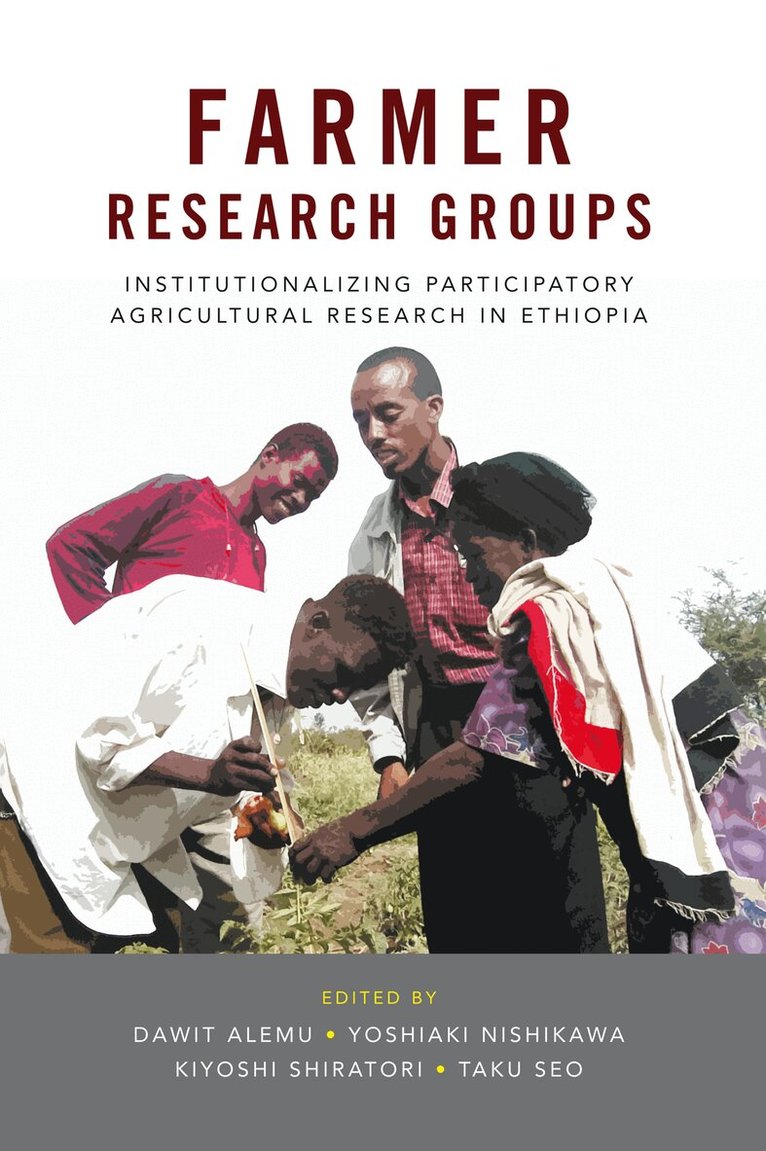
Farmer Research Groups
Institutionalizing participatory agricultural research in Ethiopia
Av Dawit Alemu, Yoshiaki Nishikawa m. fl.
Inbunden, 2016
694 kr
Lägg i varukorg
Farmer Research Groups reviews the history of participatory agricultural research, particularly in Ethiopia. It introduces cases of research conducted by FRGs in Ethiopia – both successful and less successful – and describes how issues of research quality, technology dissemination, effectiveness …
Seeds for Diversity and Inclusion
Agroecology and Endogenous Development
Av Yoshiaki Nishikawa, Michel Pimbert
Inbunden, 2022
606 kr
Lägg i varukorg
This open access book will contribute to a more nuanced debate around seed system resilience that goes beyond the dominant dichotomous conceptualization of seed governance often characterized as traditional vs modern, subsistence vs commercial, or local vs global. While reflecting on the expanding …
Farmer Research Groups
Institutionalizing participatory agricultural research in Ethiopia
Av Dawit Alemu, Yoshiaki Nishikawa m. fl.
Häftad, 2016
297 kr
Tillfälligt slut